





While the number of cyclosporiasis cases in Ohio has been declining for the past few weeks, health officials are urging Ohioans to continue to "take precautions" against the parasite that can cause explosive diarrhea.
Ohio had 503 new cyclosporiasis cases as of the Ohio Department of Health's most recent update on Aug. 13. That's a drop from 962 new cases the previous week, Aug. 6, and 1,437 new cases in the July 30 update.
"The Ohio Department of Health (ODH) is encouraged by the continued decrease in new reports of cyclosporiasis. However, it is important to consider the historical context of reports; prior to this outbreak, Ohio in recent years reported an average of about 70 cases of cyclosporiasis annually, so over 500 new cases in a week
continues to be well above baseline," ODH said in an Aug. 14 statement.
Health officials say Ohioans should 'take precautions' against cyclospora parasite
ODH says Ohioans should continue to "take precautions" against the cyclospora parasite, such as:
- Washing their hands with soap and water before and after preparing raw fruits and vegetables.
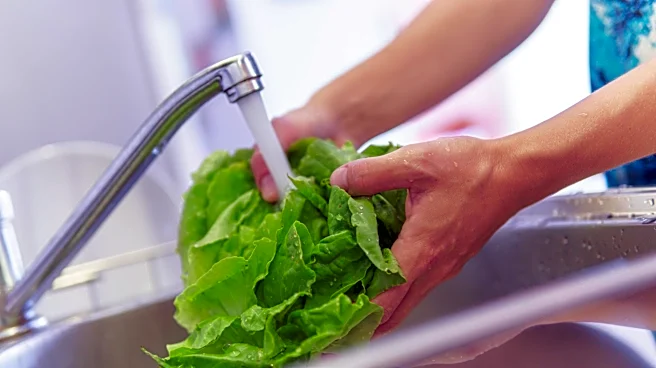
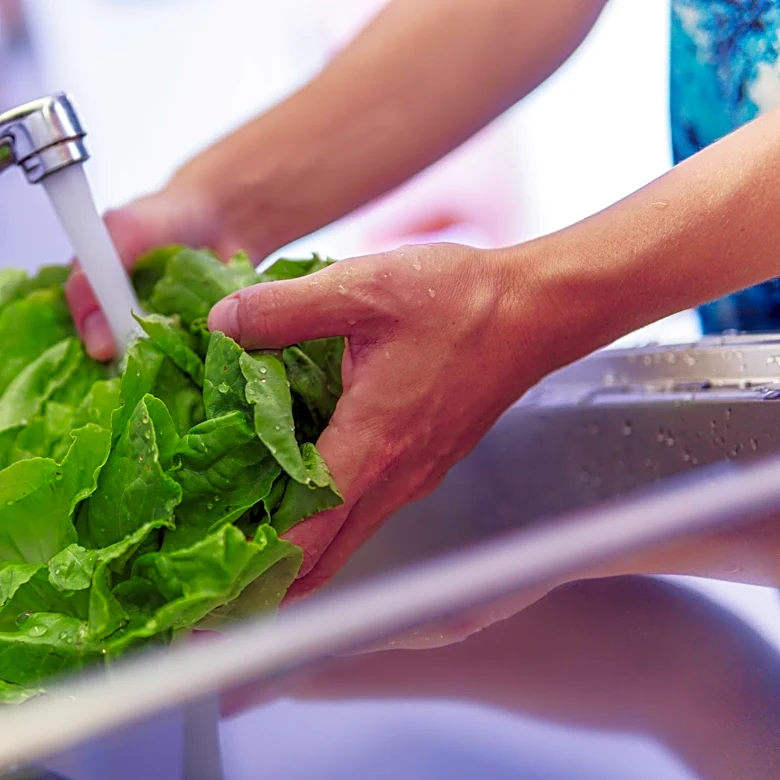
- Washing fruits and vegetables thoroughly under running water and scrubbing firm fruits and vegetables, like melons, with a produce brush.
- Eating or refrigerating cut, peeled or cooked fruits and vegetables promptly.
"ODH also encourages individuals who have been sick and are contacted by public health officials to take part in interviews, as they provide crucial data that can help public health investigators find commonalities among people who have gotten sick."
How do I know if I have cyclosporiasis? Symptoms, testing
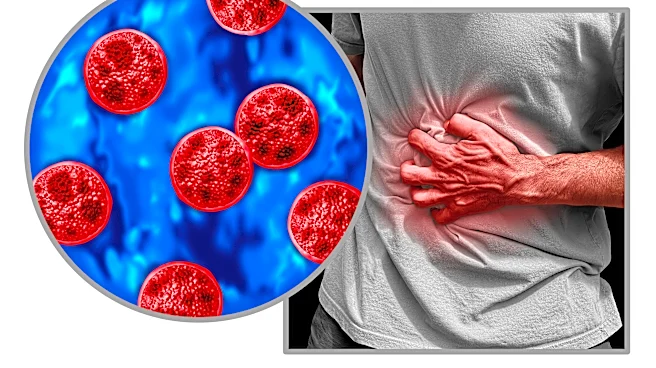
Symptoms of cyclosporiasis may include:
- Explosive, watery diarrhea (most common)
- Loss of appetite
- Weight loss
- Cramping
- Bloating
- Increased gas
- Nausea
- Fatigue
Less common symptoms may include:
- Vomiting
- Body aches
- Headache
- Low-grade fever
- Other flu-like symptoms
Symptoms begin about a week after being infected and can last anywhere from a few days to a month or longer without treatment. Some symptoms, such as diarrhea, may go away and then return.
The illness is diagnosed by testing stool samples, according to the CDC.
Cyclosporiasis prevention. How to protect yourself
The CDC says the best way to prevent cyclosporiasis is to avoid food or water that may be contaminated with feces.
And to help do that, the agency recommends safe food-handling practices when dealing with produce, including:
- Wash hands with soap and water before and after handling or preparing raw fruits and vegetables.
- Wash all fruits and vegetables thoroughly under running water before eating, cutting or cooking.
- Scrub firm fruits and vegetables, such as melons and cucumbers, with a clean produce brush.
- Cut away any damaged or bruised areas on fruits and vegetables before preparing and eating.
- Refrigerate cut, peeled or cooked fruits and vegetables as soon as possible (within two hours).
This article originally appeared on USA TODAY: Ohio health officials still urge 'precautions' as new cyclospora cases drop