







Whether or not hunting drove the development of language beyond grunts, yells and screams remains a question to which a final answer the experts might never settle.
Coordinated cooperation among primitives whose lives depended on a successful hunt seems a likely foundation for a need to communicate. Spoken instruction hastily given usually beats shrieks and hand gestures when in the midst of do-or-die risk.
That would be the case in spades when a hunting party armed with spears and clubs face big game, a prize providing more sustenance than a squirrel, salamander or locust. Big game would stave off hunger for some time while opportunely increasing the interval before the next perilous showdown with an edible beast.
The use of detailed language
in the planning stage of ambush might’ve offered advantage. Anyway, it would surely signify progress over waging a free-for-all fight to the death after a chance encounter with a massive, tusky beast able to stomp threats into pulp.
Language, though this is but a guess, might not have been as indispensable to a terrified group’s flight response as the same tribe in fight mode.
A simple scream without further instruction might do nicely as a signal to get out of Dodge at the approach of a saber-toothed tiger drawn to the evening encampment by the scent of mammoth chops.
Mammoths and such morsels are long gone, as are saber-toothed tigers.

Yet, however it was, this is how it be in today’s age of endless advertising, the apparent endgame of human locution: talk, talk and more talk about peddled products, some of which would make Daniel Boone chuckle.
Hunters, as everyone else, cannot not hear the hustlers’ monetized pitch. As a rule, hunters begin in September to work through the commercial noise to take long walks or sits in the woods hoping for satisfactory results using better equipment than Misters Boone or Tecumseh could ever dream up.
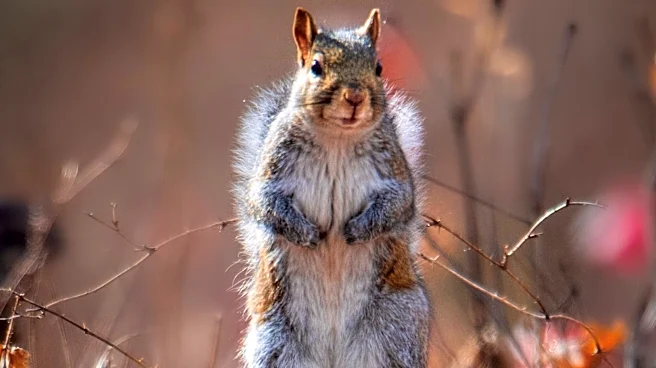
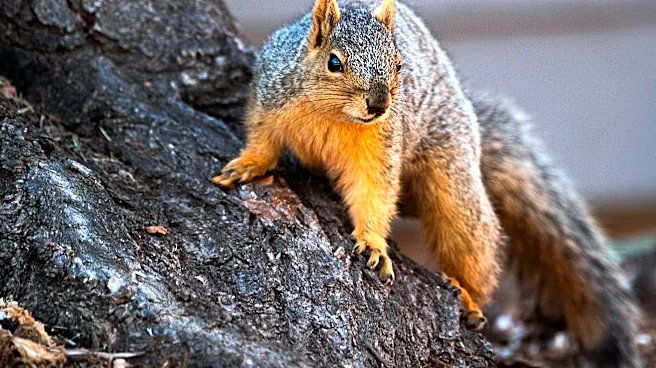
Truly, squirrels remain available as of yore, though how many bushytails get felled and eaten by sharpshooters probably doesn’t equal the number that get flattened by passing vehicles and scarfed down by carrion feeders.
Those with a taste for waylaying squirrels may legally take six each day from Sept. 1 through Jan. 31. Hours are 30 minutes before sunrise to sunset.
Red, gray, black and fox squirrels may be bagged.
Birds garnish the September plate of hungry hunters.
Mourning doves and their kin, invasive Eurasian collared doves, may be hunted statewide in split seasons, the first Sept. 1 through Nov. 8 and the second Dec. 12 through Jan. 1. The daily limit is 15.
Three species of marsh birds can be taken legally beginning Sept. 1. The seasons for rails and gallinules, aka moorhens, runs though Nov. 9. The limit of rails is 25 each day, for gallinules 15 daily.
The season for Willson’s snipe, a third denizen of the marsh, runs split. The part of the season that begins Sept. 1 continues through Nov. 25, while part two begins Dec. 12 and continues through Jan. 1. The daily limit is eight.
Among the waterfowl that migrate first are blue-winged teal. Consequently, an early teal season takes place Sept. 5 through Sept. 13. The daily limit is six.
Canada and cackling geese also may be hunted statewide from Sept. 5 through Sept. 13 with a daily limit of five. Hours are sunrise to sunset.
Those who hunt waterfowl and migratory birds must adhere to federal and state requirements. Check the Ohio Division of Wildlife’s booklet, Hunting and Trapping Regulations 2026-27, to ensure compliance.
outdoors@dispatch.com
This article originally appeared on The Columbus Dispatch: With September comes the opening of hunting seasons in Ohio