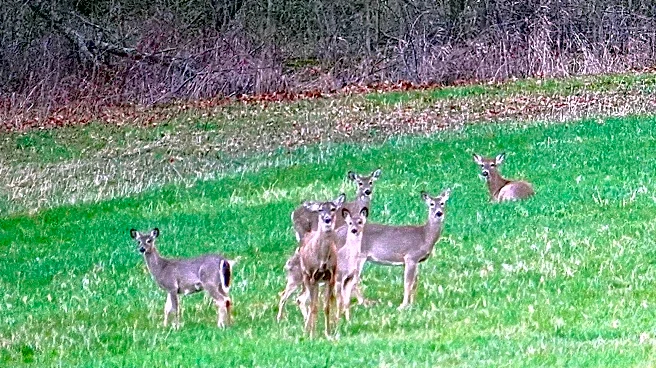







Hunters in Ohio seem destined to encounter droves of deer during the statewide archery season that opens Sept. 26 and runs through Feb. 7. Based on recent trends in hunter success, the same applies to the more abbreviated gun seasons of November, December and January.
The hunter success rate reached an “unprecedented” 50% during the 2025-26 season, notes the Ohio Division of Wildlife in its Annual Summary of Ohio’s Deer Program. Simply put, half of permit buyers took at least one deer, the summary states.
The success rate has been creeping up in recent years. While that's a boon for active deer hunters, it hasn't apparently led to increases in participation.
Numbers provide some smoking evidence.
About 281,400 individuals bought at least one deer
permit during the 2025-26 season, a 22% decline from 2011, the summary points out.
THE GREAT OUTDOORS: More on Ohio hunting and fishing
Diminishing access to hunting land is thought to have discouraged a significant percent of potential hunters who are short the money to pay for leases required for access. A fortunate few can afford to purchase property on which they can hunt exclusively when they choose.
Also in play are social factors.
Deer hunting was revived in Ohio at about the time when Baby Boomers could relish the experience of gun week, which included deer camps and associated camaraderie. The quest to take a deer frequently took hunters a couple hundred miles from home, and there were no cell phones to check in or to be checked on.

The advent and popularity of crossbows and the consequent diminishment of gun hunting have helped alter the deer hunting landscape.
Because gun hunting so often included group hunts, permit holders tended to be less selective about what they killed. It’s still the case that a far higher percentage of non-antlered deer are taken during gun season than outside of it.
Last year’s buck harvest of 99,008 was the second largest in Ohio’s history, surpassed only during the season before when 100,766 bucks were checked, the division reports.
At least one reason for the historically big buck numbers is that much of the bow hunting is done solo. Trail cams further shape results when hunters wait out the appearance of a special deer whose existence was revealed by an image caught through a lens.
FOR BETTER SEARCHES: Prefer The Dispatch on Google
Trail cams and one-person silos inside of which hunting’s social dependencies are diminished or non-existent can be viewed as causes for how deer hunting has been transformed. Such innovations, however, also grew from the effects of regulatory policy meant to keep people buying licenses and permits.
The purchases are what pays the bills, keeping the wildlife division not only viable but nominally independent from political influence that would increase should the legislature get involved in footing the bill.
The influence of advertising and programing visuals can be deer management unfriendly as well. The media meme encourages the killing of bucks. Nevertheless, deer numbers are much more shaped by how significantly the population of does can be reduced annually by hunting.
Indications including a 50% success rate and a record two-year buck harvest both at least hint that perhaps Ohio’s whitetail population is pushing into areas of concern.
A shrinking number of hunters might eventually be unable to check herd growth, particularly if hunters chase bucks while growing increasingly indifferent, even reluctant, in seeking out does.
Successful management requires hunters to make choices in the best interests of the resource and themselves.
This article originally appeared on The Columbus Dispatch: Ohio faces deer management test as hunter numbers decline