



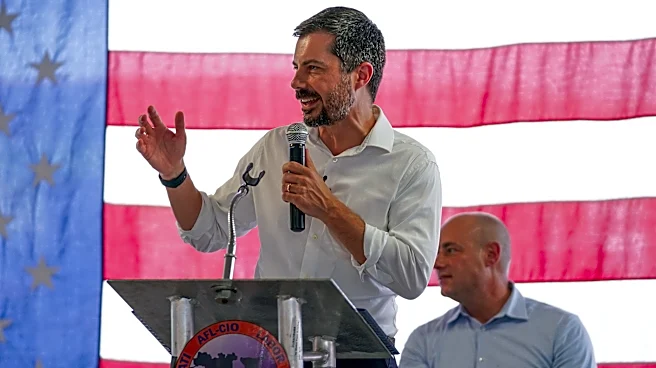
Ron Kincaidwas a candidate for the Democratic nomination for U.S. Senate in Ohio in 2026.
Politicians certainly expect negative feedback during events, but in recent years jeers have increasingly given way to physical threats or actual violence.
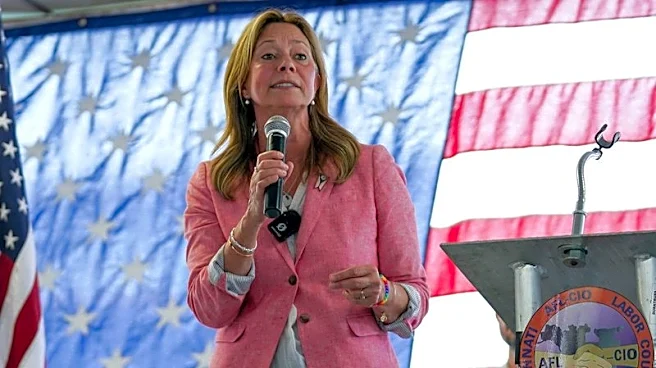
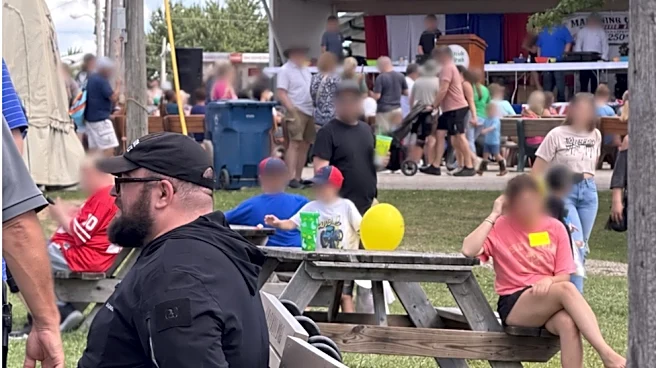
The Sept. 6 incident in which an armed man, Patrick Havas,allegedly forced his way through a crowd toward Amy Acton while she was speaking at the Canfield Fair highlights the disturbing trend of violence and threats at political events.
While campaigning across Ohio for the U.S. Senate earlier this year, I witnessed two less serious but still troubling incidents.

Politcal violence is now far too common
The 2011 shooting of U.S. Rep. Gabby Giffords, which killed six people and seriously wounded Giffords, seemed like a shocking aberration, but now
political violence is no longer an isolated incident.
In 2025, Minnesota state Rep. Melissa Hortman and her husbandwere murdered, while state Sen. John Hoffman and his wife were shot and seriously wounded.
Conservative activist Charlie Kirk was assassinatedin Utah. Pennsylvania Gov. Josh Shapiro and his family escaped an arson attack on the governor’s residence. And here in Ohio, Ronald Lidderdale of New Albanypleaded guilty in Aprilto charges that he sent 92 threats to Ohio Gov. Mike and more than 30 public officials.
The targets span the political spectrum. The problem is not one party. The problem is political violence.
It’s time for this to stop and, if Havas is convicted, the consequences must be serious. Our judicial system cannot treat threats or violence at political events as just another form of political expression.
What I witnessed with my own eyes
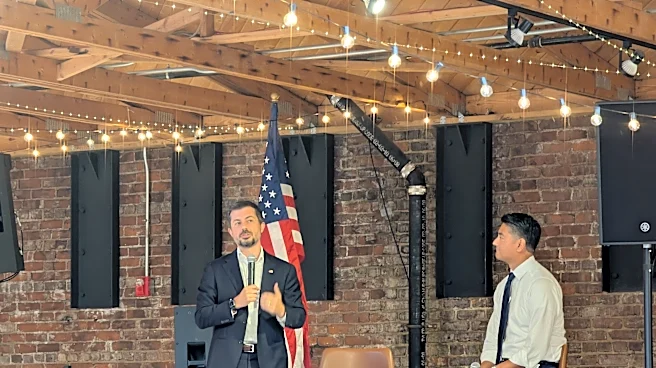
At a Belmont County District Library, I participated in a candidate forum that included Democrats, Republicans, Libertarians, and independents. The desired outcome was a spirited – but civil – conversation about issues affecting the area.
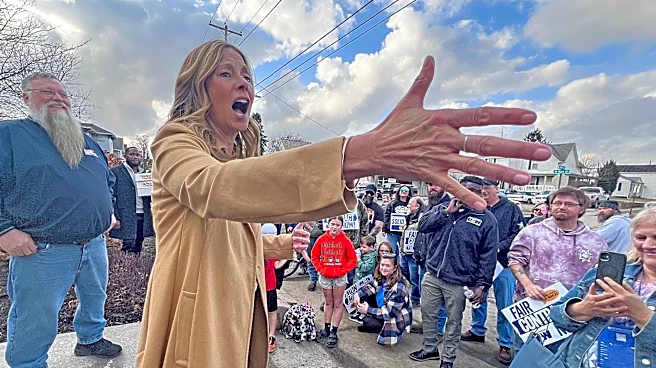
Instead, I witnessed a woman verbally attack U.S. Rep.Mike Rulli, R-Salem, until a member of my campaign staff intervened to escort her outside. A different woman threatened to hit Rulli in the head and held her bicycle helmet up in a threatening manner.
My staff person also persuaded her to go outside. The event had no planned security – and I would not have expected any – but fortunately my staff person had years of experience in personal security. His ability to talk the two people outside, requiring no physical contact, eliminated the immediate threat.
But the room did not calm down. The inflammatory attitude became contagious, and what had been a debate – emotional, yes, but controlled – became a license to shout at candidates.
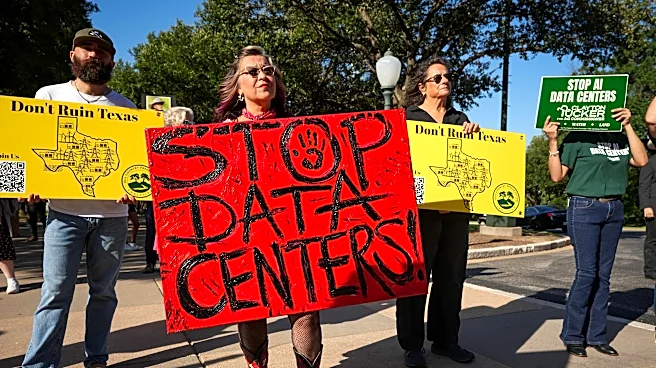
In Licking County, I listened to a candidate for the U.S. House say of data center executives, “As far as I’m concerned, take these people, line them up against the firing squad wall and make an example of them.”
I was so stunned that I thought I had misheard him. I later watched a recording of the event and confirmed what I had heard.
Candidates should feel safe
Democracy requires personal interactions between candidates, elected officials, and the voting public. I heard numerous complaints during my campaign about politicians never showing up in their districts for town hall meetings.
Yet if candidates cannot feel safe, they will avoid in-person events.
Likewise, a person with serious concerns about Medicaid cuts needs to feel safe questioning an elected official or candidate. That is best done in town hall fashion, but these incidents will deter candidates and the public from attending.
If you cannot control your behavior at a political event, stay home and scream at the television. Political affiliation is irrelevant.
Threats and violence are unacceptable regardless of who commits them or who is targeted. Candidates and audience participants must feel safe to engage in respectful conversation – disagreements yes; even passionate disagreements.
But civil discourse ends when threats begin. Offenders must face serious and certain consequences. There are no excuses for threatening a candidate or elected official.
The other side of this coin is the conduct of candidates and elected officials themselves. Calling for people to be lined up against a firing squad wall isn't spirited political rhetoric. It normalizes the language of political violence.
Elected officials and candidates must stop using inflammatory rhetoric that emboldens supporters and opponents. Our political discussions are rife with ‘whataboutisms’ where one side points to the extreme misdeeds of the other. Sadly, there are plenty of examples among all parties.
Democracy requires people to be willing to show up.
Threats don't merely endanger candidates and officeholders; they intimidate ordinary citizens out of participating. And political leaders have a special responsibility not to create an atmosphere in which intimidation becomes normal.
Stop.
 Ron Kincaid was a candidate for the Democratic nomination for U.S. Senate in Ohio in 2026. He is a retired software designer and longtime advocate for Ohioans with developmental disabilities." id="91653399007">
Ron Kincaidwas a candidate for the Democratic nomination for U.S. Senate in Ohio in 2026. He is a retired software designer and longtime advocate for Ohioans with developmental disabilities.
This article originally appeared on The Columbus Dispatch: Alleged attack on Amy Acton not isolated. I saw jarring acts while campaigning | Opinion