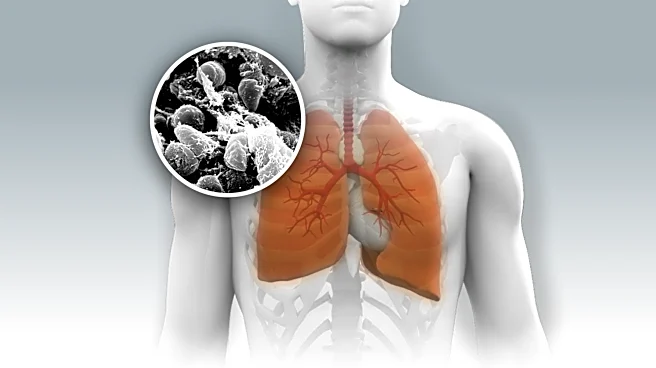










A highly contagious sexually transmitted diarrhea disease is becoming harder to treat as drug-resistant strains spread, health officials warn.
Considered a public health threat
by the Centers for Disease Control and Prevention, shigellosis causes an estimated 450,000 infections in the U.S. each year, according to USA TODAY. It can be spread through fecal‑oral transmission, sexual contact, and contaminated food or water.Ohio has reported hundreds of shigellosis cases this year alone. Symptoms can include diarrhea, stomach pain and fever. Some cases cause bloody diarrhea. Here's what to know about the infection, and whether Ohio is a hotspot.
Shigella infections responsible for sexually transmitted diarrhea disease
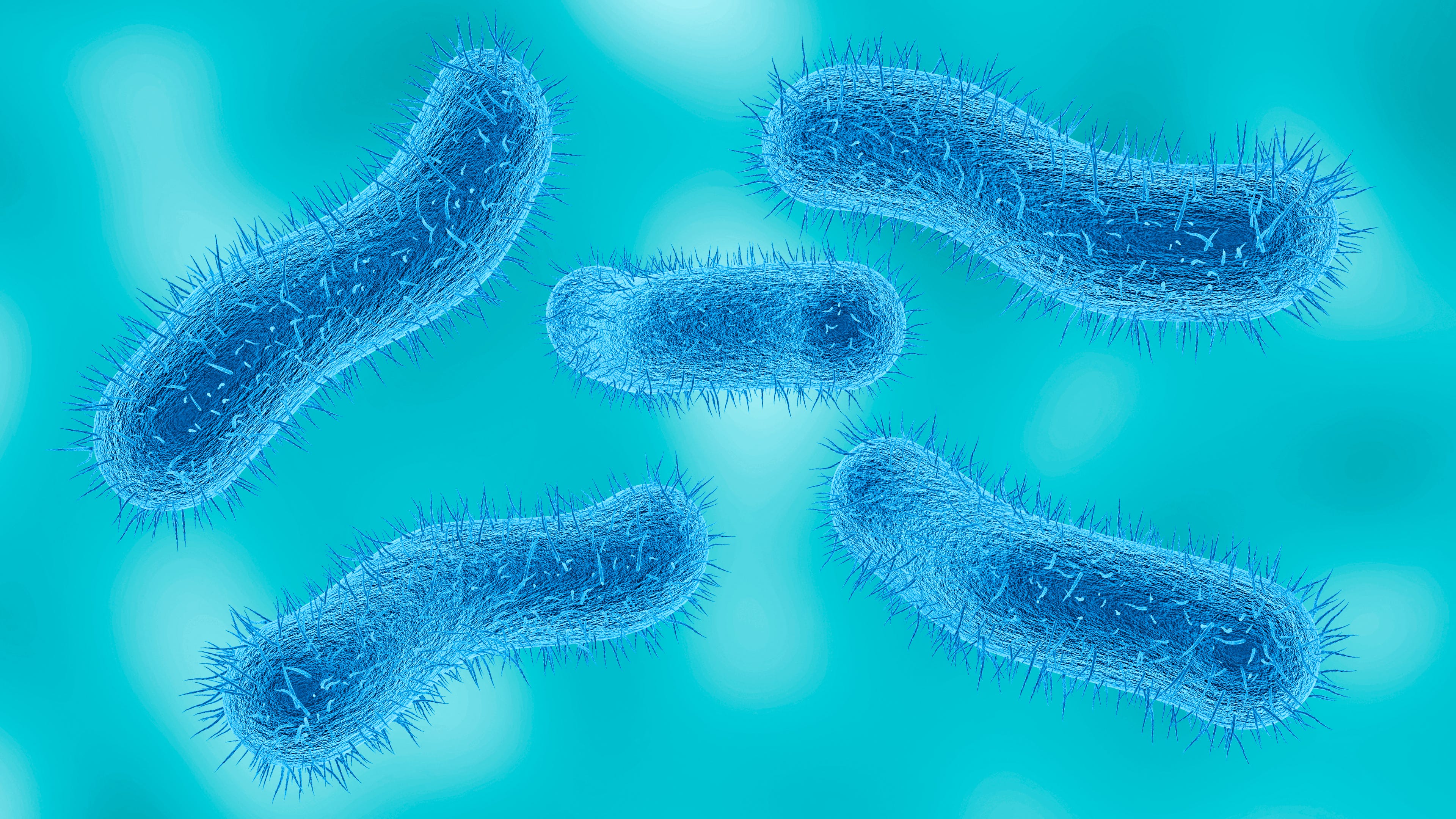
Shigella is a bacteria that causes shigellosis, an illness that can trigger diarrhea, fever and stomach
cramps, per the CDC.
According to the Ohio Department of Health, the illness can also cause nausea and a persistent urge to have a bowel movement. Some people have no symptoms.
How many shigellosis cases has Ohio reported?
Ohio has reported 360 shigellosis cases this year as of Oct. 8, according to the Ohio Department of Health's disease dashboard. Franklin County leads the state with 118 cases, followed by Cuyahoga (43), Summit (27) and Hamilton (20).
Ten cases have been reported so far in October.
Ohio recorded 395 cases of shigellosis in 2025.
How common is shigellosis?
Historically in the U.S., shigellosis primarily affected children, but the data from 2016 to 2023 in the latest report showed cases were predominantly non-Hispanic White men, USA TODAY reports. The same is true in Ohio, where more than 68% of the 2026 cases are among males, and nearly 57% have occurred in white men and women.
Anyone can get shigellosis, but young children are especially vulnerable, according to the CDC. Outbreaks often occur in child care settings and schools.
The agency adds that travelers, people experiencing homelessness, and gay and bisexual men are also at increased risk.
People with shigellosis often recover in five to seven days without antibiotics. The CDC recommends drinking plenty of fluids to avoid dehydration.
How to help prevent the spread of shigellosis, sexually transmitted diarrhea disease
The CDC suggests several steps to avoid getting or spreading shigella, including:
- Wash your hands properly.
- Avoid swallowing water while swimming.
- Follow safe food and water habits when traveling.
- If you or your partner is diagnosed with shigellosis, do not have sex for at least two weeks after symptoms end.
Why are health officials concerned about shigellosis spread?
An April CDC report found that drug-resistant Shigella is on the rise. Extensively drug-resistant strains made up 8.5% of samples in 2023, up from 0% in 2011.
In 2023, the CDC issued a health advisory warning about the XDR (extensively drug-resistant) strain, saying it's a growing threat because it resists commonly-used oral antibiotics.
"Strengthened surveillance, timely reporting and targeted prevention strategies are needed to limit transmission of XDR Shigella strains," the report noted.
"It's hard to put the genie back in the bottle," Dr. Aaron Glatt, an epidemiologist and chief of infectious diseases at Mount Sinai South Nassau in New York, told USA TODAY at the time. "We are going to be seeing strains here that are resistant to the commonly used treatments."
While most people recover within a week, health officials say the growing number of drug-resistant infections is a reminder to wash your hands, stay home when sick and seek medical care if symptoms become severe.
This article originally appeared on The Columbus Dispatch: Hundreds in Ohio sickened by sexually transmitted diarrhea disease