
What exactly is a business and consumer issues reporter?
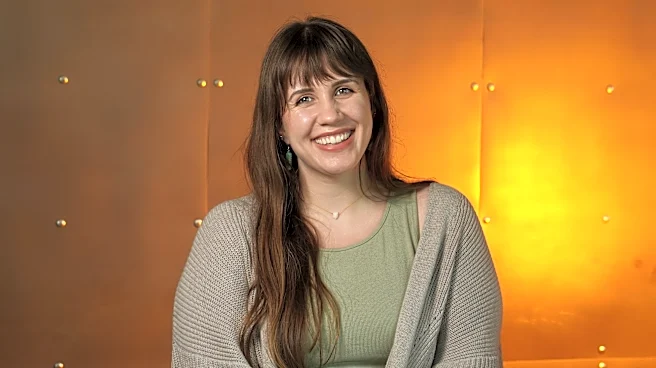
I took on this newly crafted beat for our newsroom a year ago. I had started at The Dispatch in April 2024 as a health care and medical business
reporter, but as our world shifted, so did audience needs. So, I've spent 2026 building a beat focused on "consumer issues," issues that directly impact the every day individual.
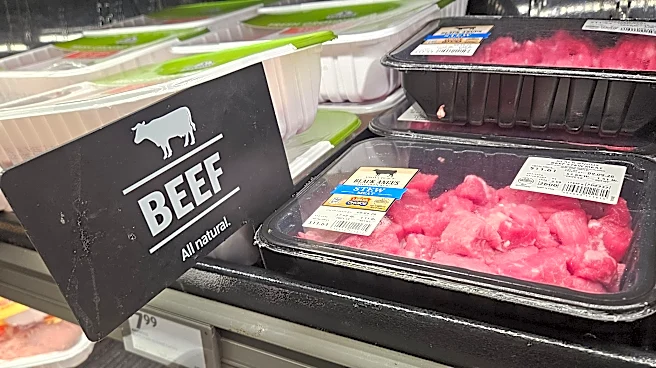
That still includes health care, as costs continue to rise and central Ohio has been pummeled by illness and severe weather. It also means looking at energy and utilities, like how data centers impact your electric bill and who the key players in that dollar number are. And if we're talking about consumer issues, groceries and their spiking prices are top of mind for any Ohioan.
I've learned so much in this first year, and I'm looking forward to the next.

What you've seen from me lately
While I'm not covering health exclusively these days, that doesn't mean it's not keeping me busy.
The Department of Justice droppeditslawsuit against central Ohio health care goliath OhioHealth after accusing the company of having too much market power in the region. It was a saga that had me learning antitrust law on the fly with the help of people much smarter than me in that field.
I hope you're aware, but not too intimately familiar with, cyclosporiasis, the gut-churning illness that's swept the United States and still has no determined source. Was it my favorite thing to write so much about? No. Did I need to? Yes, because the food you buy, eat and could get sick from is a consumer issue.
Speaking of food you buy, earlier this summer, I broke down Kroger's new digital price tag implementation. Spoiler alert: The tags do not scan your eyeballs to determine how much you'll pay for eggs.

While it published last year, the work my colleagues Max Filby and Danae King and I did about radon, an invisible gas linked to lung cancer and other health issues, continues into to have impact into 2026. Most notably, legislation is at work in the Ohio House of Representatives requiring radon testing in schools and for home sales.
The project has either won or been a finalist for multiple awards both across the state and country. But truly, the best thing is that if just one person tests for radon and they take steps reduce cancer risk, the nearly a year of work was worth it.
What I'm working on, and what I'd ask of you
Over the last couple of months, I've talked to central Ohio experts about artificial intelligence and how they see it impacting our every day lives. Often, conversations around AI feel esoteric and inaccessible. I wanted to try to find answers to how this technology will actually change our day-to-day.
I'll be honest, I wasn't expecting to enjoy the project as much as I did. But nearly every interview went over an hour as I spoke with some of the regions best and brightest on the future of AI in the workforce, education and health care. I'm so excited for you to read it when it publishes later this month.
If you read my last edition of beat notes, I view journalism as a team sport. That doesn't just mean projects with my fellow journalists, but also with my readers. For example, this fall, I'm hoping to do a deep dive on how the rising price of, well, everything is impacting how people date, or if they date at all. I'd love to hear from you!
I'm always open to story ideas from those reading my work, and I hope you'll use my inbox to let me know what our community cares about in this ever-changing world we're braving.
Business and consumer issues reporter Samantha Hendrickson can be reached at shendrickson@dispatch.com
This article originally appeared on The Columbus Dispatch: Samantha Hendrickson covers costs, health and food for Columbus Dispatch