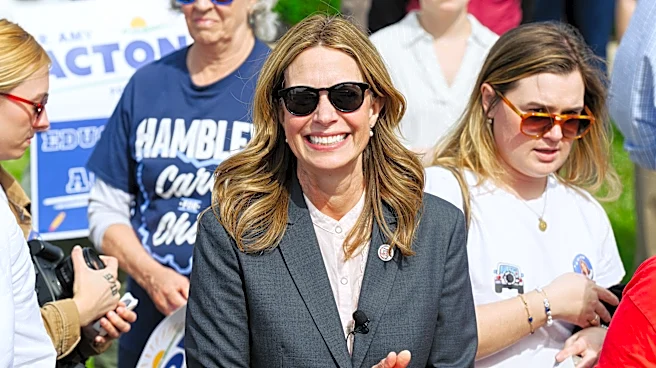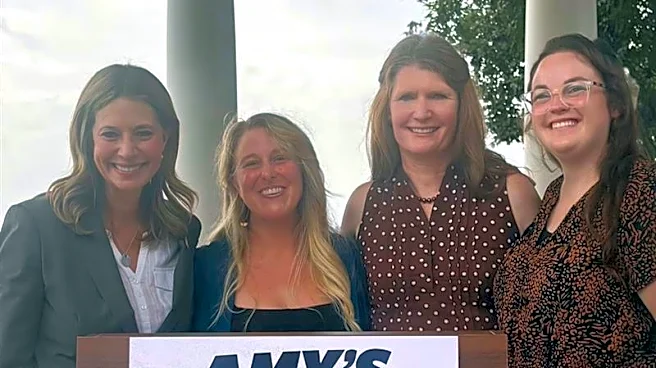

Ohio gubernatorial candidate Amy Acton is backing a temporary pause on issuing permits for wastewater injections wells that have become a subject of debate in southeastern Ohio.
Acton said in prepared statement
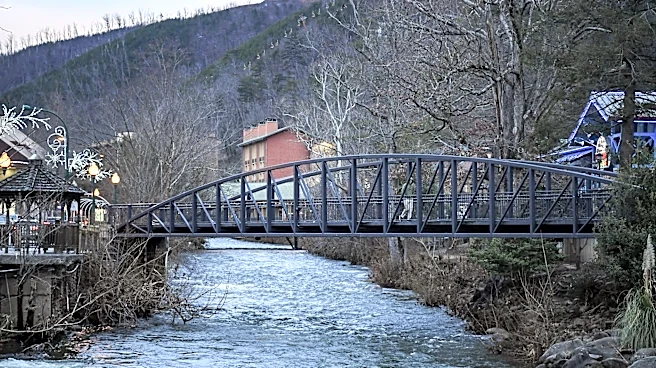
that injection wells in Washington County along the Ohio River are leaking fracking wastewater while damaging businesses and flooding conventional gas and oil wells. Acton made a campaign stop Sept. 17 in the southeastern Ohio county.
The injection wells pose "a serious threat to the safety and quality of life of Washington County residents," she said.
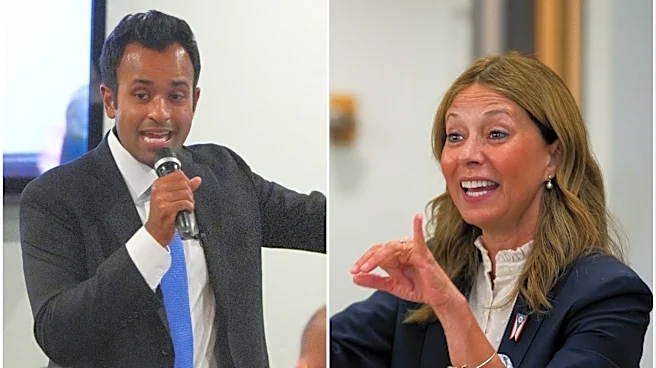
"That is why I support imposing a three-year moratorium on issuing additional permits for the drilling of wastewater injection wells and on the further injection of fracking wastewater in Washington County while the state conducts a thorough investigation on the impacts of wastewater migration," said Acton, a Democrat. "Ohioans deserve reliable heat, clean water, and to feel safe and secure in their community."
A campaign spokesperson for Vivek Ramaswamy, Acton's Republican opponent, called on Acton to bring the issue to the debate stage.
[Ramaswamy] "believes that we should address this issue on the debate stage, yet Amy Acton refuses to show up because she knows her position is hollow and can't withstand scrutiny," Ramaswamy spokesperson Evan Machan said.

Acton's concerns echoed those raised by Washington County residents who spoke with The Dispatch in August about Class II injection wells in Marietta, the county seat. Residents and activists said they fear radioactive wastewater from fracking could migrate into the city's aquifer and contaminate the water supply. Evidence of fracking wastewater migration has already been seen in Athens and Noble counties.
Washington County has absorbed the most fracking waste out of all of Ohio's 88 counties, according to data from the Ohio Department of Natural Resources. More than 3 billion gallons of fracking waste has been injected underground there since 2010, representing almost 16% of the statewide total.
The state of Ohio also has more than 200 Class II injection wells throughout the state. Much of the fracking waste is brought in through trucks from neighboring Pennsylvania and West Virginia.

"The help we are asking for boils down to one simple rule: do not allow oilfield waste injection near public drinking water aquifers," said Marietta City Council President Susan Vessels, who has been vocally opposed to having injection wells placed near city aquifers.
"This is not an anti-energy position," Vessels told The Dispatch. "It is a pro-drinking water position, and it should be easy for any Ohio leader to support."
Reporter Shahid Meighan can be reached at smeighan@dispatch.com, at ShahidMeighan on X, and at shahidthereporter.dispatch.com on Bluesky.
This article originally appeared on The Columbus Dispatch: Amy Acton backs pause on new permits for wells storing fracking waste