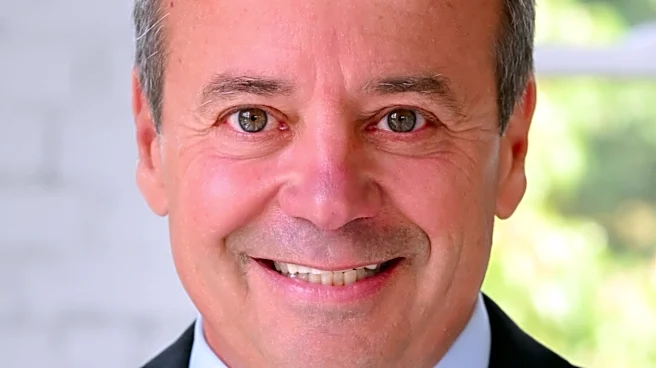

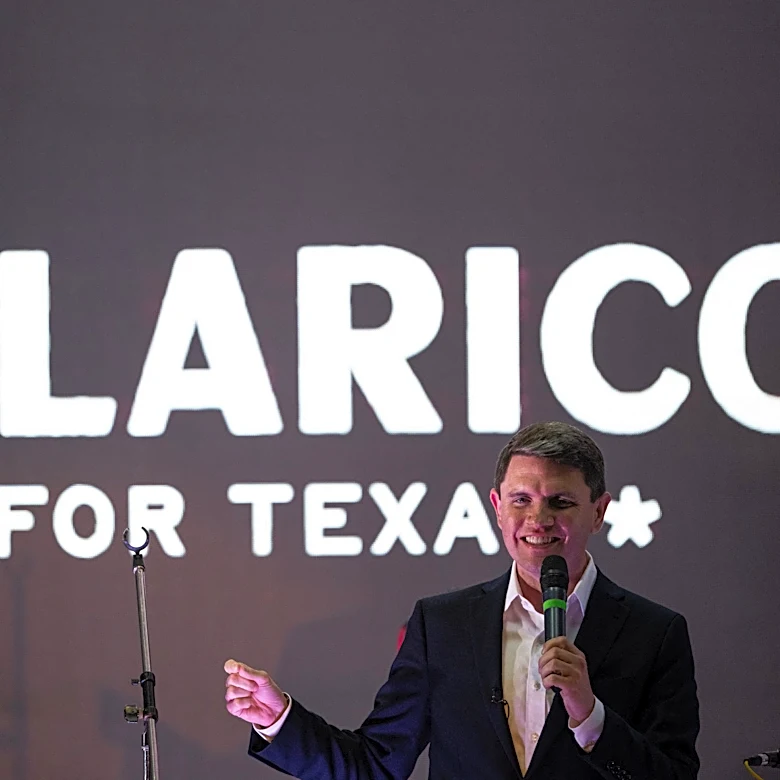

Voters will choose between two candidates in the race for Ohio House District 10, where incumbent Rep. Mark Sigrist is running for reelection.
Sigrist, D-Grove City, faces a challenge from Republican Denise D'Angelo.
The 10th district stretches from just south of downtown Columbus southwest into areas of central Ohio, including Grove City. It is one of the few competitive districts in the Ohio legislature, with Dave's Redistricting App rating it as 50% Republican and 49% Democratic.
Ohio's general election is Nov. 3, with polls open from 6:30 a.m. to 7:30 p.m. Voters also may cast their ballots early at the Franklin County Board of Elections, located at 1700 Morse Road.
The information below was supplied by candidates responding to a questionnaire.
The Dispatch only edited responses for length or clarity.
Mark Sigrist

Age: 64
Party: Democrat
Campaign website: MarkSigrist.com
Background: Rep. Mark Sigrist is serving his first term in the Ohio House of Representatives, representing House District 10 in southwest-central Ohio. He previously served on Grove City Council from 2022 to 2024. After earning a bachelor's degree from Ohio University, Mark spent more than 33 years with Honda North America, working in accounting, strategic planning, expatriate management and information systems. Early in his career, Mark and his family moved to Japan, where he helped establish Honda’s first expatriate program supporting North American associates and their families. He brings decades of private-sector experience and community service to his work at the Statehouse.
Why are you the best candidate? I have always believed public service is less about having all the answers and more about doing the work to find them. During 33 years with Honda North America, I learned the value of listening, teamwork, root cause problem solving and going directly to the people closest to a problem. At Honda, we called this going to the “Gemba,” the actual place. I carried that lesson with me to Grove City Council and now to the Ohio House. I want to demonstrate that same approach to developing public policy. People closest to a problem shouldn’t merely be asked whether they support our proposed solution. They should be invited to help us understand the problem. I believe involving them earlier can lead to sounder legislation and better solutions. I have begun work that will likely continue into the next General Assembly, including legislation addressing pedestrian safety, children’s safety and safer access to prescription information for visually impaired and reading-challenged Ohioans. I want to see that work through. I don’t believe any elected official has a monopoly on good ideas. I’m asking for another term because there is important work still to be done.
What is your plan for addressing rising property taxes? Deep down, I believe any solid plan must target those most impacted and include state funding. I am currently a joint sponsor of HB 598, which aims to empower local governments in Ohio to establish Residential Stability Zones. This legislation allows counties, municipalities and limited home rule townships to create these zones through a resolution, enabling homeowners within these areas to qualify for a partial property tax exemption. The bill does not mandate tax exemptions but provides the option for local governments to implement them if they choose.
What policies would you pursue – if any – to help address the shortage of housing in central Ohio? Central Ohio needs more housing at a range of prices, and there is no single solution. I would support state policies that encourage communities to remove unnecessary barriers to new housing while respecting local governments' important role in land-use decisions. That can include incentives for communities that responsibly increase housing density, streamline permitting and allow a broader mix of housing, including starter homes, townhomes, apartments and options for seniors who want to downsize. We also need to recognize that housing cannot be separated from infrastructure. Roads, water, sewer, schools and public safety must support new development, and the costs of growth should be fairly shared. Finally, I would bring the same approach I use on other issues: involve residents, local governments, builders, housing advocates and prospective homeowners early in understanding the problem. Good housing policy should help central Ohio grow without losing what makes our communities desirable places to live.
What, if any, role should the state government have in regulating data centers? Do they have a place in your community or not? The State of Ohio has a role in establishing appropriate statewide policy, but I also believe local elected officials should retain the ability to make land use and development decisions based on their communities' particular needs. The same principle applies at the state level. Bring industry experts, residents, utilities, local officials and other stakeholders to the table. Visit data centers demonstrating best practices. Listen to proponents and opponents. Learn what is working and what isn't in communities that already have these facilities. Then use what we learn to develop clear, measurable standards that can evolve as the technology evolves. That's the approach I support for Ohio: do the homework, establish the standards, protect our communities and then make decisions based on the facts. Bottom line: Protect residents, minimize environmental impact, do the homework, establish the standards and follow the facts.
Denise D'Angelo

Age: 43
Party: Republican
Campaign website: DeniseDAngelo.com
Background: A proud wife and mother of three boys, Denise D'Angelo is deeply invested in her community. Whether she is managing her massage therapy practice, working with her family's business or volunteering for her children's sports and school activities, D'Angelo strives to give back. As a South-Western City School District board member, D'Angelo's spent the last three years championing school safety, better communication and focused learning environments.
Why are you the best candidate? I am running for state representative for House District 10 because I possess a deep, lifelong commitment to making Ohio a wonderful place for every citizen. My background as a small-business owner and a school board member has taught me that progress happens when you ask the tough questions and collaborate with anyone willing to find a solution. Now is the time for effective leadership. Once elected, I will be part of the House majority, ensuring your vote carries more weight and providing me with the leverage necessary to be a powerful advocate for our district. My primary focus is economic stability and sustainable growth. No Ohioan should be taxed out of their own home. Living in our great state must remain a reachable reality for everyone. I am championing serious tax reform that protects the taxpayer without sacrificing our public essentials. Our schools, fire departments and police services are imperative to our safety and success. These professionals should never have to worry about their pay or whether their workplaces are safe and functional. I offer a balance of compassion and resolve. I will work tirelessly to ensure Ohio thrives for all, making me the best candidate to represent you.
What is your plan for addressing rising property taxes? As a mom and small-business owner, I know that every dollar counts. We cannot continue to let rising property taxes threaten the stability of our homes. My approach is rooted in common sense: We must stop treating homeowners like an endless ATM. I will fight for targeted relief, such as circuit-breaker caps and expanded exemptions, to ensure our seniors and families aren't taxed out of their neighborhoods. While I appreciate the state's investment in our children, we must optimize how those funds are used to reduce the reliance on local levies. We don't have to choose between quality schools and affordable housing. By demanding transparency in assessments and prioritizing fiscal accountability, we can protect our essential services, including police, fire and education, while ensuring that living in Ohio remains an affordable reality for every hardworking family.
What policies would you pursue – if any – to help address the shortage of housing in central Ohio? To address the housing shortage, we must stop the government red tape that stifles growth and drives up costs. I support efforts to modernize zoning laws and streamline the permitting process, reducing the bureaucratic hurdles that make building new homes too expensive. By empowering the private sector to build more workforce housing through a deregulated, market-driven approach, we can increase the supply of homes and naturally drive prices down. We don't need more government mandates; we need to get the government out of the way so that the American dream of homeownership remains attainable for the families of central Ohio.
What, if any, role should the state government have in regulating data centers? Do they have a place in your community or not? The Ohio government must play a proactive role in regulating data centers to ensure they don't come at the cost of our environment. These facilities do not belong in our backyards or on our viable green spaces. I support state-level zoning standards that mandate data centers be placed in industrial zones, far from residential neighborhoods. Furthermore, data centers should not receive any tax breaks. I also believe that, with the right elected officials in place, the genuine desires and concerns of the community should be met. We cannot allow these facilities to destroy our environment or deplete our water resources. I will advocate for strict protections and land-use policies that prioritize our natural heritage over corporate expansion, ensuring that progress does not mean the destruction of our communities or the misuse of our tax dollars.
This article originally appeared on The Columbus Dispatch: Meet the candidates in Ohio's 10th House District race