








This column discusses suspected suicide. If you or someone you know needs mental health resources and support, please call, text or chat with the 988 Suicide & Crisis Lifeline or visit 988lifeline.org for 24/7 access to free and confidential services.
Ray Watford is a retired production director who worked for newspapers in Florida, Massachusetts, Michigan, Ohio and West Virginia.
At 8:03 a.m. Monday morning, Pierre Damas Bel called his father on video.
“I’m not feeling OK mentally because of the bullying,” he said.
His father told him to come home so they could talk.
Forty-two minutes later, troopers were dispatchedto mile marker 66 of Interstate 70 westbound. Bel’s 2006 Toyota Avalon was parked on the shoulder. He was pronounced dead at the scene.
He was 20.
Around 11 a.m., police came to his father’s door.
Here is the rest of the calendar.
- June 25: The Supreme Court clears the way to end Temporary Protected Status for Haitians.
- July 27: The designation ends.
- July 29: ICE fits Bel with a GPS monitor while his immigration case continues.
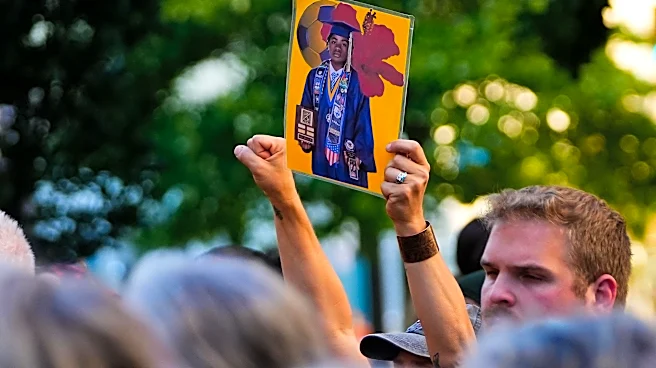
- July 30: He posts 20 photographs toInstagram:his diploma, scholarship, JROTC award and soccer uniform. Among them is the black band around his ankle.
- Aug. 24: He starts classes at Wright State University.
- Aug. 31: He is dead.
Bel had been a college student for eight days. He had worn the monitor for 33.
He was not hiding. He had made a U.S. Customs and Border Protection CBP One appointment, presented himself at a port of entry in March 2024 and was released while his case proceeded. He graduated from Springfield High School in May as an honors student who participated in Marine Corps JROTC and played varsity soccer.
He enrolled at Wright State to study neuroscience. He meant to become a doctor.
“I didn’t come here to commit a crime or hurt anyone,” he wrote. He asked how he was supposed to play college sports with a monitor around his ankle.
His father says Bel made two trips to immigration offices, pleading to have it removed. It stayed.
Wright State says it has no confirmed complaints or investigations involving the reported bullying of Bel. A university can lack a paper trail, and a young man can still be marked.
Asked about his death, the government explained that no one had to remain here wearing a monitor. There was an app to arrange his departure. There was a government flight. There was a cash bonus once his departure was confirmed, and forgiveness of fines for failing to leave.
Remaining while fighting removal, the department said, was a choice.
Wear the shackle or leave. That was offered as a choice.
An ankle monitor is defended as mercy because it is not a jail cell. On a college campus, it becomes something else. It is a sentence strangers can read across a room. It turns an unresolved immigration case into a public accusation and leaves a 20-year-old to explain himself to people who have already decided what he is.
I know something about being marked.
As a child, I was bullied for being poor – for my clothes, my accent and the things my family could not afford. Children learn quickly which visible differences can be turned into shame.
Adults should know better than to fasten one to a young man’s ankle.
A republic can enforce its immigration laws without requiring a freshman to wear his case on his leg. Whatever the law asked of Pierre Damas Bel, it did not ask this.
His father told him to come home.
He was trying to build one here.
Ray Watford is a retired production director who worked for newspapers in Florida, Massachusetts, Michigan, Ohio and West Virginia.
This article originally appeared on The Columbus Dispatch: We handed Pierre Damas Bel a sentence strangers could read across a room | Opinion