






Editor’s note: Once a month, OSU Extension Master Gardener Volunteers in Franklin County profile a plant that occurs naturally in central Ohio.
Fall has finally arrived in Ohio, which typically means the end of the flowering season in our beloved gardens. But fear not, fellow gardeners, for it is the time of the calico aster, Symphyotrichum lateriflorum!
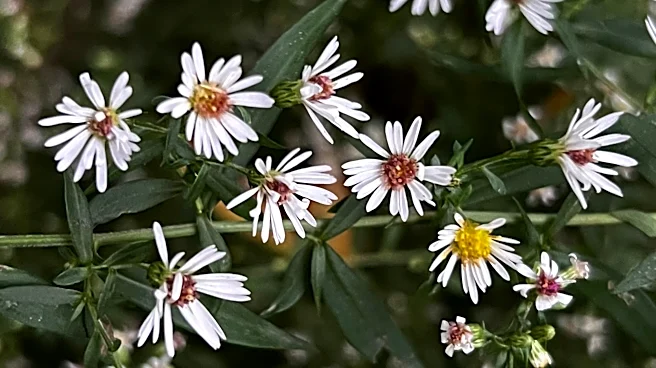
This native Ohio perennial wildflower grows between 2 and 4 feet tall and wide, blooming from late August through October. It is also known as white woodland aster, starved aster and side-flowering aster. It does tend to be shrubby; however, it is a prolific bloomer and is absolutely beautiful. Clusters of small white flowers called rays surround a central floral reproductive disc made up of tubular
flower heads that change color from yellow to mauvy pinkish purple to brown as they age. Each central disc flower ages at different times, resulting in multiple color variations appearing simultaneously across the many blooms; hence the common name, calico aster.
Another common name, side-flowering aster, matches its habit of producing flowers on only one side of the stem. Long and often arching branches grow from a center stem that has small white hairs. The stems are green and can change to red as the season progresses. The lance-shaped leaves are green with toothed margins. They average 6 inches long and 1.5 inches wide, with larger leaves starting at the base and gradually decreasing in size as they move toward the top of the stem. The leaves turn from dark green to coppery red in late fall, providing visual interest even after the plant has finished flowering.
Calico aster can be found growing on the edge of fields and forests, and in prairies, meadows and disturbed soils. They are also known to make appearances and pop up in gardens where they were never intentionally planted, a welcomed surprise visitor, I say!
The calico aster is an excellent alternative to the non-native chrysanthemum that pervades every store each fall. The calico aster offers a late-season source of nectar and pollen for many varieties of insects, bees, flies, wasps and butterflies; it is the larval host to the pearl crescent butterfly (Phyciodes tharos). If you’ve ever seen a calico aster, you know the plant is constantly covered with all sorts of winged friends.
When planting calico aster, pair it with other natives that bloom around the same time with a variety of textures, shapes and colors. Try smooth mountain mint, Pycnanthemum muticum, to serve as the backdrop with its silvery sage-green bracts and stems. Add smooth aster, Symphyotrichum laeve, for an injection of periwinkle blooms. Double down with goldenrod, Solidago spp., for a fluffy blaze of bright yellow. Round out the planting with white turtlehead, Chelone glabra, and enjoy the white tubular and lavender-tinged flowers. For a late-season garden that will be all the buzz, plant calico aster. It will absolutely bring all the pollinators (and maybe your neighbors) to your yard.
Growing requirements:
Hardiness zone: 4-8
Light: full sun to part shade
Water: medium
Maintenance: low
Soil: moist
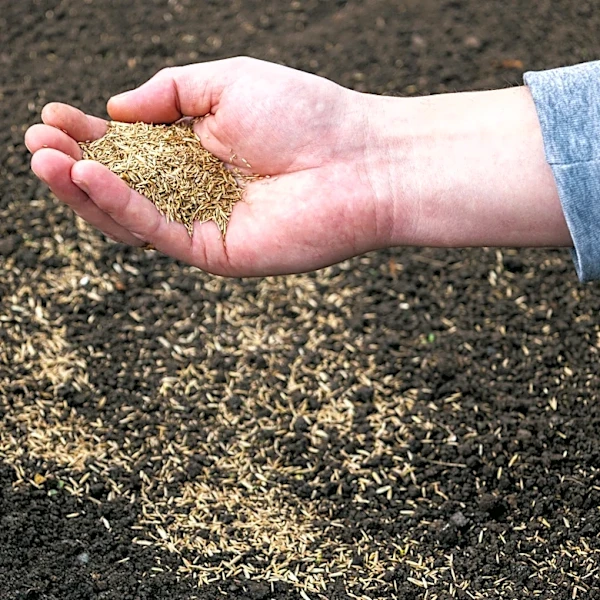
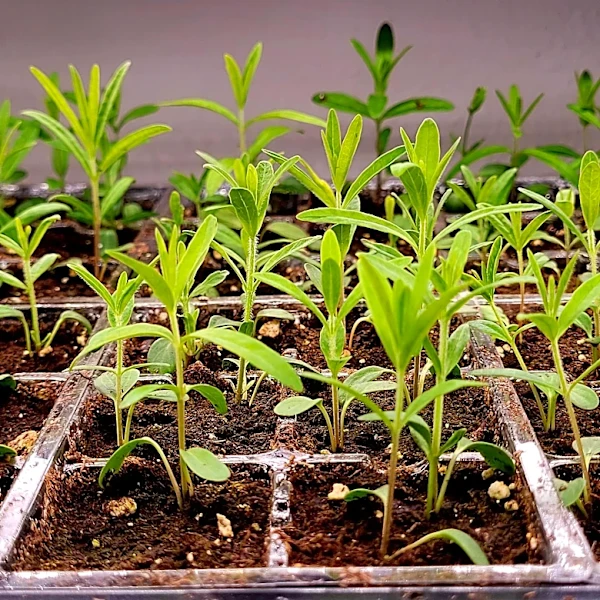
Propagation: by division, self-sows, can collect seeds in October or division
Pests and disease: no serious disease or insect problems
This article originally appeared on The Columbus Dispatch: Calico aster brings color, pollinators to fall gardens