








The calendar turned to fall this week, but the gardening season doesn’t have to end just because the days are getting cooler and shorter. In fact, fall is the best time to plant many trees, shrubs, herbaceous perennials and grasses, including ornamental grasses.
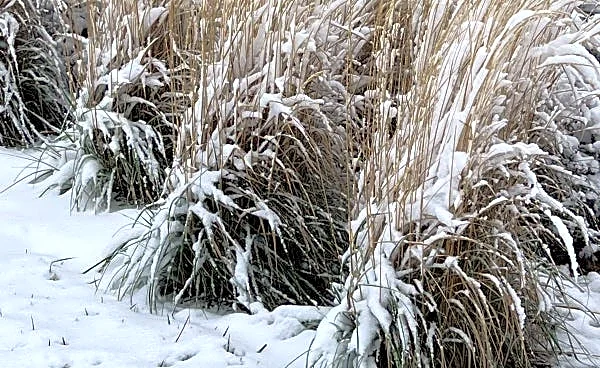
Ornamental grasses have become popular plants in the home landscape due to the variety of colors, growth patterns, flowers and their ease of maintenance. Many species of ornamental grasses also provide year-round interest in the landscape. These plants really stand out in late summer and fall in central Ohio, adding color, texture and even sound to the landscape.
Ornamental grasses need little care
Ornamental grasses are low-maintenance perennial plants. Most species of ornamental grasses grow best and thrive in full-sun
locations, but there are a few species which will tolerate locations with partial shade. Ornamental grasses thrive in a variety of different soil conditions including heavy clay soils and soils with little organic matter or nutrients.
Insects and diseases are rarely a problem with ornamental grasses and deer and other wildlife do not typically feed on ornamental grasses. This is because the tough, fibrous texture and high silica content of most ornamental grasses make them unpalatable and hard to digest. The exception to this is in early spring, when deer and rabbits occasionally will nibble on the tender, succulent new growth emerging from the base of a grass plant.
Ornamental grasses can be planted in early spring or fall in central Ohio, and if there is one time when these plants will benefit from some extra attention, it is when they are planted. Some extra care at planting and during the first season of growth will allow the gardener to ignore these plants once they become established.
When planting ornamental grasses, be sure to dig the planting hole twice as large as the container or root ball and backfill with soil mixed with organic matter such as compost or peat moss. While ornamental grasses can thrive in dry soil conditions, newly planted grasses should receive at least an inch of water each week so that the plants become established.

Cool-season and warm-season grasses
Some species of ornamental grasses are cool-season grasses, and others are warm-season grasses. The main difference is the time of year when they experience their most active growth and flowering, driven by their preferred temperatures. Both cool- and warm-season ornamental grasses can thrive in central Ohio landscapes.
Cool-season grasses prefer mild temperatures between 60 and 70 degrees Fahrenheit and start growing in late winter and early spring. These grasses get a second spurt of growth in fall and slow down or go semi dormant during the hottest summer temperatures.
Warm-season grasses thrive in hot weather between 85 and 100 degrees Fahrenheit. These grasses wait until late spring or early summer to emerge and grow rapidly during hot summer months. Many warm-season grasses turn shades of gold, red and tan in fall and remain dormant and brown throughout winter.

Choosing species of ornamental grasses for your landscape
There are scores of different species of ornamental grasses available at area garden centers, and each has different characteristics that make them stand out in the landscape. Look for species with characteristics such as color, texture and growth habit which appeal to you and will complement and add variety to your landscape.
When evaluating species of ornamental grasses for planting in your landscape, be sure to check plant labels and descriptions for mature size, as some ornamental grasses grow to 8 feet in height! While taller ornamental grasses make perfect screening plants along the border of your property, you won’t want to plant them in the front of landscape beds in the front yard.
Here are some of my favorite ornamental grasses for central Ohio landscapes:
- Feather reed grass (Calamagrostis X acutiflora) adds instant vertical interest to the landscape with its large, showy golden seed heads atop green stems. This is a cool-season grass which grows 3 to 5 feet tall.
- Fountain grass (Pennisetum alopecuroides) is a blousy, floppy warm-season grass which will add whimsy to more formal plantings of boxwoods or hedges. It grows to about 3 feet tall.
- Indian grass (Sorghastrum nutans) is a warm-season grass with wispy golden seed heads which wave in the wind. It grows from 4 to 6 feet tall.
- Tall fescue (Festuca glauca) is a small cool-season grass which grows less than a foot tall. Its foliage has a blue tint and the small mounding growth habit makes this grass a perfect addition to any established flower bed.
Mike Hogan is Extension Educator, Agriculture & Natural Resources and associate professor with Ohio State University Extension. He can be reached at hogan.1@osu.edu.
This article originally appeared on The Columbus Dispatch: Ornamental grasses add year-round color to central Ohio yards