




Mike Glick is CEO of NIMA Partners and has extensive experience in food, nutrition and consumer health, including leadership roles with SpoonfulOne, Else Nutrition and Goode Health.
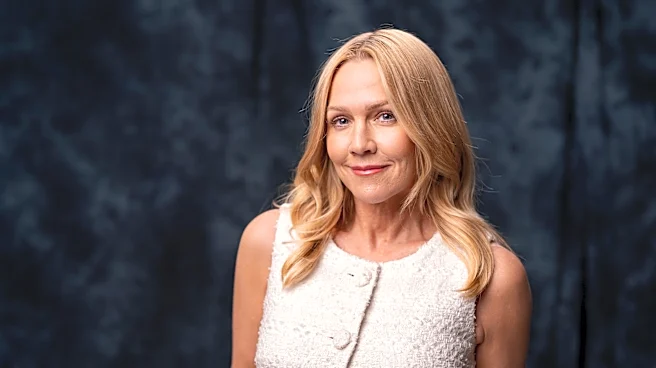
In the span of just a few days, actress Jennie Garth and former "Teen Mom 2" star Kailyn Lowrypublicly shared that they had been diagnosed with celiac disease. Earlier in August, actressJennifer Espositomade headlines recounting the years of illness and misdiagnosis she endured before doctors determined she had the disease.
The issue is also gaining attention closer to home.
"Gluten Is a Joke," a new documentary featuring University of Toledo student and celiac advocate Annie Rutherford, premiered in September and explores the stigma, misunderstandings and health consequences
surrounding medically necessary gluten-free living.
Policymakers are beginning to pay more attention, too. California, Illinois and Virginia have all adopted new measures aimed at improving food-allergy or celiac safety in restaurants.
Ohio is part of that movement. House Bill 364 would require food service operations to identify menu items containing certain major food allergens, including wheat. The proposal is an important step because it gives people more information about the food they eat. But it does not fully address the realities people with celiac disease face every day.
First, celiac disease is not a wheat allergy. It is an autoimmune disease triggered by gluten – and wheat is only one source. Gluten proteins are also found in rye and barley, neither of which would be covered by a wheat disclosure.

I have spent much of my career working in food allergy and nutrition. Now, as CEO of the food safety platform NIMA, I regularly talk with people living with celiac disease about the challenges they face following the strict gluten-free diet necessary to avoid getting sick.
Getting it wrong comes with serious consequences
For many chronic conditions, patients have an objective measure to help guide everyday decisions. People with diabetes can check their blood sugar. People with hypertension can measure their blood pressure. But people with celiac disease often have no equivalent way to know, in the moment, whether the food in front of them contains gluten. When they eat outside the home, they are largely relying on labels, restaurant employees and the assurances of strangers.
And getting it wrong can have real health consequences. Even small amounts of gluten can trigger an autoimmune response that damages the small intestine, leading to gastrointestinal problems, nutritional deficiencies, fatigue and other symptoms.
Restaurant dining is widely recognized as a common source of accidental gluten exposure. One major reason is cross-contact. A dish can contain no gluten ingredients and still be exposed to gluten during preparation. For example, cross-contact happens when a kitchen uses the same knife for regular bread and gluten-free bread or puts French fries (which are gluten-free) in a shared fryer that also fries gluten-containing foods.
A menu disclosure can tell a customer what ingredients are in a dish. It cannot tell them whether that food came into contact with gluten in the kitchen.
That uncertainty has a real impact on people with celiac disease. A recent survey NIMA conducted in collaboration with Beyond Celiac found that 71% of people with celiac disease avoid eating out to reduce the risk of accidental gluten exposure. 66% deliberately skip social gatherings or parties, and more than half avoid meals with friends and family.
We can do more to change that. Better education and training can help restaurant employees understand not only which ingredients contain gluten but also how cross-contact happens and how to prevent it. We can also raise awareness of emerging food-testing tools that provide another layer of information by allowing restaurants or diners to test a sample of a meal for gluten before it is eaten.
The growing attention around celiac disease is welcome. But awareness is only meaningful if it leads to better understanding.
House Bill 364 is a good start. But disclosure alone cannot make a meal safe. If Ohio wants to make dining out more accessible for people with celiac disease, we should build on this legislation with greater education about gluten, stronger attention to cross-contact and broader awareness of the tools available to help determine whether food is actually safe to eat.
That is how we begin to give people with celiac disease the confidence to sit down, order a meal and enjoy it without having to wonder whether it will make them sick.

Mike Glick is CEO of NIMA Partners and has extensive experience in food, nutrition and consumer health, including leadership roles with SpoonfulOne, Else Nutrition and Goode Health.
This article originally appeared on The Columbus Dispatch: Jennie Garth's diagnosis shows why Ohio restaurant menus must protect dinners | Opinion