




Daylight Saving Time in 2026 will end Nov. 1 in Ohio − one of 48 states that still observes the time change − if the Trump administration fails in its bid to make DST permanent.
The Sunshine Protection Act was passed by the U.S. House of Representatives but still awaits U.S. Senate approval. It's not clear if the Senate has enough votes to pass the legislation before the clocks fall back by one hour in less than three months, despite Trump's pushes to pass it quickly.
Central Ohio House Representatives Joyce Beatty (D) and Mike Carey (R) both voted in favor of making DST permanent July 14 when the House voted 308-117 in favor of the change. Only two Ohio representatives voted no on the act.
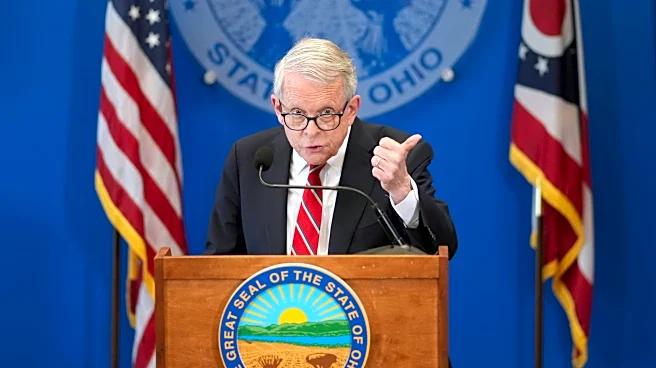
Gov. Mike DeWine has also expressed support for making
DST permanent in alignment with much of the Republican party.
Daylight Saving Time history
DST was implemented for the first time in the United States for energy conservation purposes during World War I, it then re-enacted during World War II by then-President Franklin D. Roosevelt.
It was used inconsistently across the United States from then until 1966, when Congress passed the Uniform Time Act and standardized DST across the nation. At its core, the idea behind the shift is to match daylight hours with the times when people are most awake.
Moving clocks forward and back twice every year dysregulates people's circadian rhythms, which is tied to sleep habits and other bodily functions. The jump forward into DST in the spring is often linked by experts to traffic crashes and increased health risks.
Polls show there is typically wide agreement that the clock changes should come to an end, but experts disagree on whether DST or Permanent Standard Time align more with people's natural clock.
Dispatch reporter Lilli Malonen can be reached at lmalone@dispatch.com or on Instagram at @lillimwrites.
This article originally appeared on The Columbus Dispatch: Unless legislation passes Senate, Ohio clocks will fall back in November