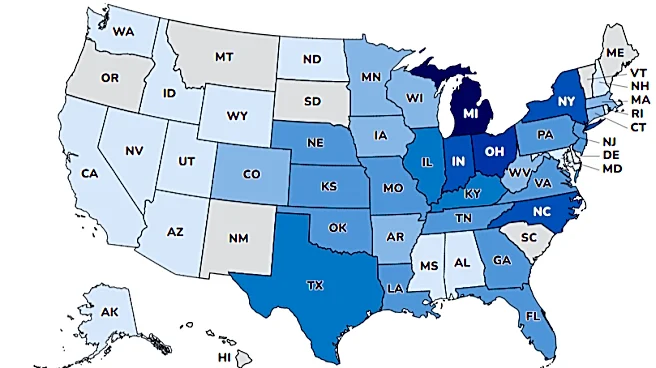


The ongoing foodborne illness outbreak of cyclosporiasis
has caused concern among consumers and local gardeners who are questioning the safety of consuming lettuce and other fruits and vegetables from their gardens. While the exact food item and source (or sources) of the outbreak have not yet been positively identified, what is known is that fruits and vegetables from local gardens pose little risk when proper growing techniques are employed.Understanding cyclospora amid outbreak in Ohio
Cyclospora is a tiny parasite which only occurs in humans and requires an environment such as water or soil to complete its life cycle. The parasite is shed by sick individuals and causes infections after one to two weeks in the environment. Symptoms of cyclospora infection include severe gastrointestinal
distress, nausea, fatigue and fever.
Outbreaks of this foodborne illness are common, but the scope of the current outbreak is much larger than levels typically experienced. Outbreaks associated with this parasite are commonly associated with contaminated water and fresh produce. The general route of contamination is through contaminated irrigation water or soil.
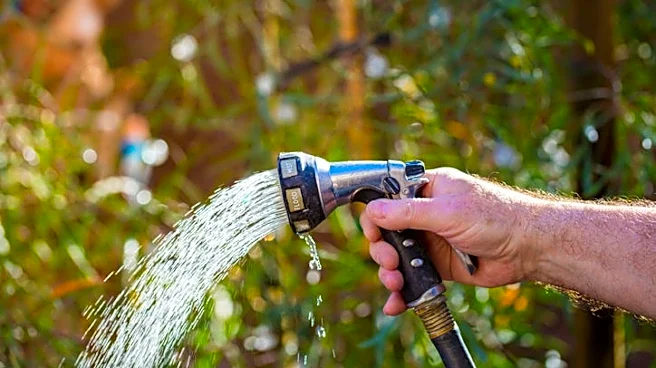
Because human waste is the primary reservoir of the parasite, irrigation water applied to crops can sometimes get contaminated after storms and floods. The good news is that most gardeners in central Ohio utilize municipal water sources to irrigate vegetable crops. Municipal water systems provide a highly tested and regulated source of water suitable for human consumption.
Good agricultural practices for gardeners to avoid cyclospora
For many years, OSU Extension has been teaching farmers, gardeners and farmers market managers about Good Agricultural Practices, or GAPs, in an effort to reduce the risk of foodborne illnesses when growing and marketing fruits, vegetables and herbs. It is estimated that fresh produce accounts for approximately 25% of all foodborne illness outbreaks in the United States.
GAP’s is a comprehensive system for reducing foodborne illnesses spread primarily by microbes. The GAP’s program trains gardeners and farmers to assess and minimize risks during all phases of growing and marketing fresh produce, including site characteristics, field sanitation, human health and hygiene, recordkeeping and traceability, use of inputs and soil amendments, storing and marketing of produce, and perhaps most importantly, water used for irrigation.

Potable water is critical for gardeners
A source of potable drinking water should always be used to irrigate and wash fresh produce from the garden, especially when produce is shared with others, sold to the public or donated to food pantries.
Because purchasing municipal water can be expensive, especially during droughts, many gardeners like to use harvested rainwater to irrigate food crops. Rainwater can be harvested from the roof of the home by diverting water from downspouts into plastic rain barrels, where it can be stored for use during stretches of dry weather.
Utilizing stored rainwater to irrigate food crops presents some risk because microorganisms, which can cause foodborne illnesses, can develop and multiply quickly in water stored in the rain barrel, especially during warmer temperatures. Harvested rainwater will also contain any contaminants on the roof, such as bird droppings.
If you want to harvest rainwater, use it to irrigate non-food crops such as flower beds, trees and shrubs, or the lawn. Only potable water should be used to wash produce after harvest, and rainwater should never be used as drinking water or to wash hands or clean garden tools.
Surface water from ponds, streams, ditches and retention basins should never be used to irrigate food crops, as it can be contaminated by many different organic and chemical contaminants. Think about how the water in a parking lot looks during a rainstorm. Would you consider drinking from those parking-lot puddles with the colorful sheen of petrochemicals?
Other food safety risks in the garden
While animal manures and bedding can supply nutrients and organic matter to vegetable gardens, fresh manures should not be used. Manures and livestock bedding should be completely composted before being applied to food gardens. Never add pet waste to the garden or to compost piles.
Gardeners should also routinely inspect food gardens for evidence of waste from dogs, cats and wildlife. While it is difficult to exclude domestic and wild animals from food gardens, be sure to look for any evidence that vegetables may have been contaminated by animals and toss those items onto the compost pile.
When harvesting fruits and vegetables, be sure to wash hands before and after handling vegetables. This is especially important when gardening with children. Always harvest vegetables into clean plastic containers and avoid the use of containers made of wood, cardboard or other organic materials that can be contaminated by microorganisms.
Be sure to wash all fresh produce before consuming them.
Mike Hogan is Extension Educator, Agriculture & Natural Resources and associate professor with Ohio State University Extension. He can be reached at hogan.1@osu.edu.
This article originally appeared on The Columbus Dispatch: Are your home vegetables safe from cyclospora?