




Less than two months before Ohio's midterm election, local elections boards are relieved that a U.S. Supreme Court decision won't force them to make complex changes to what they consider to be a fair and trustworthy voting process.
"I think it was going to be near impossible to implement those very complicated guidelines before the upcoming election. I'm relieved they've put some finality to this issue," said Antone White, director of the Franklin County Board of Elections.
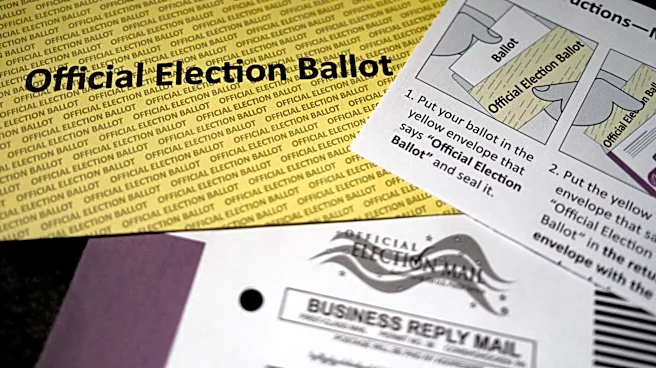
The officials all stressed that mailing in absentee ballots continues to be a safe and trusted way to cast a vote in Ohio, and that voters shouldn't notice much change in how that is done this fall.
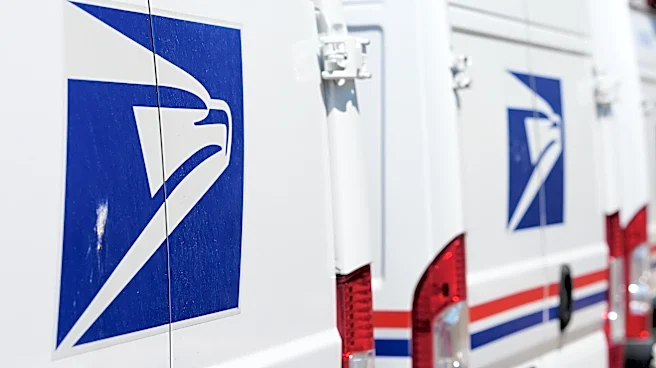
Under the order President Donald Trump signed in March, states were to hand
over lists of verified voters to the U.S. Postal Service and use a specific design for ballot envelopes that includes unique voter barcodes. Under the order, postal workers could have refused to deliver ballots that didn't meet the new rules.
That might have affected many voters who typically mail in their ballots, including the elderly, disabled, those in the military, and college students.
Ohio's Republican Secretary of State Frank LaRose was among those who turned over voting rolls. In August, the U.S. Department of Justice sued 30 other states and the District of Columbia that had not turned over their voter rolls.
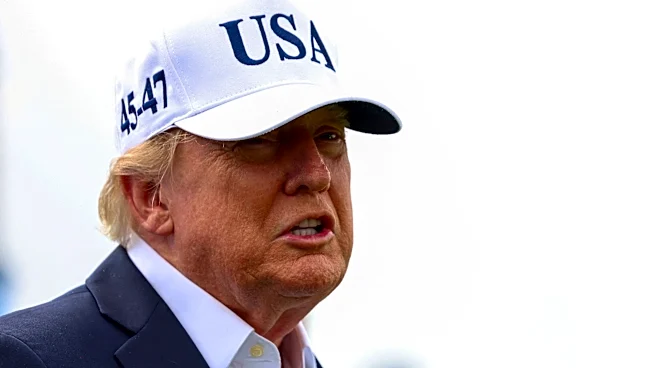
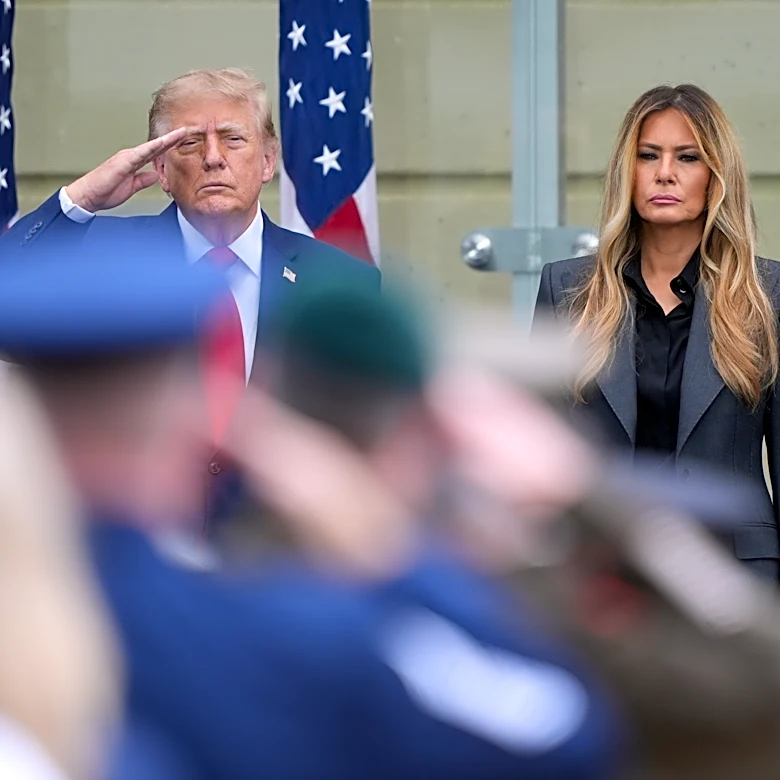
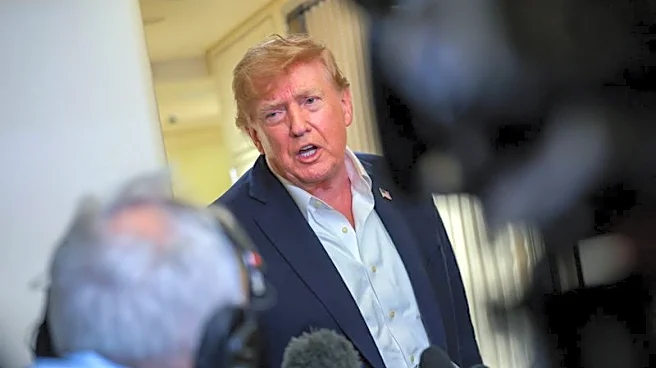
The Supreme Court's 7-2 ruling Sept. 14 declined to let the U.S. Postal Service intercede in the use of mail-in ballots ahead of the Nov. 3 midterm elections that will decide control of Congress. Trump said Sept. 15 that the court's decision was being driven by the "radical left."
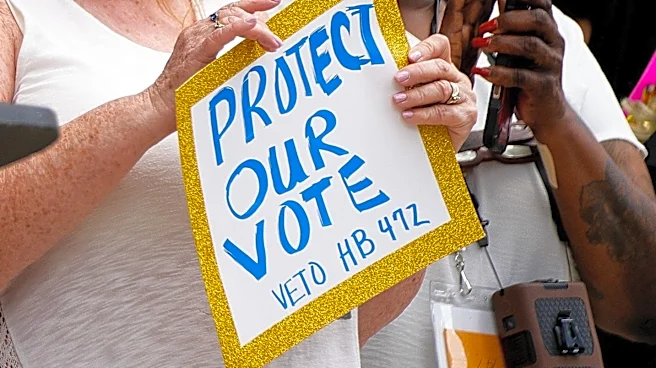
"Voting absentee is critical" for democracy and having every voice heard, said Jen Miller, executive director of the League of Women Voters of Ohio, who noted that "there have been far more Republicans than Democrats requesting these ballots in Ohio."
Miller likens election security to vehicle or airline security, with built-in safeguards and redundancies.
"That's how our elections work. There are protocols layered upon layers of other protocols. It's baked into the elections process," Miller said.
County election officials in central Ohio say they have no agenda other than to ensure fair, safe and accurate voting outcomes, even as some government leaders cling to language of "rigged," "stolen," and "fraudulent" to describe past elections.
"We are here to reassure voters that their elections are safe and secure, and to instill confidence," said John Smith, the Republican director of the Pickaway County Board of Elections. Ohio's bipartisan system requires two Democrats and two Republicans to comprise county elections boards and to have two co-directors, also from different parties.
Had the Trump administration's March order to require the changes been allowed, Smith said he would have been forced to comply.
"We don't react or speculate," Smith said of orders from the Ohio Secretary of State, which oversees administration of Ohio's 88 county elections boards. "If something changes, we'd go with whatever changes. We have to follow the law."
"I'm glad that things are remaining status quo, because we do believe in the (current) process," Smith said.
Stephanie Mack, deputy director of the Madison County Board of Elections, worried about potential changes and likewise praised Ohio's system.
"Ohio does things very well ... safe, secure and accurate elections," Mack said. Trump's executive order "would have caused a lot of chaos among voters, but would have impacted a lot of smaller counties who have fewer resources."
Mack said the county elections board tells callers who need reassurance that "that every single county in Ohio runs elections the same way. We have that playbook. We're all following the same laws and regulations.
"I think they understand," she said.
Madison County has already processed more than 1,000 absentee ballot applications to verify names, addresses, dates of birth, matching signatures, and other identification. The county has 27,000 registered voters.
Brandon Clay, Union County's elections board director for a decade, said he'd already had envelopes approved by the Postal Service. "The problem for us was the 'intelligent' bar codes that had to be approved for each voter," he said.
"I'm happy that things are not changing this close to the election. It would have been a lot of changes .... but we had our game plan," he said.
One of two Delaware County Board of Elections directors did not immediately return calls for comment. Brian Hester, the Democratic co-director, declined to comment.
Steve David, Ohio director of All Voting is Local, agreed with local officials. But he worries that constant doubt from others may poison public confidence.
"What you're seeing is a federal administration trying to use confusion to sow doubt about our elections to call into question outcomes that they don't like," said David. "It hurts everyone. It's an administration that wants to cast doubt so that in the aftermath of an election, they can step in and say what happens."
White, the Franklin County elections director, acknowledges that White House rhetoric about cheating and fraud can affect public opinion about election integrity. Locally, though, he said, "We don't get inundated with a lot of questions and concerns even though people use different kinds of language to elicit reaction."
Where small irregularities are found, the systems integrity may be strengthened by sharing such issues with other boards of elections.
"That's an indication that we're human beings that make human mistakes," White said. "The most important thing is transparency and admitting when this happens.
"I think the public can see that things are not fraudulent and we're not rigging elections. We're all professionals," White said. "We all want to go home to our families. We want to do our jobs ethically and professionally for the people of Franklin County. We don't want to go to jail."
Growth and developent reporter Dean Narciso can be reached at dnarciso@dispatch.com.
This article originally appeared on The Columbus Dispatch: Supreme Court rejects Trump's mail-in vote order, central Ohio elections officials relieved