

The Ohio State Medical Association is sticking to traditional vaccine recommendations following their political arm's endorsement of a more vaccine-hesitant gubernatorial candidate and ongoing clash between federal health officials and the nation's top pediatric organization.
The Ohio State Medical Association (OSMA), which describes itself as the leading voice for physicians, residents and medical students in Ohio, announced its support for the American Academy of Pediatrics' (AAP) child and adolescent vaccine schedule on Sept. 29. Once a set of golden rules in medicine, AAP's vaccine recommendations, which include doses from birth to age 17 that protect against 18 diseases, have come under more scrutiny as vaccine skepticism rises in the United
States.
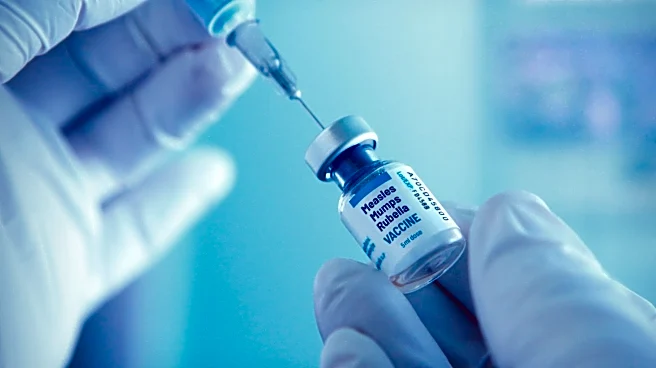
As such skepticism has grown, so have the number of cases of diseases that have long been preventable with vaccines. There are currently over 3,600 cases of measles in the United States, the highest number since 1991. Ohio has reported 196measles cases – double its case count for 2025.
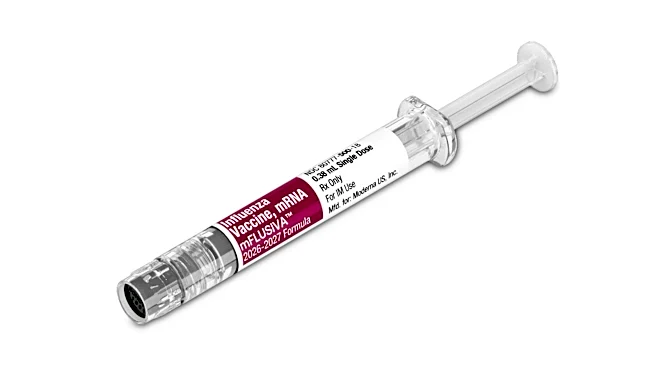
This skepticism has wound itself tightly in the Department of Health and Human Services (HHS), led by known vaccine skeptic Robert F. Kennedy Jr. Under Kennedy, who has no formal medical training, the Centers for Disease Control and Prevention rolled back or downgraded several vaccine recommendations such hepatitis A and B, rotavirus, flu, meningococcal disease and respiratory syncytial virus (RSV) for all people groups.
The HHS bypassed its standard process of consulting the CDC’s Advisory Committee on Immunization Practices (ACIP) during a public meeting.
Earlier this year, AAP and other health organizations sued the federal government over the roll backs. A judge granted a stay on the CDC's changes and reverted to July 2025 vaccine recommendations.

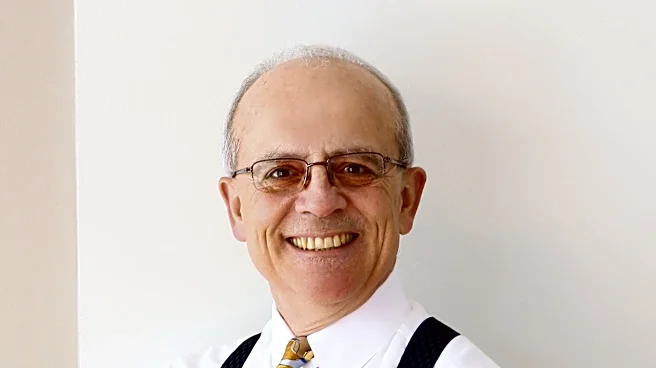
Dr. Gary Katz, OSMA's president and an emergency physician, told The Dispatch that one of the "key advancements" in public health has been through prevention of infectious diseases, and vaccines are vital and scientifically sound prevention tools.
But he also acknowledged that doctors and patients alike are in a new age of sourcing information, and that requires deeper conversations between those doctors and patients to dispel incomplete or "outright wrong" information.
"It's understandable to have questions..." Katz said. "I encourage them to have those conversations about what they've heard, why they might be afraid or might be hesitant to follow what's been so well established as good public health policy and recommendations, and have those conversations with their families."
Political arm decision splits Ohio doctors
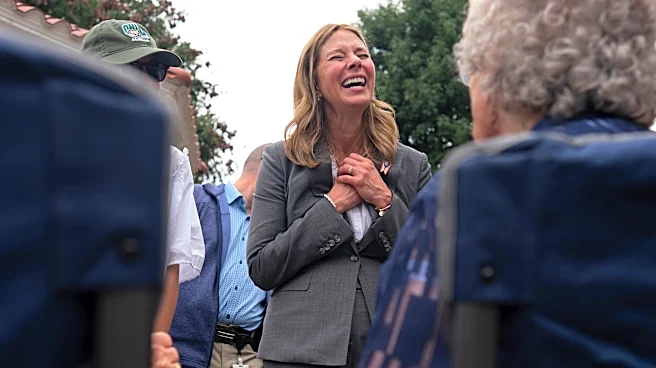
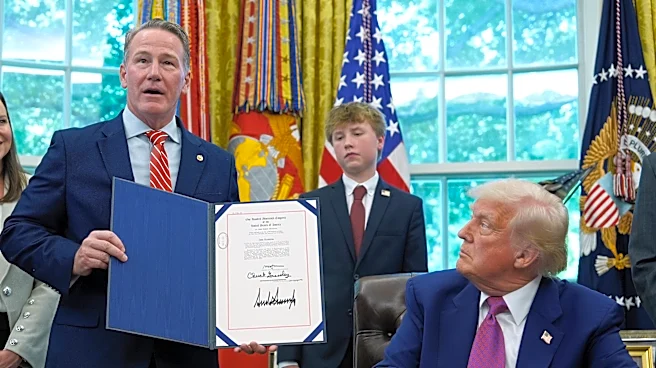
In September, the OSMA's political arm endorsed Republican tech entrepreneur Vivek Ramaswamy in the Ohio governor's race over Democratic Dr. Amy Acton, who previously directed the Ohio Department of Health during the COVID-19 pandemic.
Ramaswamy has publicly expressed regret over receiving the COVID-19 vaccine, as well as opposed mask and vaccine mandates. His wife, Dr. Apoorva Ramaswamy, a physician and assistant professor at Ohio State University, received the vaccine.
OSMA's political arm, which Katz said is not the same as the organization itself and not representative of all members of the organization, endorsed Ramaswamy after meeting with Dr. Ramaswamy.
OSMA PAC Chair Dr. Anne Taylor said that Ramaswamy's commitment to reducing administrative burdens and insurance barriers on doctors as one of the reasons they chose to support him.
Some physicians signed an open letter, starting: "When a medical organization backs a candidate who threatens the very foundation of patient care, it betrays the core duty of our profession."
Business and consumer issues reporter Samantha Hendrickson can be reached at shendrickson@dispatch.com
This article originally appeared on The Columbus Dispatch: Ohio doctor group backs childhood vaccines amid political split