

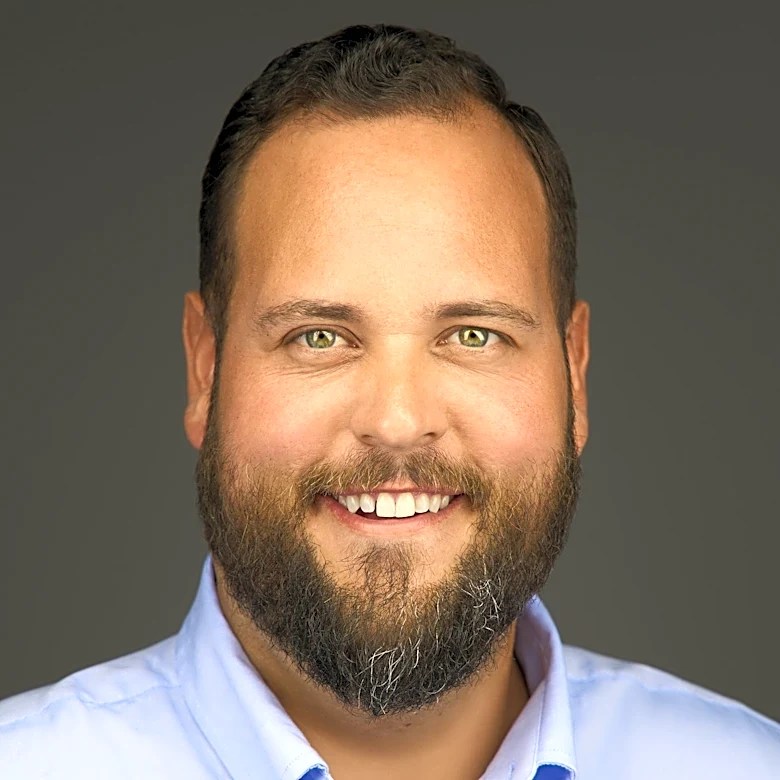
Theresa Hice-Fromille is an assistant professor of geography at The Ohio State University and a member of the board of directors for the Haitian Community Help and Support Center.
An ethnic cleansing is claiming lives in Springfield.
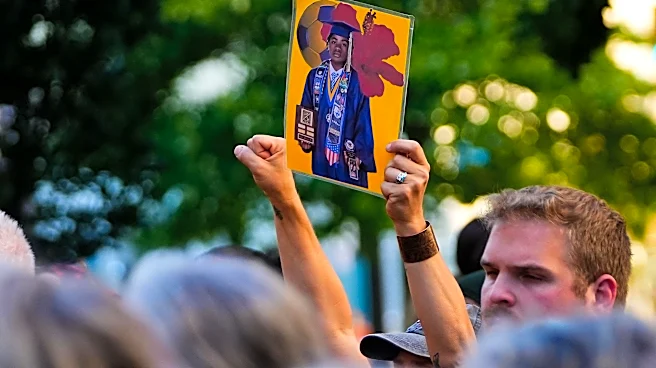
College student Pierre Damas Bel was devastated when ICE shackled him with an ankle monitor that surveilled and isolated him. Instead of being excited about his first semester of college, he was excluded from his soccer team, Junior ROTC cadets, and a future in neuroscience.
The young man who had just graduated from Springfield High School with honors walked onto the highway and was killed by a semi-truck pn Aug. 31.
By all accounts, the young man I met this summer was thriving in his newfound Springfield home. But
after ICE summoned him to their offices and placed a tracking device on his ankle, his emotional state rapidly declined.
Pierre’s death is a direct result of a federal ethnic cleansing campaign.
Time and again, ICE policy told Pierre he did not belong and pushed him toward deportation even as humanitarian groups warned of the safety risks posed to Haitian deportees.
What is ethnic cleansing?
Ethnic cleansing is a policy or coercive practices designed to remove an ethnic civilian group from a geographic area.
Americans have seen it before: the forced removal of Indigenous people in the 19th century. The violent expulsion of African Americans from Tulsa in 1921. The detainment of Japanese Americans during WWII. Under the guise of immigration enforcement and national security, the federal government is currently facilitating an ethnic cleansing, and Springfield is one of their targets.
Earlier this year, authoritarianism expert and Ohio native Timothy Snyder issued a chilling warning.
He saw President Donald Trump’s 2024 campaign promises and the Supreme Court’s July 2026 endorsement of concentrated deportation as setting the stage for ethnic purging.
At the heart of both matters are the Haitian immigrant residents of Springfield.
For almost two years, I have organized alongside residents of this small, deindustrialized Midwestern city while studying how they build and fight for a sense of belonging. As part of this research, I compiled news articles published around the world to examine how residents and media represent the struggle over defining who America’s Heartland is for.
We need to start using the correct language

While I anticipated the marginal mention of race in reports about Haitians in Springfield, I hoped that would change following the opening arguments of Miot vs. Trumpin April 2026, when Geoffery Pipoly, lead counsel in the case, passionately argued that racial animus was a factor in the administration’s move to terminate TPS.
I was wrong.
Of the more than 1,000 articles collected, only a handful mention race or racial discrimination. None mention ethnic cleansing. But make no mistake, that is exactly what we are witnessing. And if we are to thwart these federal efforts, we need to start using this language.
Since 2023, a loud and bristly local Springfield contingent has called for the removal of Haitian neighbors.
Calling themselves “heritage citizens,” they balk at accusations of racism and argue that Haitians refuse to assimilate. By 2024, President Trump and his running mate eagerly amplified racist tropes on the campaign trail, drawing on language and imagery long used to dehumanize non-white people. His base supporters in Springfield and surrounding predominantly white areas eagerly embraced it.
The logic is that if Haitians are a group of domestic pet-eaters, then they deserve whatever they get. By targeting Haitians and distinguishing them from other immigrant populations, Trump and his local supporters built a case for reinforcing the imagined white space of the heartland. They’ve created a 21st-century template within a longer national history of ethnic removal.
Ethnic cleansing is not always carried out through a singular, dramatic event. It can and does unfold steadily, especially when it is met without resistance.
We can not stop it if we do not call it what it is and organize accordingly. We owe it to Pierre, his friends and family, and to all of our immigrant neighbors, to do so.
As eager politicians prepare for midterm elections this fall, I expect them to explain their visions for the Midwest. I will be listening to hear what they hope to build and who is included.
In the face of a concentrated removal of Haitian people, candidates need to make explicit that halting ICE’s ethnic cleansing efforts is both just and necessary for a thriving future.

Theresa Hice-Fromille is an assistant professor of geography at The Ohio State University and a member of the board of directors for the Haitian Community Help and Support Center in Springfield, Ohio.
This article originally appeared on The Columbus Dispatch: Ethnic cleansing is underway in Springfield. I'm seeing it firsthand | Ohio State expert