







Editor’s note: Throughout the growing season, Mike Hogan, OSU Extension educator for Agriculture and Natural Resources in Franklin County, will answer gardening and home landscape questions submitted by Dispatch readers. Send your questions to hogan.1@osu.edu.
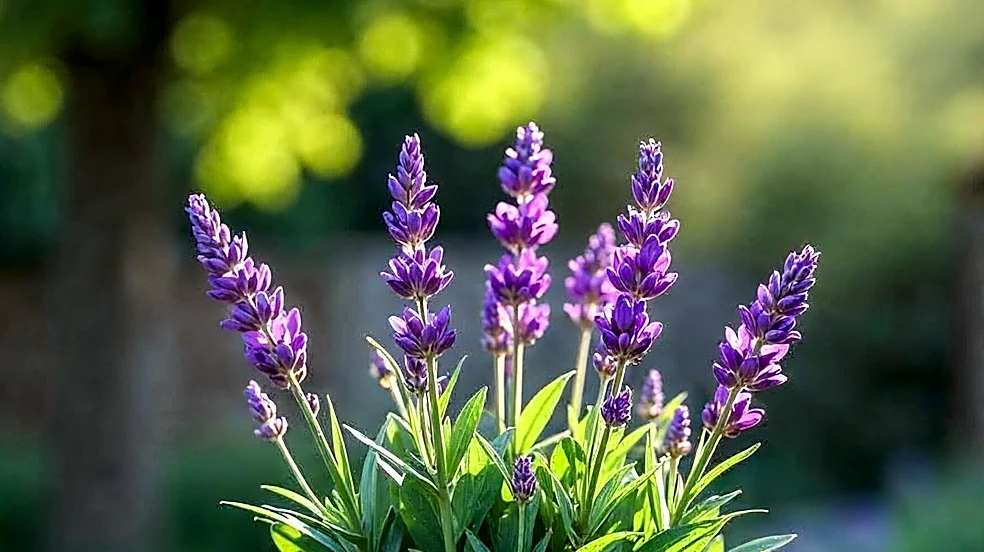
Question: I have a huge lilac bush that needs to be pruned, as it has grown to be very large and now it is starting to block the garage door. It blooms every spring, but I have neglected to prune it for many years. Is it too late in the year to prune it now?
Answer: The best time to prune lilacs in Ohio is within two to four weeks after they finish flowering in the spring, typically late May to mid-June. Lilacs set their flower buds for the next year shortly after the current year’s flowers
fade. Pruning the outer portion of your large lilac now will cut off all next year’s blooms.
If you wish to have flowers again next spring, I would delay pruning until next year and then prune strategically right after flowers fade for the next two or three years to rejuvenate the shrub. To do this, each year after flowers have faded, remove one-third of the older stems which are at least 2 inches in diameter. Cut these stems about 2 inches above ground level.
Doing this over three years will stimulate new growth and cause it to slowly transition to a smaller, fuller, more shrub-like specimen with new growth filling in from the bottom. After this type of pruning is done for three years, you will then be able to prune the outer foliage and shape the plant each year after flowers fade in order to keep it from growing too large again. You can also lightly fertilize the shrub after pruning since additional nutrients will be needed for new growth.
Q: Is it too late to seed lawn grass? I have a small bare area in the lawn where some construction was done late this summer.
A: The best time to reseed cool-season turf grass in Ohio is in late summer and early fall. We normally recommend seeding Kentucky bluegrass by Sept. 15 and fescue and perennial ryegrass by Sept. 30. Planting by these dates allows for germination and root development before the ground freezes.
If weather this fall remains warm, planting this late could be successful. You indicate that you have a small area to reseed, so if the seeding fails, you wouldn’t be out much money or effort. Unlike last fall, soil moisture conditions right now are perfect for turf grass germination.
Another option for a small area might be to install sod. I have seen sod still available at local garden centers, and we typically recommend that sod be installed by the end of October so that roots can grow into the soil before the ground freezes.

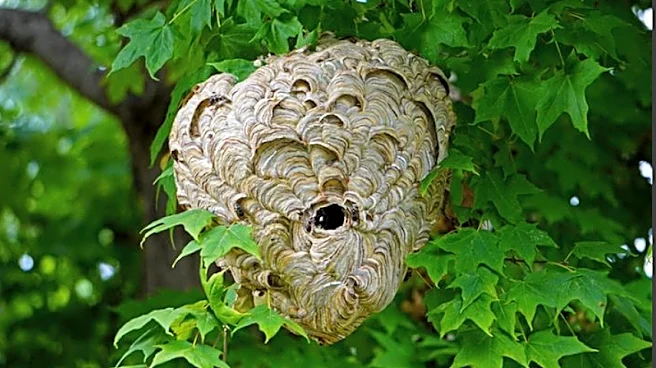
Q: There is a hornet nest in a magnolia tree in our yard that has grown all summer to be very large. We see black and white-colored hornets coming and going from this nest. While the hornets have not bothered us this summer, we would like to remove the nest so that it doesn’t get larger and attract more hornets next year. When is the best time to remove this nest without harming the insects?
A: The nest and insect you describe sound like the bald-faced hornet. Like all wasps, bald-faced hornet nests are only used for one season. Once the new bald-faced hornet queens are mated in late summer, they fly to overwintering sites, leaving behind other worker hornets which will die when freezing temperatures occur later this fall and winter. The new queens overwinter in protected locations such as beneath tree bark, inside hollow trees, etc.
The nest in your tree will never be used again and will likely fall from the tree during winter weather. If it does not fall from the tree over the winter, you can remove it anytime next spring. By attempting to remove it now, you will stir up a proverbial hornet's nest!
This article originally appeared on The Columbus Dispatch: Prune your lilac now in Ohio and you'll lose next spring's blooms