








A flesh-eating parasite that can infect livestock, wildlife, pets and, in rare cases, humans has been found in a wild animal in the United States for the first time, according to federal officials.
The U.S. Department of Agriculture confirmed New World screwworm in an elk harvested by a hunter on a Texas game ranch. Federal officials are asking hunters and outdoor enthusiasts to watch for signs of infestation and report any suspected cases.
Unlike many other maggots that feed on dead tissue, screwworm larvae feed on living flesh. Left untreated, the infestations can cause severe wounds and serious injury to animals.
Is Ohio at risk for New World screwworm? Here are the facts and what we know.
Are there New World screwworm cases in Ohio?
No.
There are currently no detected cases of New World
screwworm in Ohio, according to the Ohio Department of Agriculture.
Until a June 2026 case in Texas, the screwworm was not present in the United States, according to the USDA.
How close is the New World Screwworm to Ohio?
The closest a case has come to Ohio is one human infection in Maryland from a traveler returning from El Salvador in 2025, The Columbus Dispatch previously reported.
What is New World screwworm?

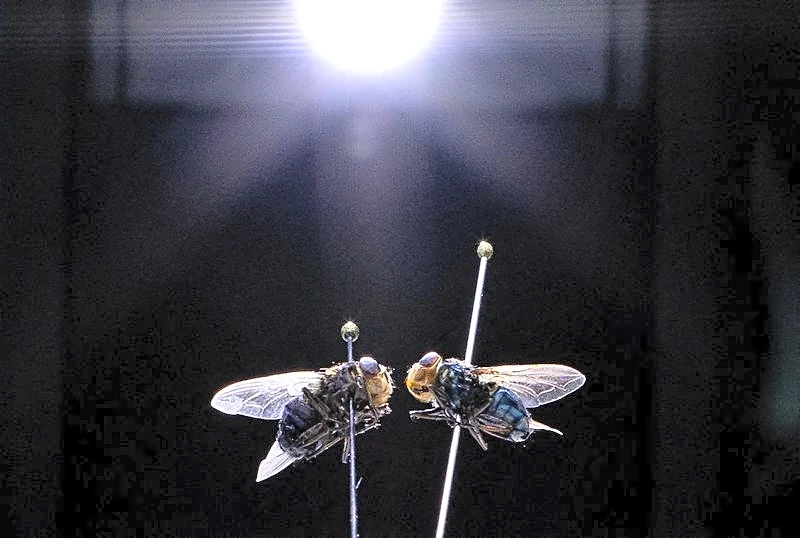
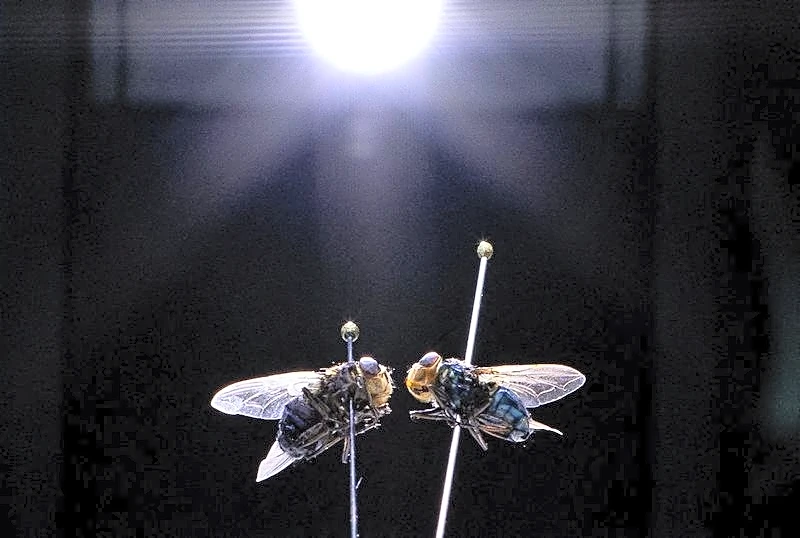
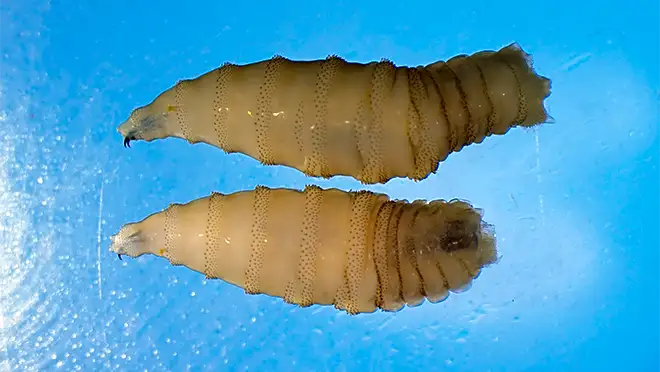
New World screwworm is a parasitic fly whose larvae, or maggots, feed on the living tissue of warm-blooded animals, according to the USDA. Unlike many other maggots that consume dead tissue, screwworm larvae invade healthy flesh.
Female flies lay eggs in wounds or natural body openings. After hatching, the larvae burrow into tissue and feed for about a week before dropping to the ground to continue their life cycle.
Can humans or pets get screwworm?
Yes, but human infections are uncommon.
USDA says screwworm can infect people, though cases are much rarer than those involving livestock, wildlife and pets. Dogs and cats can also be affected. Any wound, incision, bite injury or skin lesion can give flies a place to lay eggs.
Pet owners should watch for:
- Maggots in wounds
- Foul odors
- Swelling or draining wounds
- Excessive licking or scratching
- Lethargy or unusual behavior
Should people worry about food safety?
Not according to the USDA.
The agency says screwworm is not a food-safety issue and is not spread through meat, poultry, dairy products or other foods. Instead, infestations occur when a screwworm fly lays eggs in a wound or body opening.
How do I report a suspected case? Signs, symptoms
Suspected cases of New World screwworm can be reported on USDA's website. Officials are urging hunters and others spending time outdoors in affected areas to look for:
- Maggots (larvae) in wounds or body openings
- Open, draining, or expanding wounds
- Foul-smelling injuries
- Animals that appear weak, lethargic, isolated, or distressed
- Infestations around the nose, mouth, ears, eyes, or genital areas
Infected animals may appear weak, stop eating, isolate themselves from others or show signs of pain and distress, according to the USDA.
This article originally appeared on The Columbus Dispatch: Ohio risk level as flesh-eating screwworm parasite now found in wild