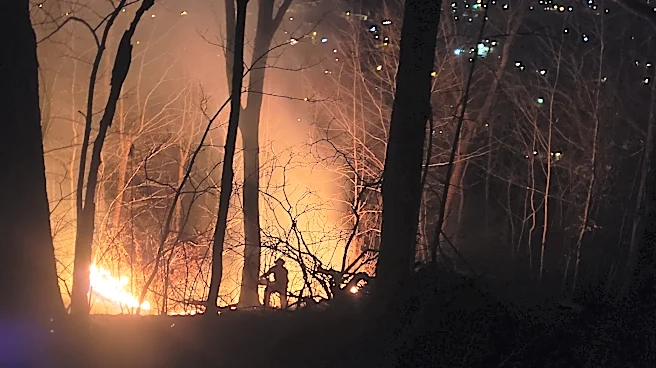






It's fall wildfire season in Ohio, and state officials are urging caution.
“It doesn’t take much for a debris fire to escape and become a wildfire, especially when conditions are dry,” said Dan Balser, Division of Forestry chief with the Ohio Department of Natural Resources
. “Following Ohio’s burning regulations and taking a few basic safety precautions can help protect your property, your neighbors, and Ohio’s forests.”More than 16,000 large wildfires between 1984 and 2024 have burned more than 179 million acres, an area larger than Texas, according to USA TODAY. And by the early 2020s, the average acres burned each year had nearly tripled compared to the 1990s.
Here's what to know about state regulations and how to prevent an accidental wildfire.

What Ohio law says about outdoor burning in October and November
Ohio restricts outdoor burning in October and November because of the increased risk of sparking a wildfire during the fall.
The law prohibits outdoor burning in unincorporated areas from 6 a.m. to 6 p.m. during October and November.
Why is outdoor burning prohibited in Ohio during the fall?
Burning is restricted in the fall due to the abundance of dry grass, weeds and leaves on the ground. Gusty winds and low humidity can make a seemingly safe fire burn more intensely and escape control, per ODNR.
What to do if a fire gets out of control
If a fire escapes control, ODNR says to contact the local fire department immediately. An escaped wildfire, even one burning in grass or weeds, is dangerous.
ODNR tips to safely burn outdoors and items that should never be burned
If you are going to burn outdoors, the ODNR Division of Forestry offers these safety tips for burning debris:
- Know current and future weather conditions
- Have tools and water on hand
- Never leave a debris burn unattended
- Be informed about state and local burning regulations
- Consult the local fire department for additional information and safety considerations
- Visit the Ohio Division of Forestry’s website and Firewise.org for more information and tips on protecting your home and community
- Consider safe alternatives for debris disposal, such as composting
- Use a 55-gallon drum with a weighted screen lid to provide an enclosed incinerator
Residents should also check the Ohio Environmental Protection Agency’s open burn regulations prior to any outdoor fire and consult with local fire officials about burning conditions in the area.
Food waste, dead animals, and materials containing rubber, grease, asphalt, or petroleum should never be burned. Violators of Ohio’s burning regulations are subject to citations and fines.
How to help prevent accidental wildfires
Residents can take measures to prevent accidental wildfires, including avoiding burning trash and debris, keeping grass trimmed, not discarding cigarettes and other smoking materials outside, postponing fireworks, and avoiding open cooking fires or campfires. Additionally, farmers should regularly check their equipment for any irregularities that can lead to a brush or crop field fire.
This article originally appeared on The Columbus Dispatch: Ohio fall burn ban starts Oct. 1, but these items should never be burned