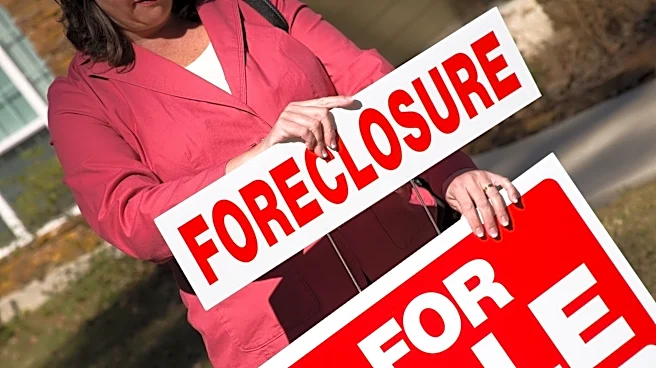







When it comes to foreclosure rates, Ohio is a study in contrasts.
While Youngstown and Cleveland have the nation's highest rates of zombie foreclosures, Columbus and several of its affluent suburbs are thriving, one recent study on foreclosure risk found.
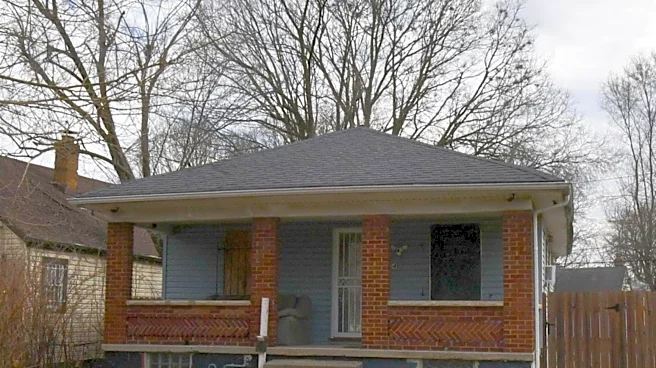
Zombie foreclosures are homes in the foreclosure process that have been abandoned by their owners. At 10.1% and 9.5%, Youngstown and Cleveland rank first and second among all U.S. metropolitans for their share of vacant foreclosures, according to an August study by cash-home-buying company NestCash.
Meanwhile, when it comes to general foreclosure risk, the Columbus area – plus the Cincinnati metro and some other wealthier suburbs – are regarded as "the safest ground in the state," the study reports.
Franklin County grades more moderate, but Delaware County in particular ranks the third-lowest-risk Ohio county, with the state's lowest delinquency rate at 0.2%.
Taken as a whole, Ohio ranks second among all states for total zombie-foreclosure volume and eighth for overall foreclosure rate, with one filing per 495 housing units, according to the study.
NestCash's foreclosure risk index uses a formula with four variables: market softness – or the share of active home listings that have a price cut and the median days a home sits on the market – the share of owners who spend over 30% of their household income on housing, the mortgage delinquency rate and unemployment.
Each of the 80 ranked Ohio counties were assigned a score from zero to 100, with low foreclosure risk considered anything under 44; moderate foreclosure risk between 44 and 49.9; and elevated foreclosure risk 50 and above. Eight Ohio counties were not ranked because they have fewer than 12,000 homes.
Here's what else the study revealed about Ohio's foreclosure risk.
Old industrial cities and Appalachia are vulnerable
Cuyahoga, Montgomery, Mahoning and Lucas counties – home to Cleveland, Dayton, Youngstown and Toledo, respectively – carry the metropolitan risk in Ohio, the study found.
With risk indexes between 50 and 60, these metros were once great manufacturing centers that saw decades of decline and have been unable to regain their industrial strength, leaving behind aging housing stock and thin household finances, according to the study.
The rural Appalachian southeast, including Adams, Carroll, Hocking, Pike, Athens and other hill counties along the Ohio River, paints a similar, if even riskier picture. Adams County specifically leads the state with a risk index of 67.4. The study attributes the region's vulnerability to a combination of low incomes and high housing cost burdens.
"Read [it] as the affordability squeeze in Ohio’s most economically distressed region, a real and long-standing condition, rather than as a wave of missed payments already underway," the report states.
Firmest footing in western, central Ohio
As logic would suggest, Ohio's wealthier suburbs are considered at the lowest risk of foreclosure.
The study reports that Columbus is part of that "prospering middle," though some of the counties with the lowest risk indexes, as low as 22, are Van Wert, Hancock, Warren and others situated on the western side of the state. There are a handful of low-risk counties in central Ohio, including Licking, Knox, Union, Madison and Delaware, which has the third-lowest risk index at 23.6.
"The pattern is consistent: where the modern Ohio economy is concentrated, foreclosure risk is low," the report states. "Where it is not, in the old factory towns and the rural hills, the risk is high."
Reporter Emma Wozniak can be reached at ewozniak@dispatch.com or @emma_wozniak_ on X.
This article originally appeared on The Columbus Dispatch: Ohio has worst places in nation for 'zombie foreclosures,' report finds