



Voters will choose between two candidates in a race for Franklin County probate judge.
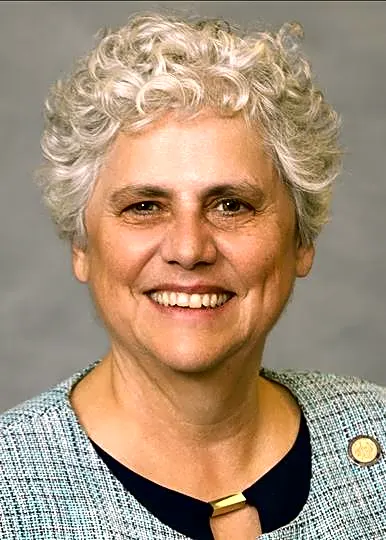
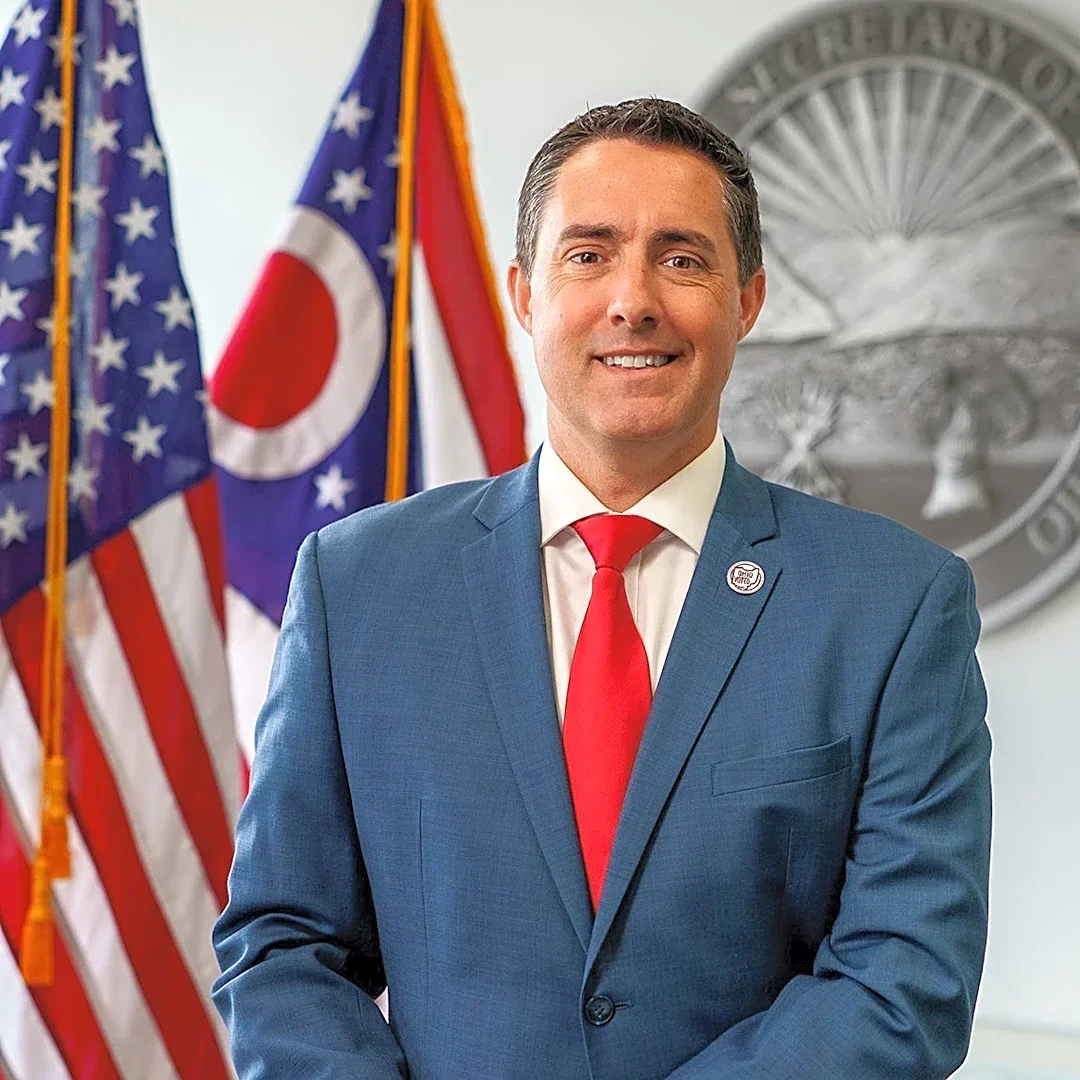
Democrat Kelly Green, the court's chief magistrate, is running against Republican attorney Chris Junga.
The probate court has authority over adoptions, birth certificate corrections/delayed birth certificates, civil, estates, guardianships, involuntary civil commitments, minor settlements, name changes, trusts, and other miscellaneous cases. It also issues marriage licenses.
Ohio's general election is Nov. 3, with polls open from 6:30 a.m. to 7:30 p.m. Voters also may cast their ballots early at the Franklin County Board of Elections, located at 1700 Morse Road.
The information below was supplied by candidates responding to a questionnaire. The Dispatch only edited
responses for length or clarity.
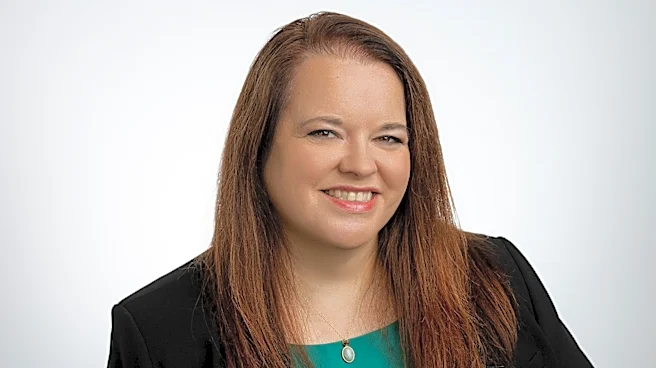
Kelly Green

Age: 49
Party: Democrat
Campaign website: KellyGreenForJudge.com
Background: Kelly Green serves as chief magistrate of the Franklin County Probate Court, where she has been a magistrate since 2010. She previously served as a staff attorney for the Franklin County Court of Common Pleas, General Division. Kelly Green earned a Bachelor's degree in sociology from Ohio University and a law degree from New England School of Law in Boston. She has not previously held elected office.
Why are you the best candidate? I am running for Franklin County Probate judge because I believe my experience has prepared me to lead this court. I have devoted the last 16 years of my career to the Franklin County Probate Court, presiding over virtually every type of case that comes before it and developing a deep understanding of the law and the people the court serves. As chief magistrate, my experience extends beyond the courtroom. I help lead the court’s day-to-day operations, supervise approximately 70 employees, help manage a multimillion-dollar budget, and oversee court and clerk operations. I have also helped lead efforts to modernize the court, improve access to justice and strengthen community partnerships. Probate law and public service have become the focus of my career. My combination of probate experience, judicial experience and court administration has prepared me for the full responsibilities of probate judge. I would be honored to continue serving the people of Franklin County in that role.
What do you see as the most important aspect of the role of a judge in the probate court and why? After 16 years serving as a magistrate in the Franklin County Probate Court, I have seen how profoundly this court can affect people’s lives. I believe the most important role of a probate judge is to ensure that every person who comes before the court is treated fairly, with dignity and respect, and that decisions are made impartially and according to the law. Probate Court touches people at some of the most significant and difficult moments of their lives, after the death of a loved one, during a mental health crisis, when someone needs a guardian, or when a family is formed through adoption. Those cases require a judge who understands the law, listens carefully and recognizes the real-world impact of the court’s decisions. The judge must also ensure that the court itself is accessible, efficient and worthy of the public’s trust.
Can you describe your approach to the bench if you are elected to the probate court? My approach to the bench would reflect what I have learned during 16 years of hearing probate cases: be prepared, listen carefully, know the law, treat people with dignity and respect, and never forget that the decisions made in Probate Court have real consequences for individuals and families. I would approach each case individually and impartially, apply the law consistently and explain decisions as clearly as possible. Probate cases often involve grief, family conflict, mental health crises or difficult decisions about a loved one. A judge must understand both the law governing those cases and the responsibility that comes with making those decisions. As chief magistrate, I have also learned that leading the Probate Court extends beyond the courtroom. I would continue working to make the court efficient, accessible and responsive while ensuring that its staff and resources serve the public effectively.
How have your past experiences prepared you for the position of probate judge? My career has prepared me specifically for the work of a probate judge. I have served as a magistrate in the Franklin County Probate Court for 16 years, including the last five as chief magistrate, and have presided over virtually every type of case that comes before the court, including estates, guardianships, adoptions, trusts, civil litigation and involuntary mental health commitments. As chief magistrate, I help oversee court operations, supervise magistrates and staff, develop court rules and policies, manage a high-volume docket and help administer a multimillion-dollar budget. I also led the court’s transition to electronic filing for all case types. My probate experience extends statewide. I have trained new probate magistrates and judges, developed probate educational materials and participated in statewide probate law and modernization efforts. I am prepared to lead the Probate Court because I understand both its law and its day-to-day operation.
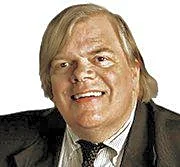
Chris Junga

Age: 52
Party: Republican
Campaign website: ElectJungaJudge.com
Background: Chris Junga is a veteran trial attorney with more than 25 years of legal experience in criminal, civil and probate-related matters. He has tried more than 100 jury cases to verdict and currently practice law in Central Ohio, representing individuals, families and businesses. Earlier in his career, Chris Junga spent 12 years in public defense and later served as chief public defender in two Ohio counties, managing attorneys and staff. He earned a bachelor's degree in political science from the University of Toledo in 1997 and a juris doctor from the University of Toledo College of Law in 1999.
Why are you the best candidate? Probate Court needs to be more responsive and accessible to the people it serves, a change from the status quo. Probate needs a judge who understands both sides of the job: sound legal decisions as well as leading a court that moves cases along without delays; being accessible and responsive to the needs of those who come before it. I bring more than 25 years of real courtroom experience and a career spent representing actual clients who depended on the legal system working fairly and efficiently. I bring executive leadership from serving as chief public defender in two Ohio counties, where I managed attorneys, staff, budgets and operations. I bring an outside perspective and a practical, blue-collar, get-it-done approach to leading the court. Public service requires accessibility, communication and respect for each person who enters court. Probate Court serves people navigating the court on deeply personal matters, often without an attorney. They deserve a user-friendly court, timely decisions and a court focused on solving problems rather than adding unnecessary delay or uncertainty.
As the endorsed candidate of the Fraternal Order of Police and Columbus Education Association, I am honored by their recognition of my qualifications as the best candidate.
What do you see as the most important aspect of the role of a judge in the probate court and why? I believe the most important responsibility of a probate judge is ensuring that people can access the court, understand the process and receive timely, fair resolution when they need help most. Probate matters are personal. Families may be grieving a death, protecting a vulnerable loved one or navigating the process without an attorney. My experience representing actual clients has taught me that people need more than just knowledge of the law and the status quo. They need clear communication, personal attention, predictable processes and confidence that their matter is moving forward. That is especially important for pro se litigants who may be trying to navigate the system alone. A probate judge should make the court easier, not harder, to use. I would prioritize accessibility, responsiveness and efficient case management so represented and unrepresented litigants alike are treated with dignity, know what to expect and receive the service they deserve.
Can you describe your approach to the bench if you are elected to the probate court? My philosophy is simple: Get things done – listen, make the decision, explain it clearly, and keep the work moving. Probate Court should be responsive and efficient. When something needs attention, I will roll up my sleeves, take responsibility and get it done without delay. My approach would be open, accessible, prepared and practical. Every person before the court will be treated with dignity, listened to carefully and given a clear understanding of what happens next. Decisions should be grounded in the facts and the law, applied consistently and without favoritism. The probate judge is responsible for how the entire court operates. That means being visible, available and willing to address problems directly rather than allowing delays or confusing processes that has unfortunately been the accepted practice. I would maintain an open-door leadership style with attorneys, staff, community partners and the public while preserving the independence required of the judiciary.
How have your past experiences prepared you for the position of probate judge? My career has prepared me for both major responsibilities of a probate judge: deciding cases and leading as an administrator of a public office. For more than 25 years, my extensive legal experience has taught me to listen carefully, prepare thoroughly, make difficult decisions, communicate clearly and remain steady when the stakes are high. I served as a chief public defender during COVID and proudly kept the office open, working and moving cases along, all while providing for the safety of my staff. There, I managed the overall operations, taxpayer resources, recruited and trained employees, improved office processes and efficiently managed a taxpayer budget. Private practice has added another perspective: understanding what clients and families experience when they depend on the legal system for answers. Together, these experiences have prepared me to lead a fair, efficient, accessible and responsive Probate Court for Franklin County from day one.
This article originally appeared on The Columbus Dispatch: Meet the candidates in the Franklin County Probate Court judge race