

Talor Musil is the field manager of the nonpartisan nonprofit Environmental Health Project.
Where will our children learn to love the natural world if we pollute our parks?
My nephew, just old enough to have a running stride wide enough to chase fireflies, is already a lover of nature.
He picks up millipedes excitedly to count their legs, fearlessly climbs large rocks along hiking paths and names the colors of flowers he sees in the woods. We gather at Salt Fork State Park in Guernsey Countyfor our nature outings. But these magical childhood experiences may be ruined by the increasing presence of hydraulic fracturing, commonly known as fracking, across Ohio’s parks.
A terrible decision will cause real harm
The Ohio Oil and Gas Land Management Commission on July 29 approved fracking on more
than 15,000 acres of public land, including 513 acres in Salt Fork State Park.
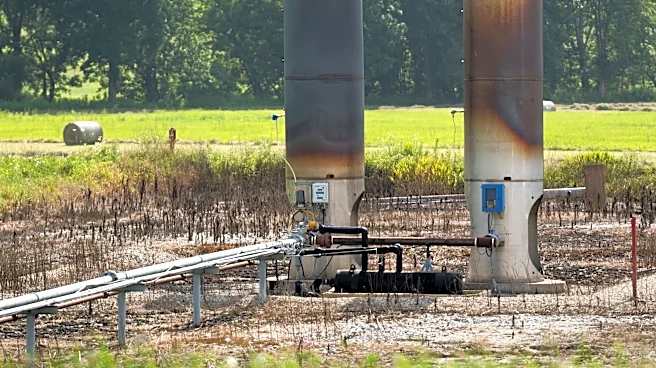
This decision is bad news for the park and those who use it because dozens of epidemiological studies on the health risks of the oil and gas industry make one thing clear: There is no way to safely frack gas.
The commission’s approval flies in the face of science and ignores very real harm experienced by people living near fracking sites.
Exposure to fine particulate matter, toxic volatile organic compounds and other air pollutants released by fracking can lead to a range of negative health impacts, including asthma attacks, stress and depression, pregnancy complications, heart disease and cancer. Not to mention the enormous amounts of radioactive fracking waste that put communities at further risk through water and soil contamination.
We will continue to push back

Will my nephew, who currently uses an inhaler twice a day, be able to play in Ohio parks if they are full of asthma-inducing air pollutants from new fracking wells?
Protecting the beauty of Ohio’s parks and the health of those who explore them is possible.
That’s why my public health nonprofit, the Environmental Health Project, teamed up with Save Ohio Parks and local attorney and entrepreneur Austin Warehime to monitor Guernsey County air quality and educate community members about the health impacts of fracking.
We don’t currently have the data to know the direct impact of fracking on localities because the existing monitoring network is sparse and doesn’t provide relevant information related to episodic exposures that can happen around fracking activities. We cannot expect leaders to make decisions without data, so this project is one way to provide them with data they can use to make sound and objective decisions.
We call on our policymakers and environmental regulators to keep the health and well-being of our children, neighbors and friends in mind when deciding where fracking can take place in Ohio.
For the sake of kids like my nephew – and nature lovers of all ages – it is important to understand fracking’s impact on health and what we can do to protect Ohio’s parks.

Talor Musil is the field manager of the nonpartisan nonprofit Environmental Health Project, headquartered in Pittsburgh, PA. Since 2012, EHP has worked to defend public health in the face of oil and gas development.
This article originally appeared on The Columbus Dispatch: Fracking may kill my nephew's wonder. We can't ignore real harm it does | Opinion