


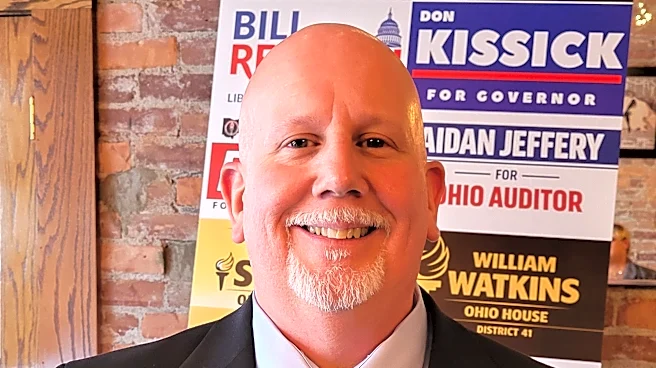

Voters will choose between two candidates in the race for the Ohio Senate 3rd District, where Sen. Michele Reynolds is running for reelection.
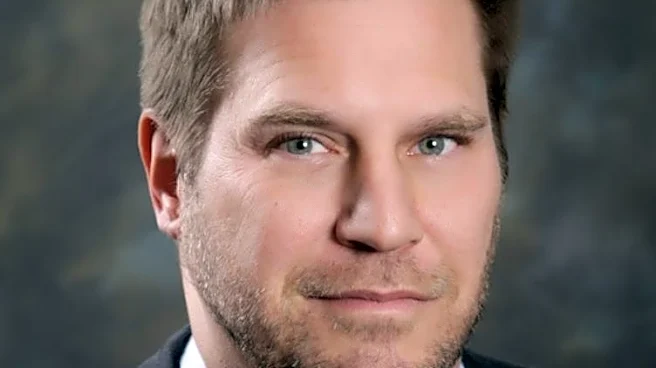
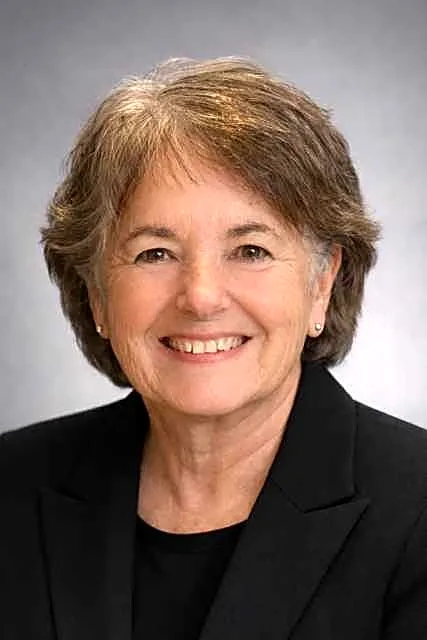
Reynolds, R-Canal Winchester, faces a challenge from Democrat Stacie Baker.
The district, drawn to favor Republicans, wraps around the southern outskirts of Franklin County, including parts of Reynoldsburg, Groveport and Grove City and extending south to Circleville and west to London. Dave's Redistricting App rates the district as 54.6% Republican compared with 44.6% Democratic.
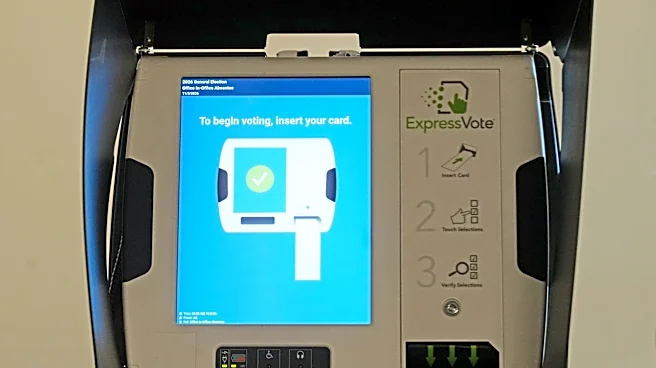
Ohio's general election is Nov. 3, with polls open from 6:30 a.m. to 7:30 p.m. Voters also may cast their ballots early at the Franklin County Board of Elections, located at 1700 Morse Road.
The information below was supplied by
candidates responding to a questionnaire. The Dispatch only edited responses for length or clarity.
Michele Reynolds

Age: 52
Party: Republican
Campaign website: MicheleReynolds.org
Background: Michele Reynolds is a state senator, nonprofit executive, business owner and faith leader with more than three decades of service to central Ohio families and communities. Previously, she served as a Madison Township trustee and director of the Governor’s Office of Faith-Based and Community Initiatives. Reynolds holds earned degrees from the University of Cincinnati, University of Akron, Thomas Jefferson School of Law and University of Dayton School of Law, as well as honorary degrees recognizing her public and community service. In the Senate, Reynolds chairs the Housing Committee, serves as vice chair of Judiciary and Workforce Development, and serves on the Agriculture and Small Business committees.
Why are you the best candidate? I know this district and understand what makes it unique. Senate District 3 brings together growing suburban communities, small towns, rural communities and some of Ohio’s most productive farmland. Representing it well requires understanding that one size does not fit all. I bring experience from nearly every side of the issues facing our residents, as a mom, business owner, nonprofit leader, former township trustee and now state senator. I understand what it means to create jobs, balance budgets, serve people in crisis, respond to constituents and make decisions that affect people’s lives. During my first term, I have focused on the issues Ohioans feel every day: affordability, property taxes, housing, public safety, workforce development, education and economic opportunity. I have worked across the aisle and with local leaders to turn community needs into real solutions. Leadership is about more than passing legislation. It is about showing up, listening, being accessible and following through. Public service is about putting people first, solving big problems and delivering results. I’ve built a reputation on delivering results and will keep working to earn the trust of constituents. That combination of experience, understanding and proven results is what I bring to representing this unique district.
What is your plan for addressing rising property taxes? Rising property taxes are putting real pressure on homeowners, especially seniors and families who have lived in their homes for decades. Ohioans should not be taxed out of their homes simply because property values around them have increased. I was proud to vote for the legislation that delivered $3.2 billion in property-tax relief for Ohioans, including additional relief for seniors and homeowners who qualify for the Homestead Exemption. But I know families are still feeling the pressure, and our work is not finished. I will continue pursuing reforms that protect homeowners from unexpected tax spikes, strengthen relief for seniors and those on fixed incomes, and bring greater accountability to property-tax growth. At the same time, we must protect the funding our schools and essential local services depend on. The goal is simple: homeownership should provide stability and security, not become unaffordable because of an unexpected property-tax bill.
What policies would you pursue – if any – to help address the shortage of housing in central Ohio? Addressing central Ohio’s housing shortage requires increasing supply, investing in infrastructure and helping working families afford homes near their jobs. As chair of the Senate Housing Committee, I traveled statewide to hear from residents, employers and local leaders, helping shape a comprehensive housing report and legislative solutions. I supported $100 million for rural housing infrastructure and $25 million for Residential Economic Development Districts to encourage housing near growing job centers. I also supported expanding Welcome Home Ohio and restoring the Ohio Housing Trust Fund. I will build on these efforts by expanding workforce housing, supporting infrastructure for more homes and increasing homeownership opportunities. I will work with local leaders to ensure growth respects community character, protects farmland and gives residents a voice in development decisions.
What, if any, role should the state gov have in regulating data centers? Do they have a place in your community or not? Data centers can have a place in our district when they are appropriately located, supported by adequate infrastructure and provide clear benefits to the community. I am not opposed to data centers, but residents’ concerns about land use, energy demand, water and community character must be taken seriously. State government should establish minimum standards that protect residents, ensure reliable utilities and hold developers accountable while preserving local zoning authority. Communities and their elected officials must have a strong voice in deciding where these projects belong. Data centers should pay their own way without shifting infrastructure and energy costs onto families or overwhelming our electric grid. They must also meet strong environmental and water-quality standards. My approach is to support economic opportunity while ensuring development respects farmland, neighborhoods and the needs of the people who already live there.
Stacie Baker

Age: 44
Party: Democrat
Campaign website: StacieBakerForOhio.org
Background: Stacie Baker was born and raised in Central Ohio, graduated with a Bachelor's degree from The Ohio State University, obtained a Master's degree in public administration from Ohio University and has served as a council member for the City of Reynoldsburg, Ohio, since 2017, as well as the city's representative on the West Licking County Joint Fire District Board. Baker is a public servant with 16 years of experience working for the residents of Franklin County as a Franklin County government employee.
Why are you the best candidate? I am the best candidate for Ohio Senate District 3 because I am committed to introducing innovative ideas that will benefit all Ohioans. Serving three terms (2017, 2021, 2025) on Reynoldsburg City Council reflects my dedication to transformational leadership and advancing the city's future. I plan to bring that same energy and commitment to the state level as the next Ohio senator for the 3rd District. Serving the community is at the heart of my approach and putting the needs of people ahead of special-interest groups and corporations. As your next Ohio state senator, I will work for Ohio's best interests, focusing on workforce development, infrastructure, safety, property tax relief, economic growth, improving health care and stronger funding for public education and child care. My personal and professional experiences have equipped me with the skills and understanding needed to be an effective senator and connect with families across the district. When elected to the Ohio Senate, I am confident that my legislative expertise and leadership will help us "Move Ohio Forward Together."
What is your plan for addressing rising property taxes? My plan is to increase the homestead and owner-occupied property tax credit. Right now, the state Legislature only made a modest increase from $25,000 to $29,000 in the state's biennial budget for 2025. I want to increase the funding for these tax credits to the level of funding that the state of Texas has, which is $100,000. Also, I would lower the age to qualify for the homestead tax credit from 65 years old to 60 years old and increase the owner-occupied tax credit to 3.5% on taxpayer bills. Furthermore, fully funding public education will help take the pressure off homeowners having to vote on school levies that lead to increased property taxes.
What policies would you pursue – if any – to help address the shortage of housing in central Ohio? Yes, state government should play an important part in addressing the shortage of housing in central Ohio. One way to help address the housing shortage in the state of Ohio is to increase funding for the Ohio Housing Trust Fund (OHTF). The Ohio Housing Trust Fund was created to help improve housing affordability throughout the state of Ohio. In addition, the state of Ohio can provide incentives to entice housing developers to dedicate at least 30% of their housing units to affordable housing. However, the more affordable housing above the 30% threshold a developer creates, the greater the tax incentives would be. Another way the state of Ohio can help Ohioans is by passing source-of-income legislation. This kind of legislation would help protect Ohioans from being discriminated against by prohibiting landlords from refusing a potential tenant because of the kind of income a person earns. In the United States, 23 states have passed source-of-income laws to ban income discrimination.
What, if any, role should the state gov have in regulating data centers? Do they have a place in your community or not? Yes, with a temporary moratorium on large data centers, state government should have a role in regulating data centers. Just as the state of Ohio regulates liquor, tobacco and gambling, data centers require a lot of resources to operate, including land use, generated electricity and water sources. Furthermore, a temporary moratorium will provide an opportunity to put real, enforceable protections in place for our ratepayers, workers, water, farmland and neighborhoods. We need to use that time to bring organized labor, local communities, utilities and city governments together to set clear standards for responsible growth. In addition, there is a need for strict requirements for energy and water use and for real transparency and accountability. Also, "home rule" needs to be restored so local communities can have a say in decisions about how many data centers are located in their community.
This article originally appeared on The Columbus Dispatch: Meet the candidates in Ohio's 3rd Senate District race