



Voters will choose between two candidates in the race for Ohio House District 60, where incumbent Rep. Brian Lorenz is running for reelection.
Lorenz, a Powell Republican, faces a challenge from Democrat Shelby Kimball.
The district includes parts of southern Delaware County, including Powell, Lewis Center and the Polaris area. The 60th is drawn to favor Republicans. Dave's Redistricting App rates the district as 54.3% Republican compared with 44.9% Democratic.
Ohio's general election is Nov. 3, with polls open from 6:30 a.m. to 7:30 p.m. Voters also may cast their ballots early in-person at the Delaware County Board of Elections, located at 2079 US Highway 23 N Suite 4, or by absentee ballot.
The information below was supplied by candidates responding
to a questionnaire. The Dispatch only edited responses for length or clarity.
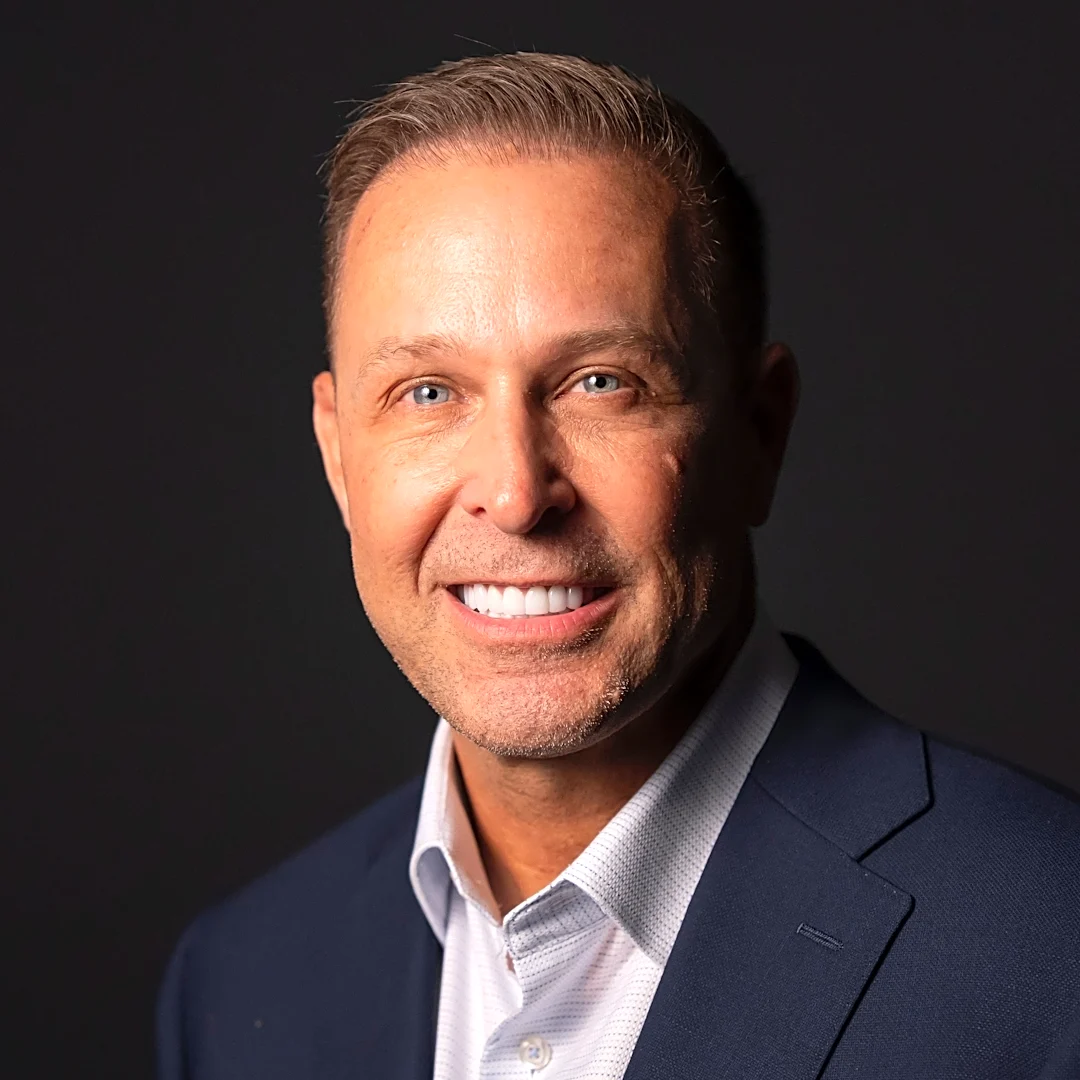
Brian Lorenz

Age: 53
Party: Republican
Campaign website: LorenzForOhio.com
Background: Brian Lorenz represents Ohio’s 60th House District in Delaware County. Before joining the Ohio House, he served the Powell community for nearly 15 years as a city council member and mayor. An urban planner for more than 30 years, Brian brings experience in community planning, housing and local government to his work at the Statehouse. He earned a Master’s degree in city and regional planning from The Ohio State University. Brian and his wife, Sue, have been married for 26 years. They are the proud parents of four children: triplet daughters Annie, Betsy and Charlotte, and their son, Henry.
Why are you the best candidate? I served Powell for nearly 15 years as a council member and mayor, and community service has shaped my work ever since. I know Delaware County because I’ve spent years listening to residents, working with local leaders and helping solve problems that affect families every day. That experience guides my work in the Ohio House. Since taking office in 2023, I’ve helped secure historic state funding for our local schools while working to bring resources back to Delaware County. County officeholders and local leaders support me because they’ve seen my commitment to the communities we serve. I believe decisions about local services and tax dollars belong as close to residents as possible. The people who live here should have a meaningful say in how their communities are run. Sending more of those decisions and dollars to Columbus moves us in the wrong direction. My years of service have taught me that representing a community takes relationships, accessibility and a willingness to do the work year after year. That’s the experience and commitment I bring to this role.
What is your plan for addressing rising property taxes? My plan is to lower property taxes while protecting the local services Delaware County families rely on. Since taking office, I’ve supported laws that limit sudden tax spikes, give county officials more authority to reduce excessive levies and expand relief for homeowners. No senior should be forced out of a longtime home because a tax bill rose faster than their income. That’s why I’ve sponsored legislation to expand the homestead exemption and provide meaningful relief to older homeowners. I’ve also sponsored legislation to eliminate property taxes on the homes of surviving spouses of service members killed in the line of duty. Families who have sacrificed so much deserve the security of staying in their homes. I’ve fought aggressively for state investment in our schools and career education. DACC’s board is asking voters to renew an existing levy at 0.75 mills instead of 1.7 mills, a reduction of more than half. Our schools, fire departments and other local services matter. I don’t believe the answer is to send their decisions and tax dollars to Columbus. My approach is to bring state resources home, help local leaders manage costs and make sure taxpayers can see what they’re paying for.
What policies would you pursue – if any – to help address the shortage of housing in central Ohio? I’ve spent more than 30 years as an urban planner, including nearly 15 years serving Powell as a council member and mayor. I also serve on the Ohio Housing Finance Agency board. I understand the need for housing people can afford, especially for young families, seniors and the people who work in our communities. I also understand why residents want a say in what happens near their homes. My approach starts with responsible planning. New housing should fit the community and be considered alongside the roads, schools, utilities and public safety services it will need. Growth must be managed properly, with local residents and leaders involved in those decisions. That’s why I believe so strongly in local control. I’m proud to have the support of local leaders across Delaware County, and I value the work we do together. We can meet changing housing needs while protecting what makes Delaware County the best county in the state.
What, if any, role should the state government have in regulating data centers? Do they have a place in your community or not? I’ve heard clearly from residents who do not want data centers in their communities. I agree that Columbus should not override local decisions and force these projects on Delaware County. Local officials and residents deserve the final say on whether a data center belongs here. The state’s job is to protect Ohioans from paying for them. I voted to remove special tax breaks for data centers, and I believe these companies must cover the full cost of the power, water, roads and other infrastructure they require. Families should not be stuck with higher utility bills or taxes so a data center can move in. If a project cannot earn local support and pay its own way, it does not belong here.
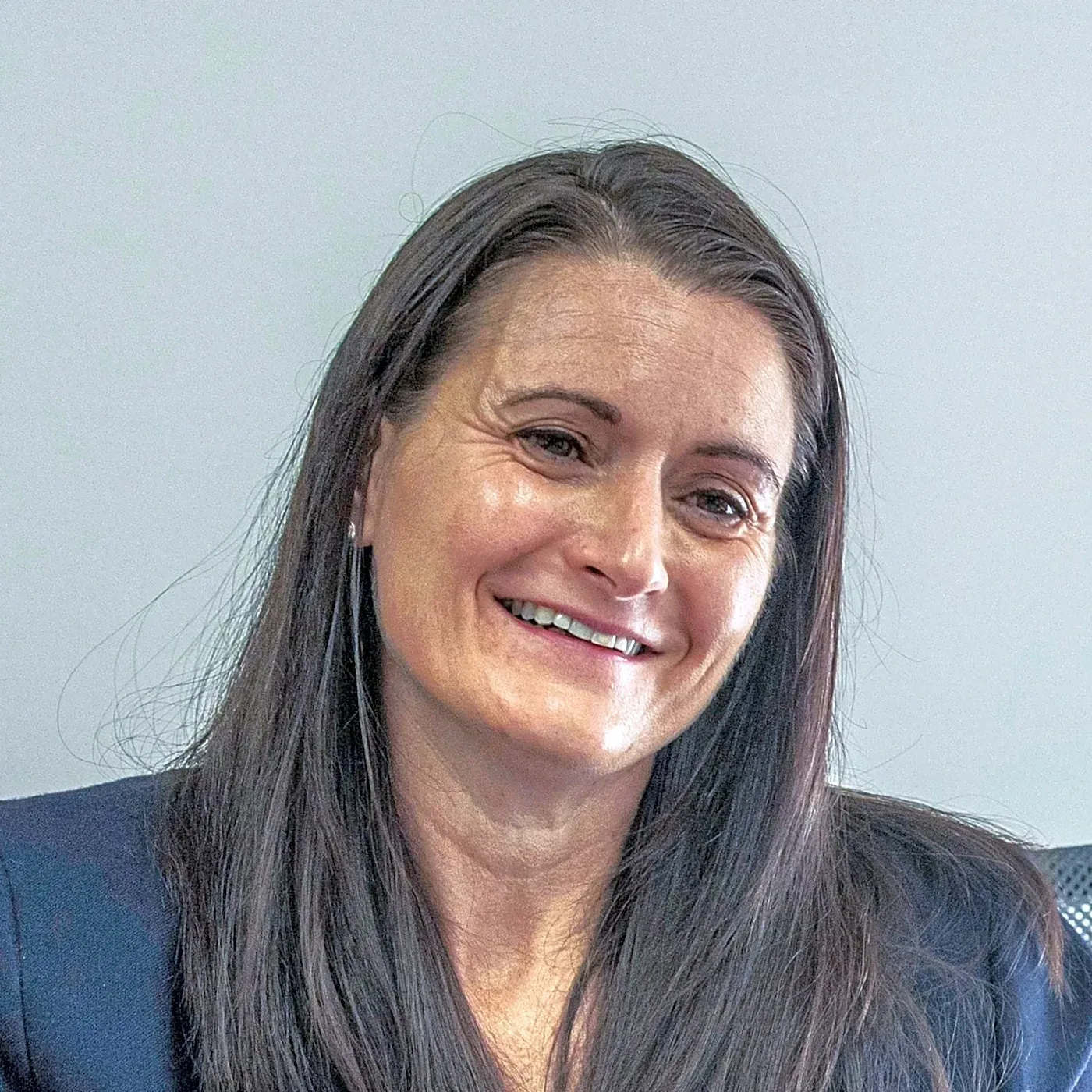
Shelby Kimball

Age: 34
Campaign website: KimballForOhio.com
Party: Democrat
Background: Shelby Kimball is a mom of four, a U.S. Marine Corps and Army veteran, and a recent graduate of The Ohio State University, where she received her degree in criminology with a minor in public policy. She's spent years navigating the same systems many Ohioans rely on: public schools, healthcare and economic support programs, which has shaped her commitment to practical, people-centered policy. Kimball has not held prior elected office, but her experience in service, leadership and advocacy has prepared her to step up and deliver real results for her community.
Why are you the best candidate? I’m the best candidate because I understand firsthand the systems I’m running to fix. As a mom of four and a veteran, I have experience with systems like our public schools and healthcare that most Ohio families engage with daily. I also am no stranger to economic uncertainty. I don’t have to guess at how these systems can be improved or how economic instability affects families … I know because I’ve experienced it. My military service taught me accountability, discipline and how to lead under pressure. In the Marine Corps, excuses don’t solve problems; preparation and follow-through do. That’s exactly how I’ll approach this role. I’m also not a career politician. I’m running because I saw where policy failed my family and others in our community, and I decided to step up and be part of the solution. I will show up, listen, do the homework and make decisions based on what actually helps people, not what helps corporations.”
What is your plan for addressing rising property taxes? High property taxes can, in large part, be attributed to the intentional underfunding of our public schools and local governments by our state government. As the state continues to strip funding away from public schools and local governments that fund our first responders, in order to maintain those services, the money has to come from somewhere. It comes from property tax increases. My plan is to shift toward a system where the state properly and fairly funds public education, using more stable, statewide revenue instead of relying on frequent local levies. At the same time, we need real, immediate relief. That means strengthening the homestead exemption so seniors and those on fixed incomes aren’t taxed out of their homes and creating targeted relief for low- and middle-income families, like income-based property tax caps or circuit breakers. I believe it’s also only fair that large corporations pay their fair share in taxes since the community is ultimately providing resources, infrastructure and a workforce for them. For too long, big businesses have received huge tax breaks that continue for decades after their facilities have been built and they’ve turned a profit. If we are asking every Ohio family to chip in, big businesses should be, too.
What policies would you pursue – if any – to help address the shortage of housing in central Ohio? State government definitely has a role to play because the housing shortage, specifically the affordable housing shortage, has become a burden for families across the state. While zoning decisions are local, the state can remove barriers and create incentives to increase supply. That starts with unlocking what we already have: vacant office and retail buildings that can be converted into housing with the right support. We should also incentivize communities to allow more housing options like townhomes and starter homes and invest in workforce housing so essential workers can afford to live where they work. This is about increasing supply in practical ways so families can actually afford to stay in their communities.
What, if any, role should the state government have in regulating data centers? Do they have a place in your community or not? State government should absolutely play a role in regulating data centers. As technology advances, they have a place in our communities, but only with strong, responsible oversight. Data centers can bring economic benefits, but they also place real demands on our energy grid, water supply and local infrastructure. That’s why the state must set clear standards to protect the environment, ensure sustainable resource use and prevent costs from being passed on to local communities. I support bipartisan efforts already underway in the Statehouse to create thoughtful regulations that balance economic growth with accountability. We can welcome innovation and investment, but not at the expense of our environment, our communities or the people of Ohio.
This article originally appeared on The Columbus Dispatch: Meet the candidates in Ohio's 60th House District race