


Laura Mishne Heller is an assistant professor in the social sciences at Wilmington College.
For 59 minutes and 59 seconds, I was prepared to celebrate.
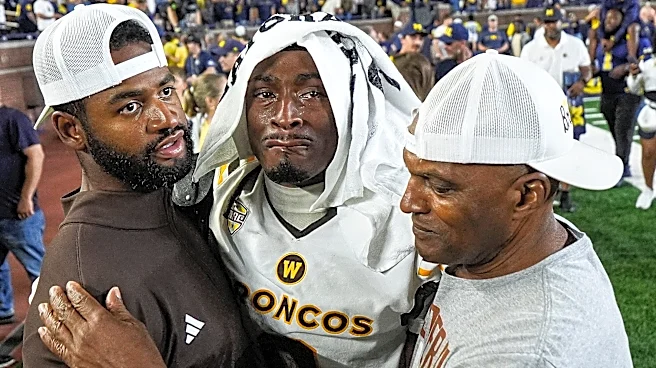
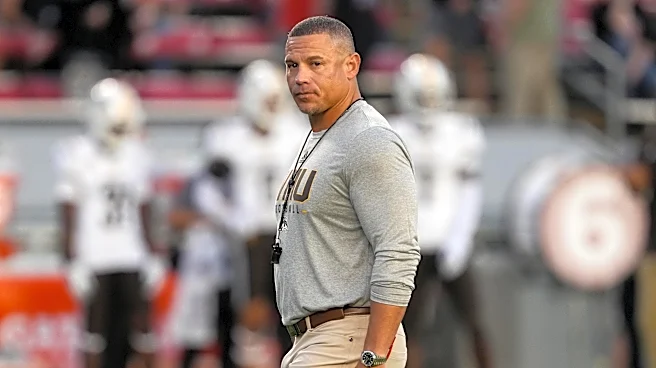
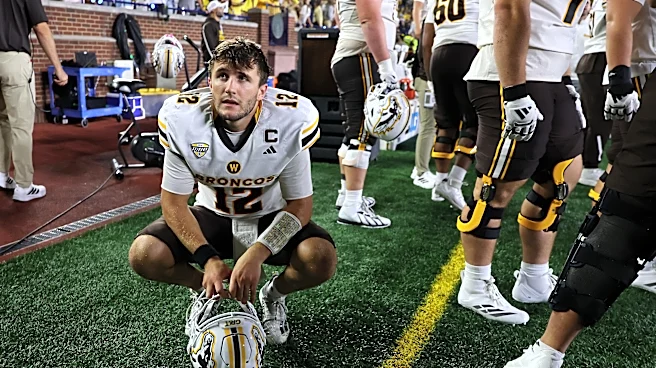
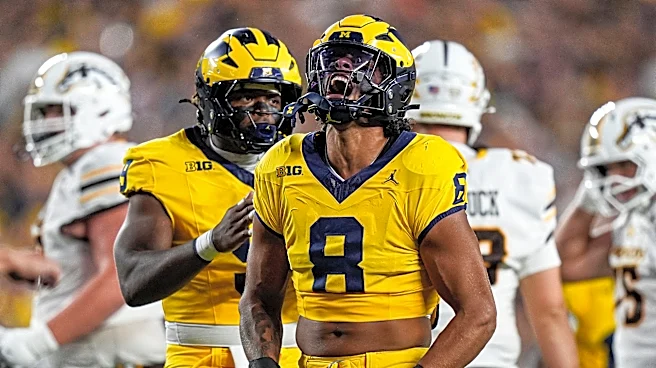
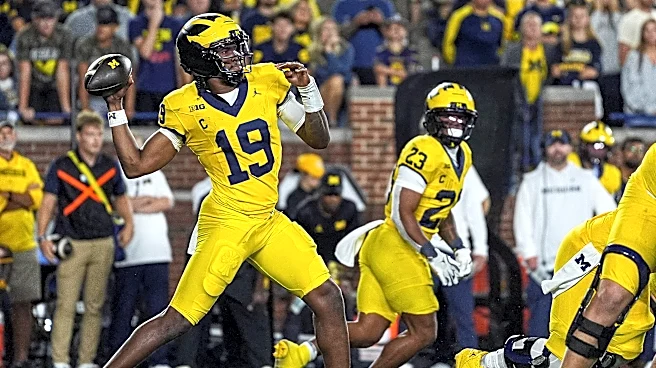
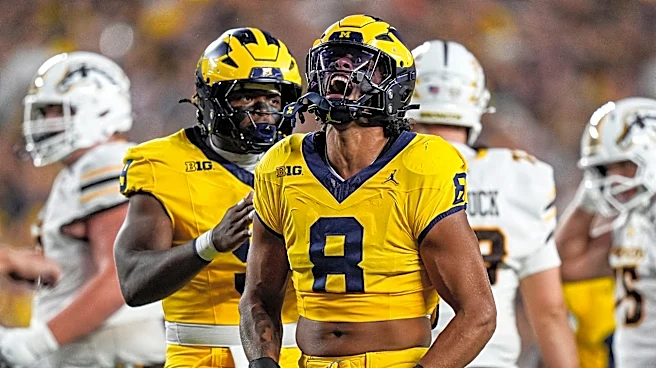
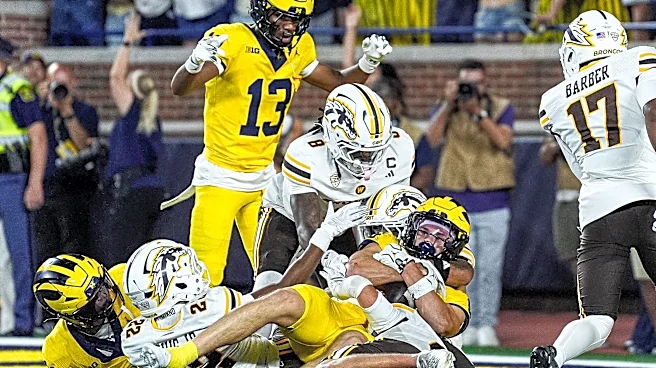
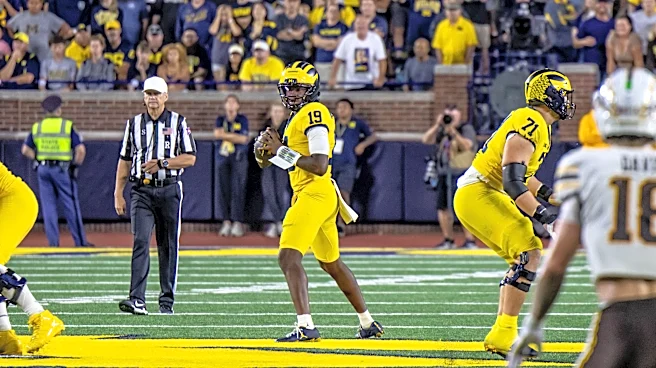
Western Michigan was leading Michigan, 12-7, when Michigan quarterbackBryce Underwood launched what appeared to be one final Hail Mary. The pass fell incomplete. The clock read 0:00. The Broncos began celebrating. Game over.
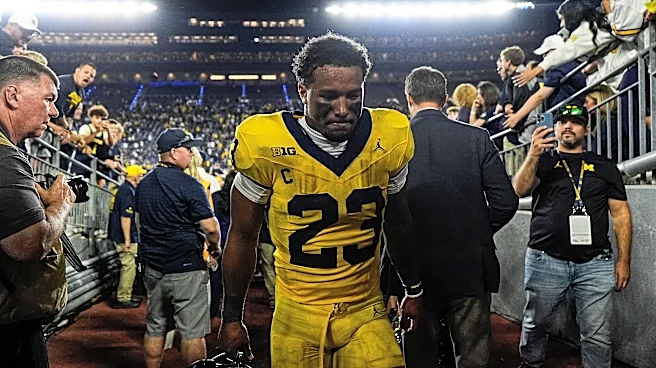
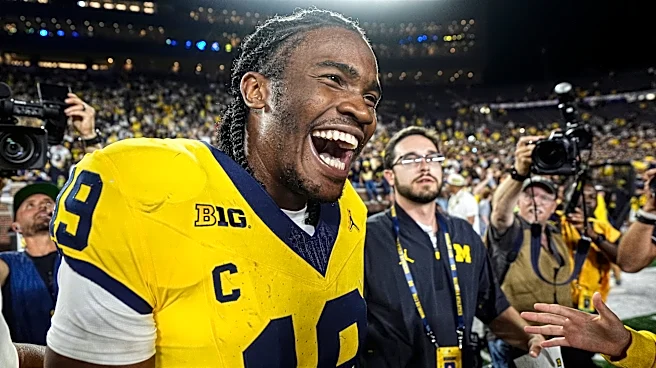
Except it wasn’t. After a replay review, officials put one second back on the clock. Michigan got another chance, and this time, Underwood connected with JJ Buchanan for a touchdown. Michigan 13. Western Michigan 12.
Apparently, there was one second left. I disagree. Wholeheartedly. Somewhere, I am sure, there is a Michigan fan already pulling up the replay, prepared to explain
to me, probably frame by frame, why that second absolutely existed. Fine.
Go ahead, disagree with me.
You can show me the replay. I can remain unconvinced. We might never agree. And somehow, we will both survive.
That is entirely the point.
Disagreement isn't the problem, but there is one
Disagreement is part of being human. We disagree about sports, parenting, relationships, and what belongs on a pizza. We also disagree about things carrying far greater consequences: politics, public health, race, religion, guns, immigration, and what we want our communities to become. The problem isn’t that we disagree. I wonder if the problem is how we have learned to do it.
Research across families, relationships, classrooms, and workplaces points toward something surprisingly simple: Disagreement itself isn’t necessarily the problem.
What matters is how we disagree. Cooperative approaches, such as listening, problem-solving, and seeking to understand the other person’s perspective, tend to produce better outcomes than contempt, domination, or avoidance. In other words, disagreement is a skill. And skills require practice.
I see that practice in my classroom. Some of the most meaningful moments are not when everyone agrees.
They happen when someone says something difficult and another person pushes back. There is discomfort, maybe even tension. Then someone asks, “Can you explain why you think that?” Nobody necessarily changes sides.
Nobody wins. But the conversation continues.
I have come to believe there is something important in those moments: Discomfort does not necessarily mean a conversation has failed. Sometimes it means the real conversation has finally started.

When everyone brings knives
Our broader culture often offers a different model. People aren’t simply wrong anymore. They are idiots. Traitors. Monsters. Fascists. Communists. Snowflakes. Extremists. Enemies. Our words have become as sharp as knives. And contempt is seductive because it gives us certainty. If the person across from me is stupid or evil, I don’t have to wonder why they believe what they believe. I don’t have to listen. I certainly don’t have to consider the uncomfortable possibility that they might know something I don’t.
Curiosity is harder. It asks us to stay engaged in a conversation when we would rather deliver the perfect comeback. It asks us to listen without confusing listening with agreement. It asks us to separate a person’s humanity from an idea we may find profoundly wrong. That doesn’t mean every disagreement should end with common ground. Some ideas deserve fierce opposition. Injustice demands confrontation. There are beliefs and policies with real consequences for people’s lives. “Let’s all just get along” isn’t an adequate response. But neither is contempt.
Maybe we have set the wrong goal for difficult conversations.
When winning isn't the goal
What if success isn’t agreement? What if it is remaining curious long enough to understand why another person sees the world differently, even when understanding doesn’t change our minds? Can I challenge your argument without questioning your humanity? Can I listen without preparing my rebuttal while you speak? Can I leave a difficult conversation without needing to win it?
Those aren’t questions about politeness. They are questions about how we live together.
Democracy doesn’t require agreement. It requires something more difficult: sharing communities, institutions, and futures with people who see the world differently. Maybe the art of disagreement isn’t disappearing.
Maybe we’re simply practicing the wrong parts of it. We have become very good at the comeback, the takedown, the label, and the certainty that the person across from us is the problem. Perhaps it’s time to practice something harder: curiosity, listening, discomfort, and staying engaged in the conversation.
So, to the Michigan fan with the replay queued up: Go ahead, disagree with me. I’m willing to listen to your argument.

Dr. Laura Mishne Heller is an assistant professor in the social sciences at Wilmington College, where her teaching and scholarship span social work, criminal justice, public health, and prison education. Her work focuses on how education, human connection, and access to opportunity can strengthen individuals and communities.
This article originally appeared on The Columbus Dispatch: Michigan fans are profoundly wrong about Western Michigan game. There's a lesson | Opinion