




Affordability remains a top concern for Ohio voters heading into the 2026 governor's race, and a new poll suggests that many see child care affordability as a major part of the problem.
The survey, conducted by UpONE Insights for Groundwork Ohio and the First Five Years Fund, found agreement across party lines that child care affordability is a problem, with voters linking it to both family finances and Ohio's workforce. Many also said state leaders should do more to address it.
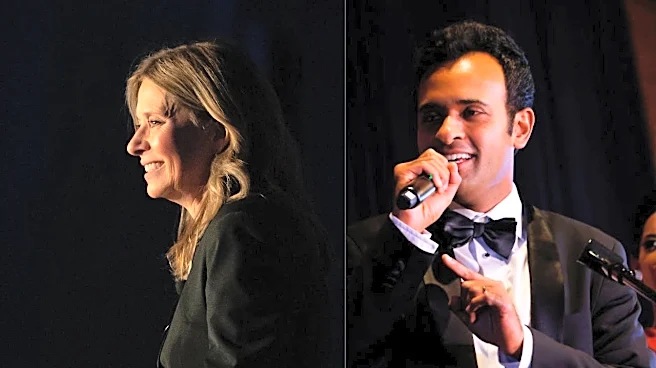
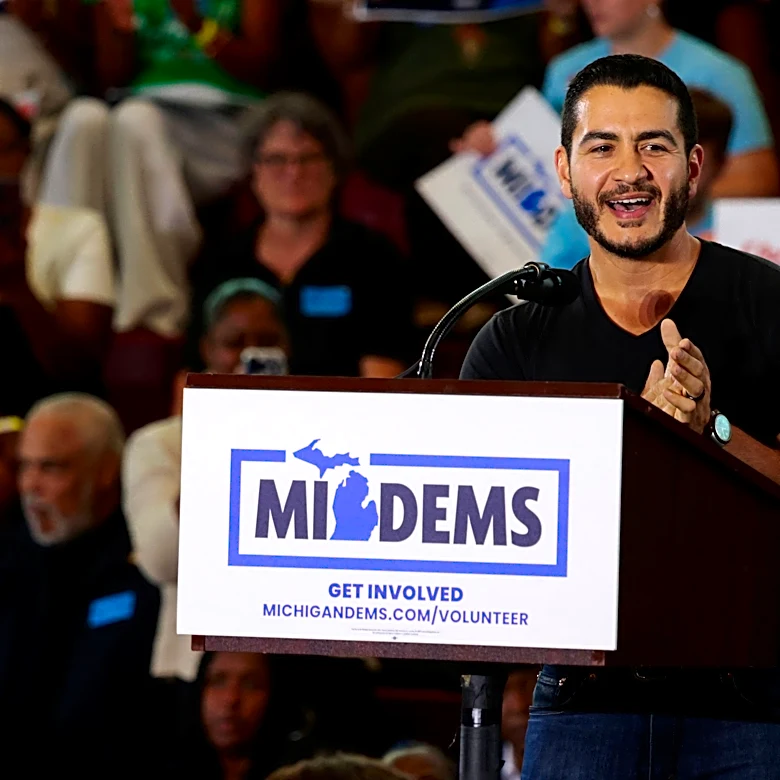
The findings come as candidates Amy Acton and Vivek Ramaswamy continue positioning themselves for the 2026 governor's race. Here's a breakdown of the findings.
Most Ohio voters say child care affordability is a problem
Finding and affording child care remains
a challenge for many Ohio families, according to respondents.
Eight in 10 poll respondents said child care costs are contributing to the nation's broader affordability crisis, while 64% identified lowering the cost of living as one of the two most important issues facing their families. Nearly three-quarters said a candidate's plan to support working families with young children would influence their vote.
More than three-quarters of respondents, 76%, said access to affordable, quality child care is a crisis or major problem. That view crossed party lines, including 62% of Republicans, 78% of independents and 94% of Democrats.
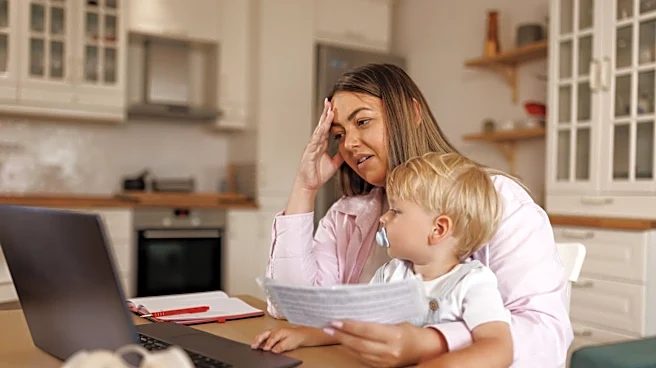
Among parents paying for child care, half say those costs prevent them from saving money or improving their financial situation. More than a third, 36%, said they're cutting back on other household essentials to afford care, while 33% said they're struggling to pay for it.
The cost is also affecting decisions about whether or not to have children, according to the poll. Nearly one in five Ohio voters, 19%, said they've delayed starting or expanding their family because of the cost of child care.
How child care could affect the Ohio governor's race
According to the poll, 72% of voters said a gubernatorial candidate's plans to support working families with young children could influence their vote. That includes 63% of Republicans, 69% of independents and 86% of Democrats.
The poll also found that 45% would be less likely to support a candidate for governor if a funding gap caused thousands of children to lose access to child care. Among independents, that figure rises to 53%.
Many Ohio voters see child care as an economy, workforce issue
Nearly three-quarters (74%) of respondents said expanding access to child care would strengthen Ohio's economy and workforce.
Seven in 10 support government-funded child care assistance for eligible working families, while 34% say they or someone they know would consider entering the workforce if quality child care were available. Among parents, that number rises to 53%.
Voters back federal child care funding
At the federal level, Ohio voters also continue to support a federal role in helping working families afford child care.
According to the poll, 68% say federal funding for child care and early learning programs for low-income working families is a good investment of taxpayer dollars.
About the poll
The survey was conducted Aug. 3-6 among 600 registered Ohio voters and has a margin of error of plus or minus 4 percentage points.
This article originally appeared on The Columbus Dispatch: New Ohio poll reveals top concerns for voters in 2026