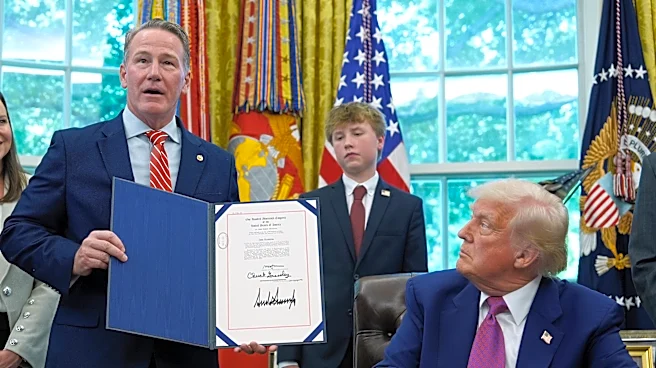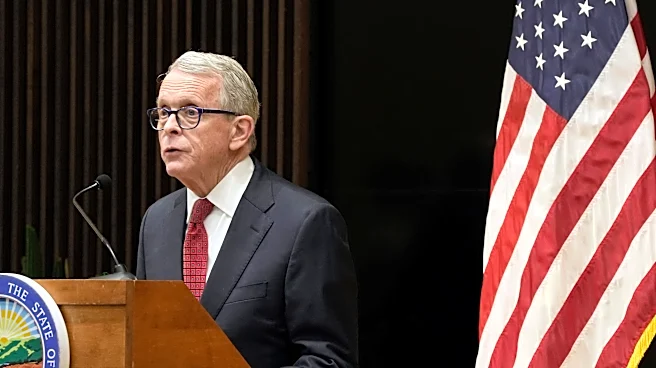



Nearly seven years after Gov. Mike DeWine launched his expedited pardon project, he announced that he has signed 323 pardons that came to his desk through the fast-tracked system and another 340 applications are in progress.
DeWine created the program in December 2019 for people convicted of low-level, non-violent crimes who have since rebuilt their lives to be law-abiding citizens.
"A criminal record comes with a lifetime of restrictions, but I believe those who've truly reformed their lives deserve a second chance to live up to their full potential − and that second chance starts with a pardon," said DeWine in a press release on Oct. 6. "It has been great to hear about the transformational impacts these expedited pardons have had on recipients'
lives and how doors are finally opening to allow them to achieve their dreams."
Students and staff at Ohio law schools in Columbus, Akron, Cleveland, Dayton and Toledo work with applicants to gather records and make sure they meet qualifications and then submit the application to the Ohio Parole Board.
The first requirement is that at least 10 years have passed since the person completed the sentence for the conviction.
Other requirements include:
- The applicant hasn't committed any other crimes in at least 10 years, including drunken driving.
- The applicant made good faith efforts to pay fines and restitution.
- The person has been working or has a good reason why they haven't been employed.
- The applicant has a history of performing volunteer work or community service.
State law requires a recommendation by the parole board before a governor can grant a pardon or commutation, which is a reduction in a criminal sentence. A pardon removes hurdles to housing, education and employment that often come with a criminal conviction. It doesn't convey innocence or exoneration, but it's an act of mercy and forgiveness.
Governors hold the constitutional power to grant clemency to someone convicted of a crime, an extraordinary tool that can un-do the work of another branch of government. While some governors hold decisions until shortly before leaving office, DeWine's practice has been to make clemency decisions throughout the year.
DeWine can exercise his clemency power until he leaves office Jan. 11.
State government reporter Laura Bischoff can be reached at lbischoff@usatodayco.com and @lbischoff on X.
This article originally appeared on The Columbus Dispatch: Ohio Gov. Mike DeWine's fast-tracked program leads to 323 pardons