

Ohio voters will choose a new election chief as debate continues about mail-in voting and President Donald Trump seeks to increase federal oversight of elections.
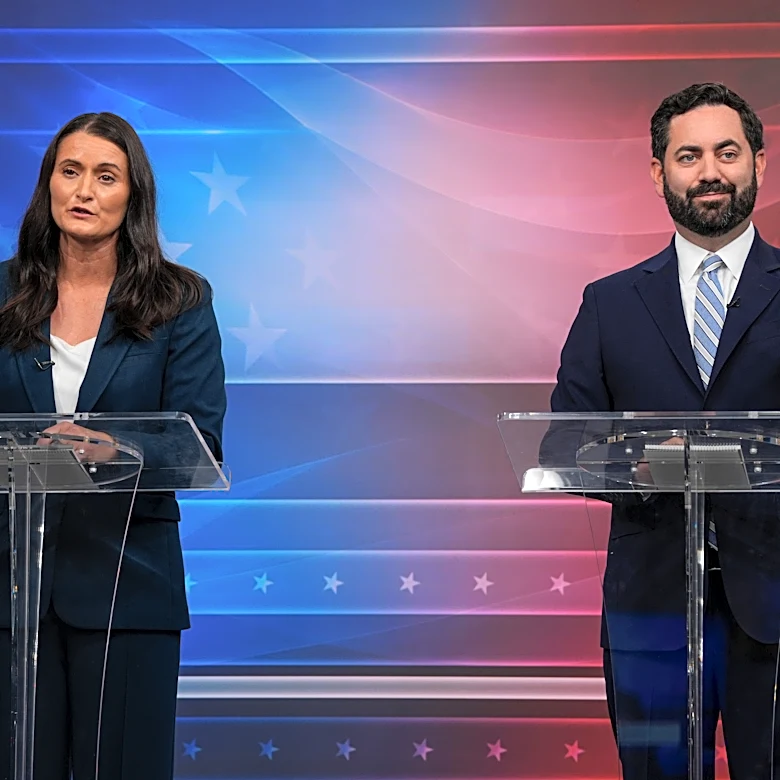
Republican Treasurer Robert Sprague and state Rep. Allison Russo, D-Upper Arlington, are vying for the chance to become Ohio's next secretary of state. Also on the Nov. 3 ballot is Libertarian Tom Pruss, who unsuccessfully ran for Congress in 2024
.Current Secretary of State Frank LaRose is term limited and running for state auditor.
The secretary of state oversees elections, trains county election officials, investigates allegations of voter fraud and reviews petitions for constitutional amendments and initiated statutes. The job also comes with a seat on the Ohio Redistricting Commission
and Ohio Ballot Board, which approves ballot language for statewide issues.
Other, lower-profile duties include approving records for new businesses and registering trademarks.
Who is Tom Pruss?
Pruss is a Toledo native who owns a printing business. His previous bids for office include the Toledo School Board and Lucas County clerk of courts, according to his campaign website.
In 2024, Pruss ran against longtime U.S. Rep. Marcy Kaptur, D-Toledo, and former GOP state Rep. Derek Merrin for Ohio's 9th Congressional District. Kaptur eked out a narrow victory over Merrin after Pruss received more than 15,000 votes, leading some to label Pruss a spoiler.

Who is Allison Russo?
Russo is finishing her eighth year in the Ohio House after serving more than three years as minority leader. During that time, she opposed changes to state voter ID laws and an amendment that would make it harder to amend the Ohio Constitution.
Russo served on the Ohio Redistricting Commission during mapmaking cycles riddled with lawsuits and partisan fighting. While she largely protested Republican-drawn congressional and statehouse maps, she backed a compromise for state House and Senate districts that's in place through 2030.
"Everything starts with voting and the power of voting, and we need a secretary of state who's going to be an advocate for all voters, regardless of who they vote for, what issue they support, and who is committed to running fair, free and secure elections," Russo told the statehouse bureau.
Outside of public office, Russo works as a research director for a health care policy consulting firm.
Who is Robert Sprague?
Sprague took over as Ohio treasurer in 2019 and, like LaRose, can't run for reelection in his current job because of term limits. Before that, he spent eight years in the Ohio House and served as city auditor and treasurer in his hometown of Findlay.
The treasurer is Ohio's chief banker and oversees state investments. During Sprague's tenure, he developed programs to help Ohioans save for their first home and support prospective parents who want to adopt a child.
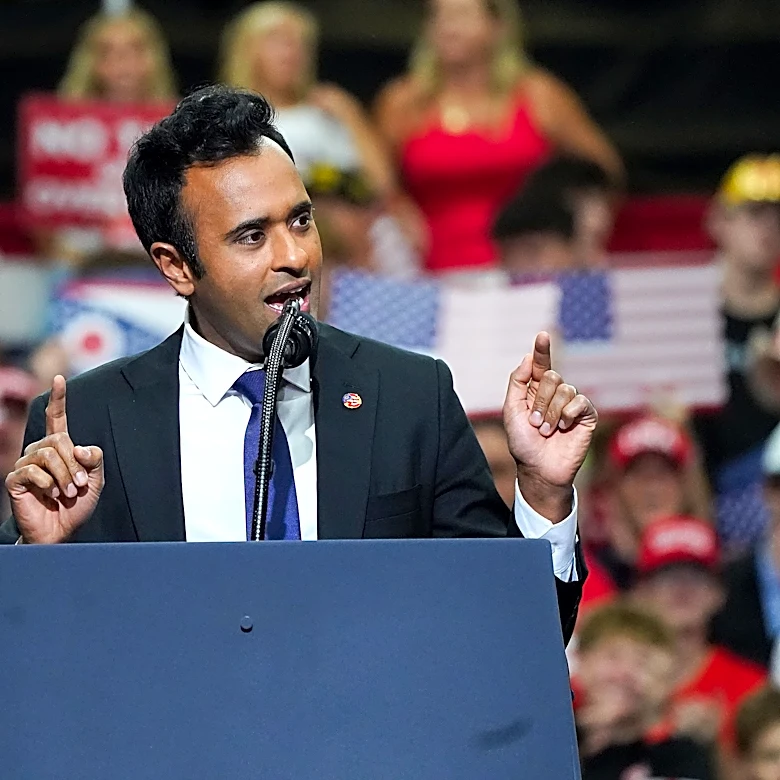
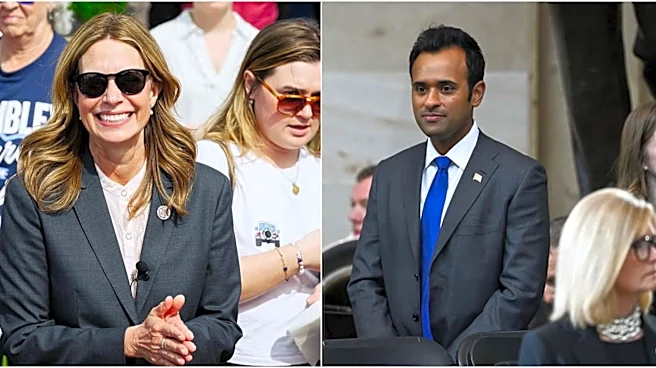
Like other Republicans, Sprague considered a bid for governor but abandoned that plan as his party coalesced around Vivek Ramaswamy.
"I believe that if you're going to hold elections with integrity, you need good leaders to run those elections, and you need people of integrity to work those elections," Sprague told the statehouse bureau. "My goal in the secretary of state's office is to run fair, transparent, secure elections."

Where do the candidates stand on Ohio elections?
On his website, Pruss pledged to "oppose unnecessary signature hurdles" for citizen-led ballot drives and increase transparency over election data and campaign finance. He also wants to keep voter rolls up to date and prevent last-minute rule changes that could confuse Ohioans.
Sprague said he intends to maintain the status quo, with some exceptions. He supports eliminating ballot drop boxes − the state allows just one per county − and requiring people to prove U.S. citizenship when they register to vote. Under current law, Ohioans attest to their citizenship by checking a box on the voter registration form.
Sprague also wants to require photo ID to vote by mail, an idea that Gov. Mike DeWine rejected earlier this year. Right now, absentee voters can provide their driver's license number or the last four digits of their Social Security number in lieu of a photo ID.
"If people are going to commit fraud, they're not going to arrive in person to commit that fraud," Sprague said. "Clearly, they're going to try to do it through the mail. It's the most fraud-prone part of our election system."
LaRose's office did not respond to questions about how many people have been accused of wrongdoing through mail-in voting, but voter fraud is rare in Ohio.
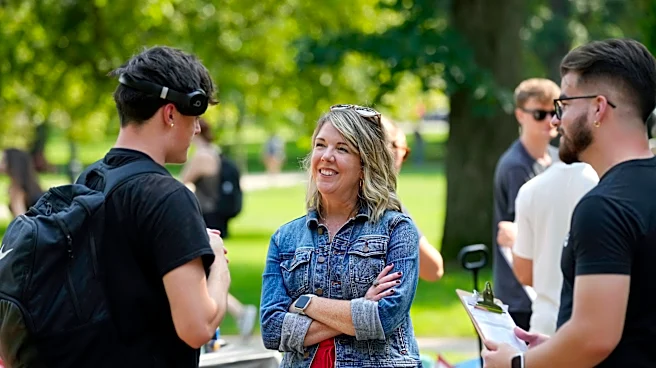
Russo said she wants to prioritize resources for boards of elections and increase voter engagement, particularly among young people. In July, 27% of 18-year-olds in Ohio were registered to vote compared to 78% of people 45 and older, according to the Civics Center, a nonpartisan group that tracks youth voter engagement.
Russo credits Ohio with having a bipartisan election system that includes checks and balances. But she said LaRose has failed to push back against Trump and the GOP-controlled Legislature, which tightened rules for voter ID and absentee ballots. She contends Sprague would be more of the same.
"We have got many people in positions of power – and it starts with the president of the United States – who are spreading inaccurate information about our elections," Russo said. "They are trying to create chaos and confusion. The job of the secretary of state is not to work for a party, not to work for own political interests, not to work for a specific president. It is to work for the voters of Ohio."
State government reporter Haley BeMiller can be reached at hbemiller@usatodayco.com or @haleybemiller on X.
This article originally appeared on The Columbus Dispatch: How Ohio secretary of state candidates want to change elections