









The popularity of cactus houseplants has exploded in recent years, and it’s easy to see why. These unique desert plants offer exotic shapes, sizes and growth patterns, and require little maintenance as houseplants. Unlike other houseplants, cactuses can thrive in the low-humidity conditions common in most homes. But don’t mistake low-maintenance for no-maintenance, as these plants do require a few basic growing conditions to flourish in your home.
Main categories of cactuses
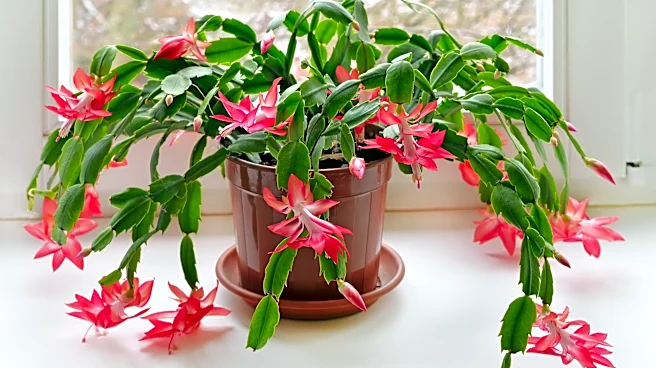
There are two general categories of cactus: tropical and desert. The Christmas cactus (Schlumbergera truncata) is an example of a tropical cactus. The more familiar desert cactuses are native to the Americas, with most of the nearly 2,000 species common to the southwestern United States and Mexico.
Cactuses can be tall and lanky or squat and spherical, frequently without any branches and almost always without any leaves. These shapes result in a large proportion of internal tissue to external surface area. This reduces the amount of moisture which is lost through the plant.
Cactuses often have scales or spines ranging from microscopically small to very large and barbed. These spines protect against predators and help the plant to withstand the sun’s brutal heat in its native environment.

Caring for cactuses as houseplants
While it’s true that cactuses can be some of the most low-maintenance houseplants, this is only true if care is given to some basic growing requirements of these plants. Light is one of the most critical growing requirements for cactuses. The native range of desert cactuses feature conditions that are dry and bright, so the best way to care for your cactus is to replicate those conditions.
Cactuses should be grown in the brightest spot you can find in the house, most likely in a south-facing window. If natural light is limited in the home, you may need to use a grow light to supplement natural light, particularly in the winter months. Position grow lights 6-12 inches above cactus plants and keep them on for 14-16 hours each day. Cool white and natural white fluorescent tubes will provide good results.
In nature, cactuses grow in well-drained sandy soils, so you should mimic these soil conditions indoors. Specially blended cactuses and succulent potting mixes are available at most central Ohio garden centers and are an excellent choice. You can also make your own cactus potting mix by mixing one part potting mix with one part coarse sand.
The other part of replicating desert conditions indoors is moisture, and for some beginning cactus caregivers, this can be a bit more tricky. When watering non-cactus houseplants, we typically use soil moisture as a barometer of when to water. Unlike other types of plants, cactuses store a large amount of moisture in the plant tissue, and only when that plant tissue is dry does the plant need to be watered again.
Watering cactuses from the bottom is best, as splashing water on some cactuses can cause blemishes on the plant. Place the pot in a pan of water and allow the water to wick upward through the drainage hole in the pot into the soil for 15 minutes, and then check that water has adequately moistened the potting mix. After removing the pot from the pan of water, allow the water to drain for a few minutes. Never let the pot sit in a saucer of water.
In the fall and winter, desert cactuses go through a nonactive growth period, and it is important to adjust your care to maintain the health of these plants. Water less frequently during this time of the year and err on the side of too little water.
Cactuses only need to be fertilized once or twice a year during the late spring or summer, when they are actively growing. Use a houseplant fertilizer that is higher in phosphorous than nitrogen and be sure to dilute it to half the recommended rate.
Pests are rarely a concern on cactuses, with soft-bodied pests such as mealybugs, whiteflies and scale being the most common pests on cactuses indoors. These insects can be controlled with insecticidal soaps or wiped off plants with alcohol-dipped cotton swabs.

Popular cactuses to grow indoors
The most popular tropical cactuses to grow indoors include Easter cactus (Hatiora gaertneri) and Christmas cactus (Schlumbergera truncata), which is sometimes referred to as Thanksgiving, holiday or New Year's cactus as its display of bright flowers appear during the Thanksgiving to New Year's season.
Popular desert cactuses to grow indoors include golden barrel cactus (Echinocactus grusonii), Peruvian apple cactus (Cereus peruvianus), old lady cactus (Mammillaria hahniana) and bunny ears cactus (Opuntia microdasys).
Mike Hogan is Extension Educator, Agriculture & Natural Resources and associate professor with Ohio State University Extension. He can be reached at hogan.1@osu.edu.
This article originally appeared on The Columbus Dispatch: Caring for cactus houseplants without overwatering them