


Ray Marcano is a Columbus Dispatch contributing columnist.
Remember Punk’d on MTV, the hidden-camera show where unsuspecting people found themselves the victims of practical jokes?
Well, Ohio, you just got punk’d.
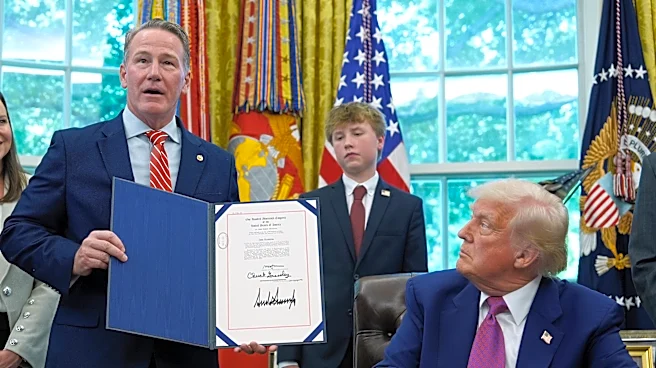
After working with the unelected gubernatorial candidate Vivek Ramaswamy, lawmakers rushed back into session to suspend the gas tax for 90 days, starting today, Oct. 4.
Ramaswamy, seeking a boost to his struggling campaign, has been crowing about his “leadership” in the matter, which conveniently ignores his Democratic opponent, Amy Acton, called for the suspension first.
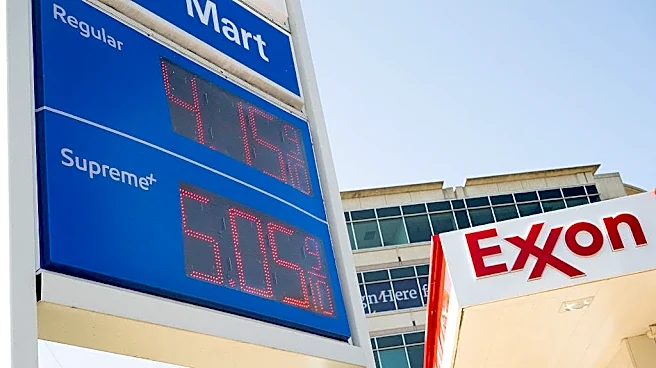
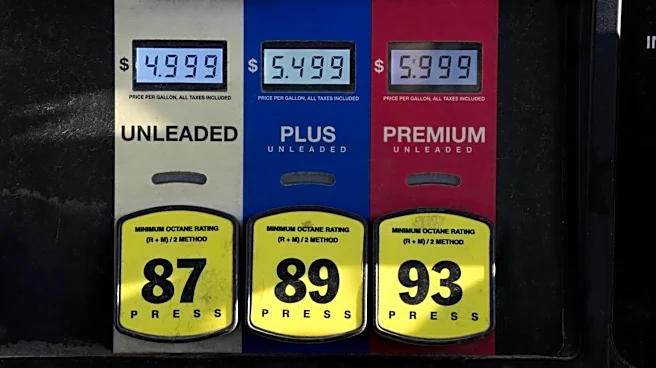
But it also ignores that Ohioans might not see much, if any, reduction at the pump.
That’s something the people in Columbus should know, but instead, they steamrolled through
a plan that takes $725 million – nearly three-quarters of a billion – in general revenue monies and puts it toward a short-term, political gimmick.
Who really benefits from the gas tax?
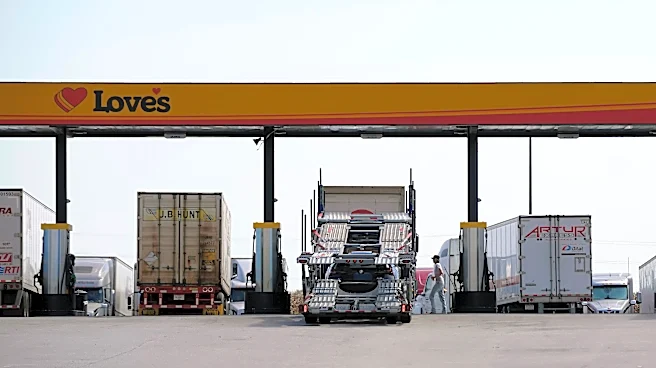
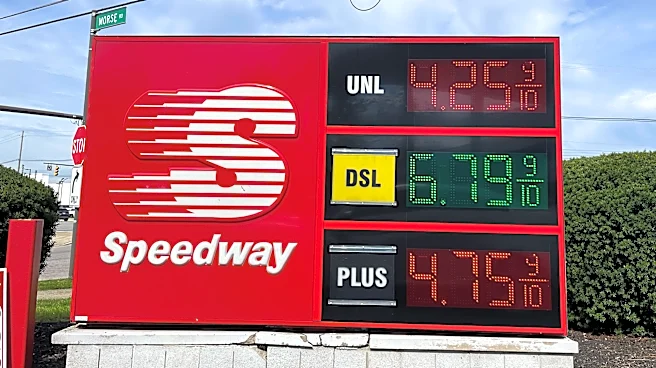
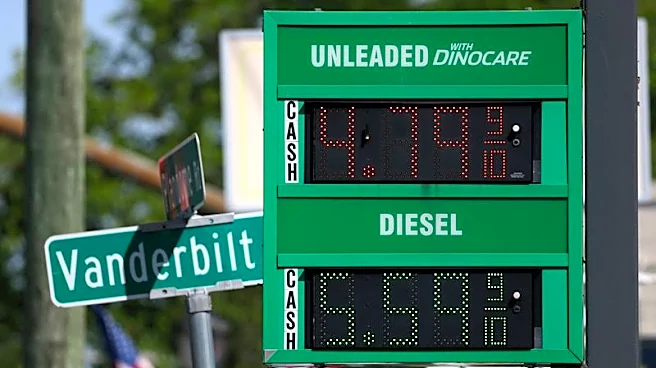
Let’s be real. This is more about Republicans keeping the statehouse than it is about helping farmers paying more than $6.60 a gallon for diesel.
The legislative action suspends taxes on gas − 38.5 cents a gallon − and diesel − 47 cents − with promises that consumers will see the price at the pump fall by that much.
History, research and market behavior show they will not.
Gas holidays have resulted in savings to customers of anywhere from 58% of the tax in Georgia to Connecticut’s 87%, according to the Wharton Business School at the University of Pennsylvania. Other studies put the savings at 70% to 80%.
But that’s not 100%.
The supply chain has a lot to do with this.

Why those gas prices aren't falling
Wholesalers, not retailers, pay the tax, which is factored into the purchase price. So right now, your local station is sitting on gas it paid for before the suspension.
It’s not going to drop prices until it sells its high-priced inventory.
Even then, no one has a good idea how much prices will drop.
Wholesalers traditionally keep 20% to 30% of the abated tax because they’re already sitting on storage tanks of gas purchased before the holiday took effect.
They also hold back money as a hedge against volatile crude oil prices. Immediately dropping prices means they lose money on the gas they have. Besides, who says wholesalers have to drop prices?
They don’t.
But they will, to a point.
As it stands, one analysis estimates the tax suspension will save the average driver about $6 a week, or less than $1 a day, over the next three months. Democrats believe drivers will save half that, and history shows they could be right.
Lawmakers want to squeeze your local gas stations by threatening state penalties if pump prices don’t drop far enough, but how fair is that? If the wholesaler doesn’t pass along the full savings, that could result in local businesses subsidizing the tax and cutting into their profit.
That isn’t a windfall, by any means. It’s something, a small something, that might help people a (very) little.
The holiday is more of a political scheme meant to benefit the Republican candidate for governor, because you can bet this legislature would rather get scurvy than have a Democrat win the statehouse.
The scheme means, Ohio, you’ve been punk’d.

Ray Marcano is a Columbus Dispatch contributing columnist. The longtime journalist is the former national president of the Society of Professional Journalists, a two-time Pulitzer juror, and a Fulbright fellow.
This article originally appeared on The Columbus Dispatch: Ohio gas tax is suspended today. Here's who will benefit and who won't | Opinion