





New Albany resident Philip Derrow is a regular Columbus Dispatch contributor.
The report cards are in!
Ohio’s K-12 public schools just got their grades, and the results are … more of the same. The top districts remain on top, and those at the bottom mostly continue to wallow there, failing to educate far too many of their students and misusing far too much taxpayer funding.
This month also saw the release of the Programme for International Student Assessment, which showed continued weak performance by U.S. students, with reading scores at their lowest levels since 2000. Perversely, the U.S. actually increased its standing against other developed nations, but only because others declined more than we did.
Sadly, our greatest global competitor – China
– topped the list in science and math and came in second only to Singapore in reading. Among the more than 90 countries participating in the assessment, the U.S. ranked 24th in math, 12th in science and 10th in reading.

We spend more per student than almost all other nations, only to achieve worse outcomes than our major economic and geopolitical rivals. There’s a lesson here: Despite higher spending every year, our kids are learning less and less. And AI is neither to blame nor a substitute.
Fortunately, this is one of the few problems that is almost entirely within our control to solve, if only we have the political will to do so. While recent history is discouraging, there are pockets of success, and entire states have reversed decades of failure, particularly in reading. The Mississippi miracle may be the best example.
Race, gender and money don't matter when it comes to learning
Ohio still has a chance to join that success.
Solving a problem starts with accurately identifying it. The number one role of K-12 schooling is to produce literate, numerate and knowledgeable graduates. Different factions can dress up or excuse the results any way they choose, but the evidence is unambiguous that far too many schools fail at that task.
Humans haven’t changed how we learn during the decades of educational decline. Instead, by continuously changing pedagogy and priorities according to progressive whims, we’ve diminished actual educational progress.
We learn by exposure to new concepts, followed by application, success or failure, progress or correction, then repetition until proficiency and mastery. These steps take time. There are no shortcuts. There are no excuses. Race, sex, national origin or any other favored classifications are fundamentally irrelevant to that process.
The ship of learning is already sinking, and identity-based sorting only adds rocks rather than repairs.
Every child can learn. Some will learn more than others. The limiting factor isn’t money, it’s time – focused time – which is exactly where education policies, school boards and teacher training have gone furthest off the rails.
Policymakers have added thousands of pages of administrative obligations.
School boards have indulged small but vocal activists as well as capitulated to unsustainable union demands. And colleges that prepare teachers have emphasized “social justice” over subject matter and pedagogical expertise. The results speak for themselves. And – ironically – there’s no justice in ignorance.
Leadership matters
The solution is simple in concept yet difficult in practice. It will take voter choices to select leaders with the political will to do less, not more.
Recognizing that time, not money, is the limiting factor, schools must narrow their focus and curricular choices until they can consistently produce objectively literate, numerate and knowledgeable graduates.
As the use of AI makes cheating on tests and assignments easier than ever, routine assessment of student knowledge and skills should generally be demonstrated in person, device-free.
These educational failures have another source, too. One of the most enduring effects of pandemic school closures is the increase in chronic truancy, at 25% statewide and 53% in Columbus City Schools.
Schools can’t teach absent students. Truancy must again have serious consequences.
If local school boards are incapable of making the tough decisions to achieve those outcomes, the state must do it for them.
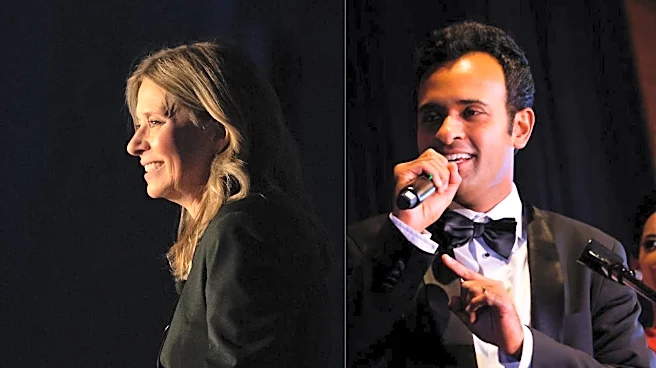
Ohio schools just got their report cards. In November, voters get to decide who’ll be responsible for fixing the failures. Amy Acton is offering another – more expensive – semester of the same lesson plan that produced those results. Vivek Ramaswamy is offering a harder class. Ohio’s kids can’t afford for us to take the easy one.

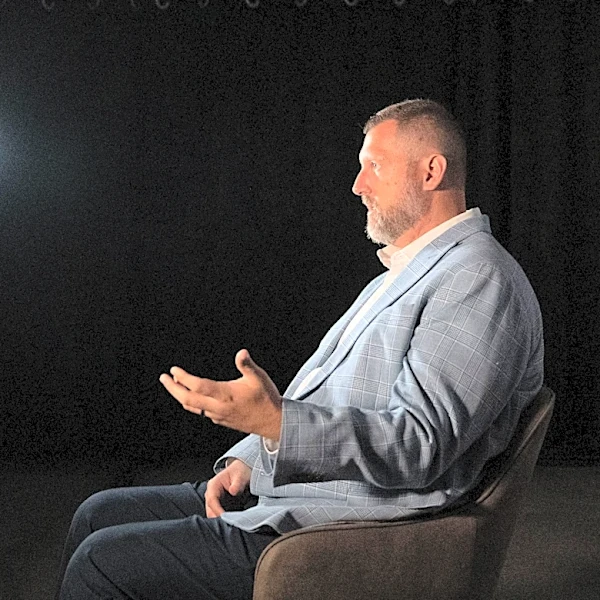
New Albany resident Philip Derrow is a retired business owner. He was a two-term member of the New Albany-Plain Local Board of Education. He is a regular Columbus Dispatch contributor. Reach him at philderrowdispatch@gmail.com.
This article originally appeared on The Columbus Dispatch: Race, gender, money and placating liberals doesn't make kids smarter. This does | Opinion