
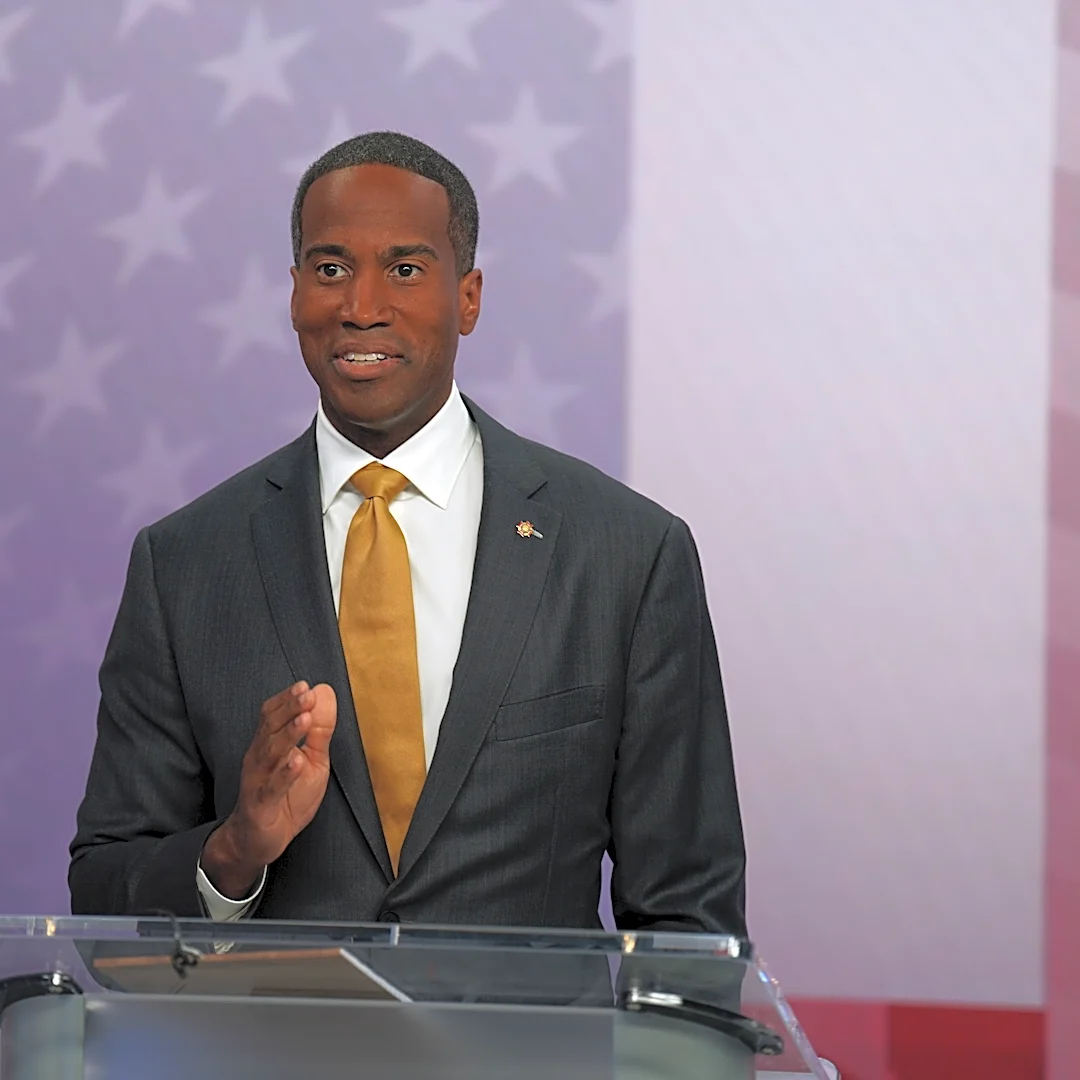
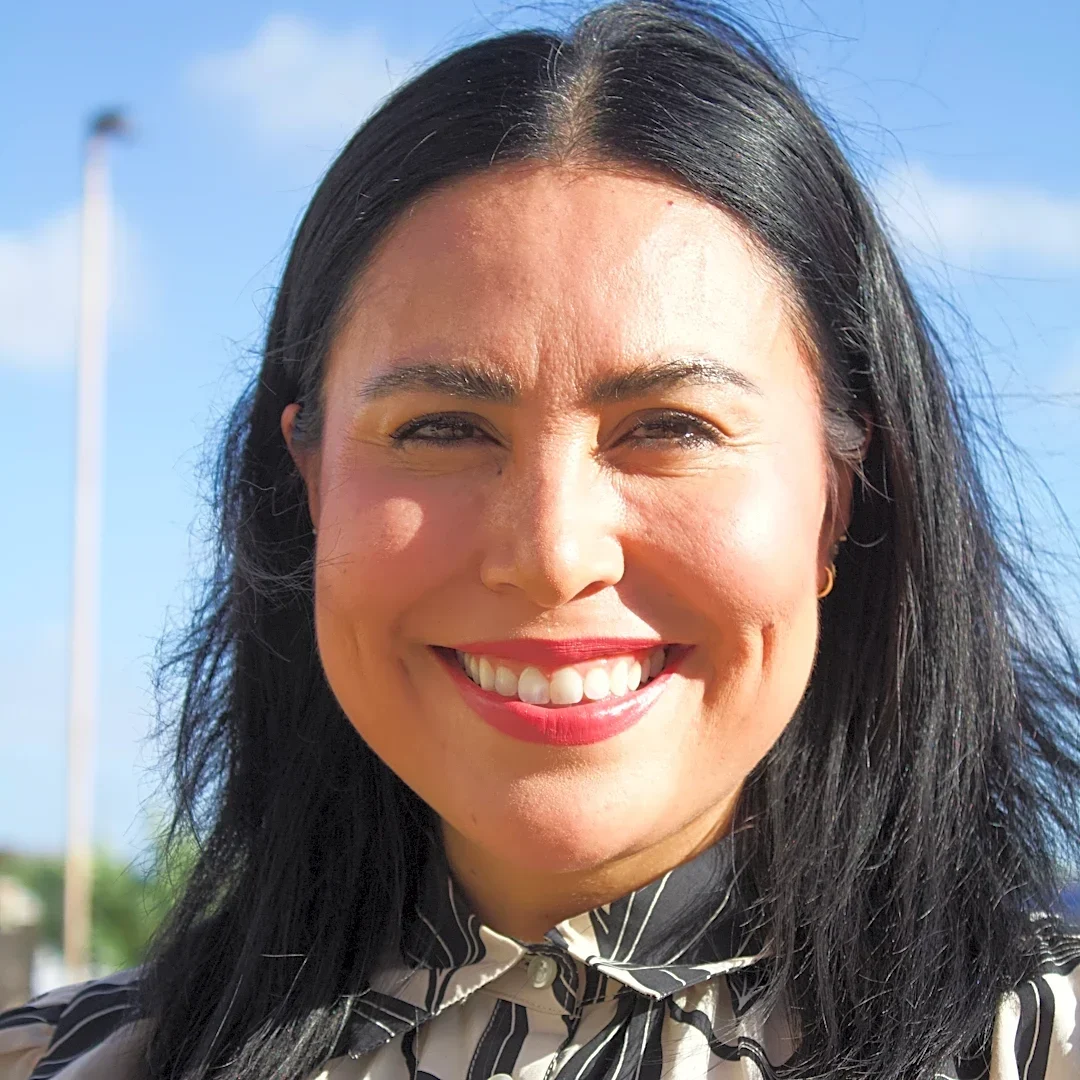
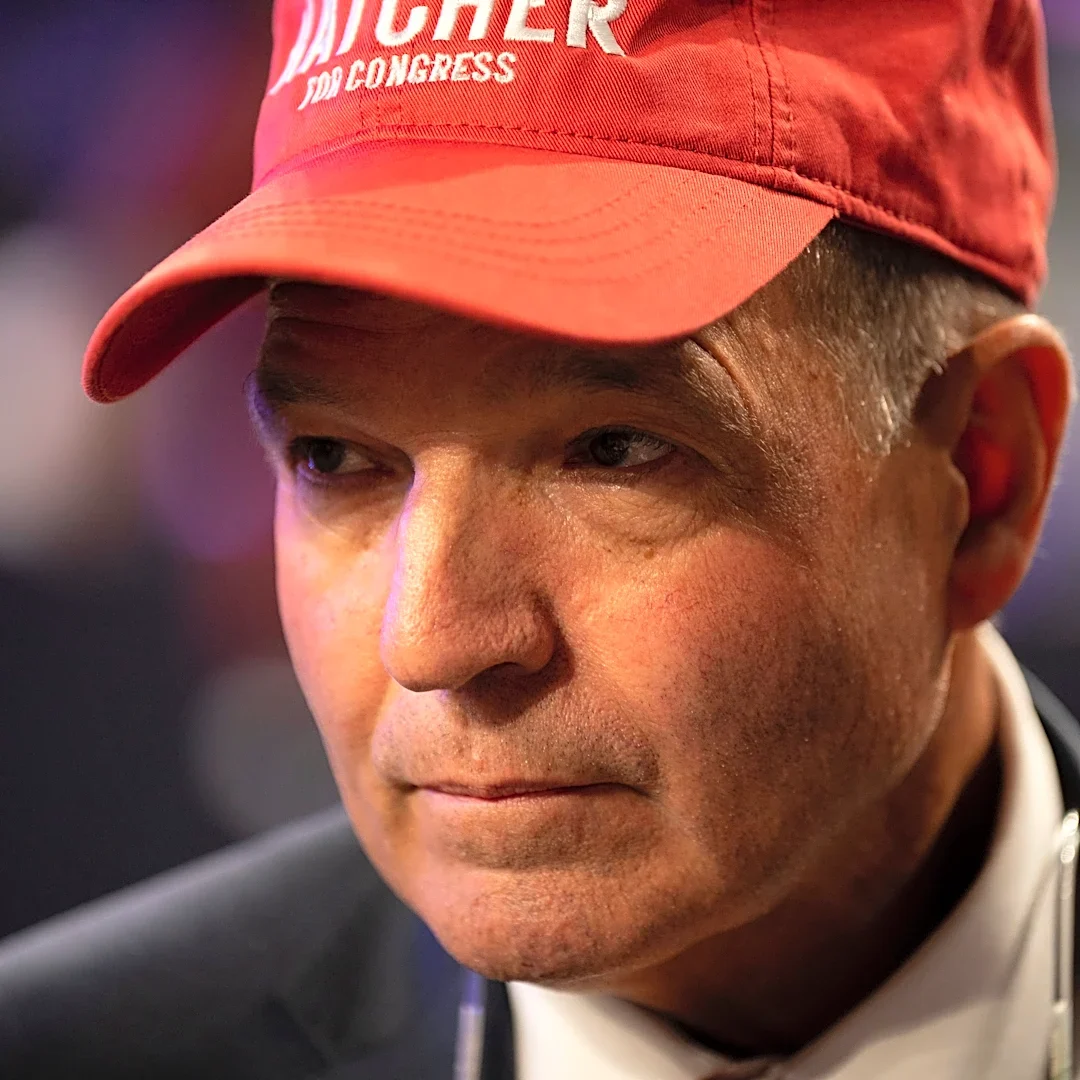




In November, voters will decide who will fill two seats on the Ohio Supreme Court and whether to strengthen or weaken the Republican Party's 40-year hold on the court's majority.
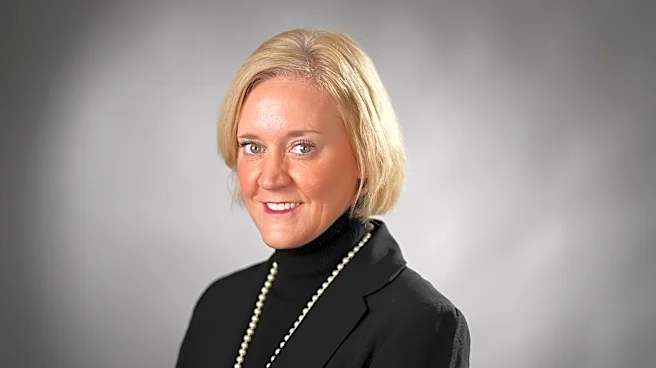
Justice Jennifer Brunner is Ohio's last Democrat holding statewide elected office and is running for reelection against Republican Colleen O'Donnell, the daughter of a former justice.
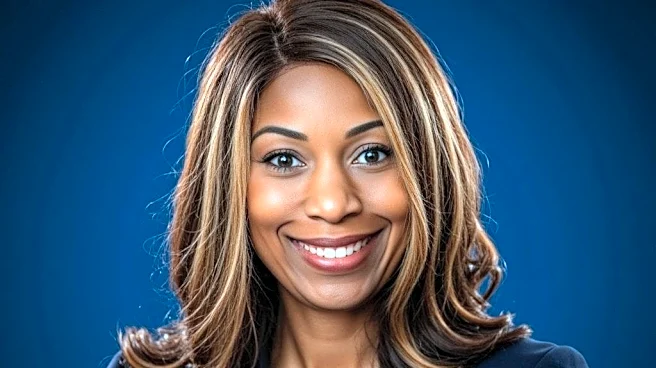
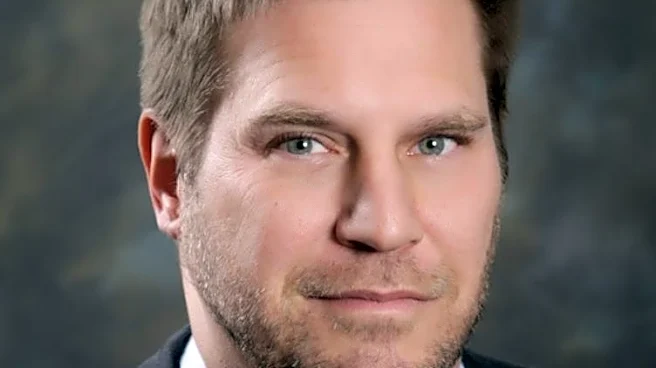
Democrat Marilyn Zayas, an appellate court judge wholost a bid for the Ohio Supreme Court in 2022, is taking on Republican Justice Dan Hawkins.
In 2022, after Democrats won three of seven seats, the Ohio General Assembly changed the law and started putting candidates' political affiliations on the ballot. Since the law took effect, Democrats haven't won an Ohio Supreme Court race. Brunner
lost a lawsuitto overturn the partisan label law. Republicans currently hold six of seven seats.
What does the Ohio Supreme Court do?
Supreme Court decisions impact how much Ohioans pay in taxes, whether utility companies can add fees to ratepayers' bills, how insurance and business laws are interpreted, which government records are available to the public and other issues. The court also interprets constitutional amendments, such as the reproductive rights amendment that voters approved in November 2023.
Justices are elected to six-year terms but a bit of musical chairs at the court occurred in recent years:
- In 2022, Republican Sharon Kennedy beat Brunner for chief justice. Gov. Mike DeWine appointed Republican Joe Detersto fill Kennedy's vacant seat.
- In 2024, Deters opted to run for a full-term against Justice Melody Stewart, a Democrat.
- In 2024, Hawkins ran for Deters' seat, which is up for reelection this year.
A look at the candidates' backgrounds
Brunner: Democrat, current justice, former Franklin County trial court and appellate court judge, former Ohio secretary of state and former private practice attorney. Brunner earned her law degree from Capital University and has been a licensed attorney since 1983. She is married, has three adult children and six grandchildren.

O'Donnell: Republican, former Franklin County trial court judge and former federal immigration judge. She became the youngest judge in Ohio in May 2013 when then Gov. John Kasich appointed her to the bench at age 32. Her father, Terrence O'Donnell, is a retired Ohio Supreme Court justice. She served on the Franklin County Common Pleas Court for a decade until 2022, when she lost her reelection bid. O'Donnell earned a law degree from Case Western Reserve University and has been a licensed attorney since 2006. She is married and has two children.
Hawkins: Republican, current justice, former Franklin County municipal court and trial court judge, former assistant prosecutor. He earned his law degree from Ohio State University and has been a licensed attorney since 2001. He is married and has three children.
Zayas: Democrat, current First District Court of Appeals judge, former Hamilton County public defender, former private practice attorney. She earned her law degree from University of Cincinnati and has been a licensed attorney since 1999. Prior to becoming a lawyer, she earned a degree in computer programming. She is divorced and has three adult children. If she wins, she'd be the first Latina to serve on the high court. Zayas said she would work to expand the use of drug courts in Ohio.

Where do the candidates stand?
We asked Brunner, O'Donnell, Hawkins and Zayas the same set of questions about criminal sentencing, public records laws, utility costs and cases, endorsements and free speech and the balance of the court. Here are their answers, summarized for brevity and clarity.
Criminal Sentencing: In Ohio, similarly situated defendants are supposed to be given similar sentences, regardless of race, age, gender, geography or other demographics. Sentencing decisions by Ohio's 723 elected judges are a matter of public record but those records aren't collected in a single database. Brunner and Zayas support creating a statewide database. Hawkins and O'Donnell said more data is helpful, but they have concerns about the logistics and costs of creating a database.

Hawkins said criminal sentencing patterns may reflect voters' regional preferences in how they want elected judges to make decisions. "Some counties take law and order seriously and think people who commit a crime should go to prison," he said. "Other counties think that they prefer a more treatment centered approach."
In recent decisions, the Ohio Supreme Court eroded appellate courts' authority to review and adjust trial courts' criminal sentences. Brunner dissented in a 4-3 decisionthat reversed the court's earlier decision on whether a 65-year sentence for a woman convicted of property thefts was subject to review by an appellate court. O'Donnell declined to comment, saying she would have to examine the court filings and that judicial ethics prevented her from expressing an opinion. Zayas said appellate judges such as herself now have very little ability to change a criminal sentence, adding "my job is to follow the law, whether I like it or not." Hawkins said the supreme court decides cases, not issues; and appellate courts need to follow appropriate standards when reviewing cases.
Public Records: Plaintiffs can take public records disputes directly to the supreme court. In recent cases, the court ruled that thenames of police officers harmed in the line of duty can be shielded from disclosure because they're protected by Marsy's Law. The court also ruled that Ohio Highway Patrol travel expenses incurred to escort Gov. Mike DeWine to the 2022 Super Bowl are exempt from disclosure. Another decision made it more difficult to challenge denials of public records requests. When asked how they'd balance government transparency with privacy, O'Donnell said each case must be reviewed on its merits. Brunner agreed in part and dissented in part on the Marsy's Law case, saying officer names should be released. Hawkins said the supreme court has issued decisions in favor of releasing records as well as in favor of exempting them from disclosure. Decisions are made on a case-by-case basis, he said. Zayas said it's a balance between two important values but each court decision must be based on what the laws and constitutional amendments say.

Judicial Free Speech: In April, the court ruled that judges and judicial candidates have a constitutional right to free speech, including making endorsements in political races. None said they'd make political endorsements. Zayas said doing so could erode public confidence in the judicial system.
Energy Costs: The court hears cases challenging decisions by the Public Utilities Commission of Ohio and Ohio Power Siting Board, which affect consumers' monthly bills. When asked how the court might address the high costs, O'Donnell said she can't prejudge an issue that might eventually be in front of the court. Zayas said she won't take campaign contributions from utilities and "there should be no favoritism toward utilities" in court decisions. Hawkins said the court's role isn't to second guess the boards but rather determine whether the law was followed.
Legislating from the bench: None of the four candidates favor judges imposing their personal spins on rulings to change laws. All four say they support the rule of law.
Balance of the court: If O'Donnell and Hawkins win, all seven justices would be Republicans. When asked if the court would benefit from a mix of parties, O'Donnell said she trusts voters to elect justices they believe will best serve them. Zayas said a balance on the court would ensure more accountability and healthy discourse. Hawkins noted that many of the current court's decisions are unanimous. "If you look at the big picture and the record of the court, although we're elected, once we're here and sworn in, we don't wear red or blue robes on the bench," Hawkins said. "We all wear black robes."
Brunner said when she served on the 10th District Court of Appeals, the court operated best when evenly split. "There was a greater chance that we would not be involved in group think or feeling pressured to go with your colleagues who were of the same political party," she said. "We had to challenge each other. We had to compromise. And that's real life."
State government reporter Laura Bischoff can be reached at lbischoff@usatodayco.com and @lbischoff on X.
This article originally appeared on The Columbus Dispatch: Meet the 4 candidates running for Ohio Supreme Court in 2026