







After two toddlers drowned in apartment complex retention ponds within two months of each other, Columbus City Council President Pro Tempore Rob Dorans wants the city to reconsider requiring barriers around the city's more than 100 stormwater retention ponds.
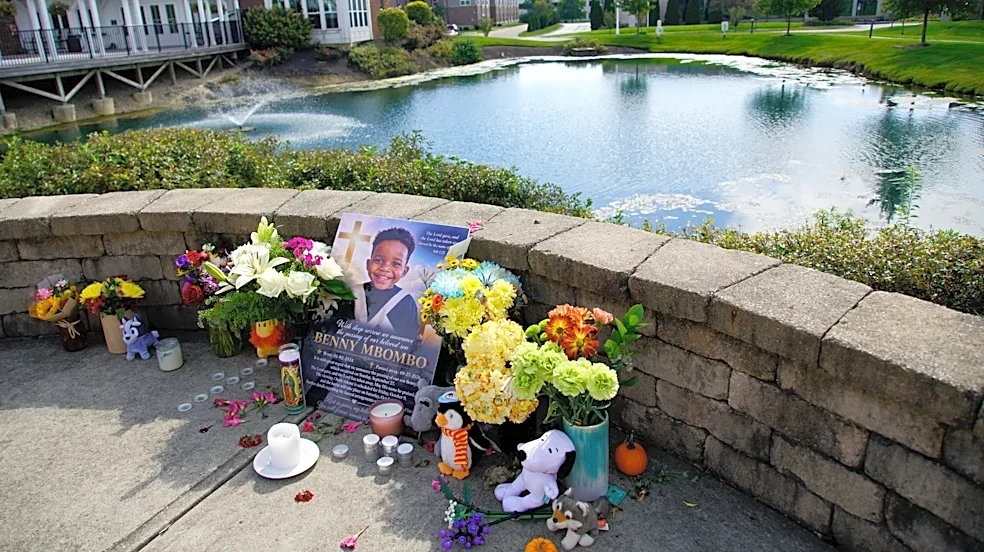
The deaths of Benny Mbombo
in September and Georgina Villar in July are just the latest in a serious of deaths. At least 13 children in the last 13 years have died from drownings in retention ponds in Columbus.Dorans told The Dispatch he plans to introduce new legislation on a barrier requirement to council for a vote by the end of 2026. He previously spearheaded legislation in late 2024 requiring annual warning notices to tenants, life preservers and warnings signs. At the time, Dorans considered
a fencing requirement like the current requirement for swimming pools, but landlords and some public safety officials opposed it. Some argued fences around a large pond could make emergency rescues more difficult.
"In the cold light of day years later, we need to do more," Dorans said. "We need to go down this route. Does that mean we're going to prevent every tragedy? Unfortunately, no, but we need to do our best to try."
Dorans said barriers can be designed to keep small children away from water while still allowing emergency responders access. He is still drafting this legislation, but he said the barriers could be fencing, hardscaping with boulders or vegetative barriers.
In 2024, Dorans considered a fencing requirement, but ultimately decided on a more targeted approach that gave Columbus Building & Zoning the authority to pursue problematic ponds as nuisances and force their owners to make changes. Nearly two years later, the city department has worked with pond owners to implement requirements and has not pursued declaring any pond as a nuisance.

Meanwhile, Dorans is holding a council hearing on retention pond safety on Oct. 20.
Dorans is introducing two pieces of legislation he sees as an interim step that council could pass immediately. One ordinance would prohibit mowing within 15 feet of a pond's edge. The idea is tall grass creates a natural barrier that can deter young children from approaching the water. Dorans said other cities have instituted "no-mow" legislation and seen fewer tragedies.
The other ordinance would require that landlords deliver a standalone notice to tenants about the danger of these ponds that is drafted by the Columbus Department of Building & Zoning.
The existing city requirement for a notice is less prescriptive and some buildings have buried it in their rental paperwork.
The parents of 2-year-old Benny, who died on Sept. 27 in a pond at the Polaris Place Apartments, said they did not recall being informed about the dangers the retention pond posed.
Columbus Public Health data shows that child drownings, and incidents that didn't result in a fatality, have decreased since Columbus passed previous regulations, according to Dorans.
"That's good, but we shouldn't be patting ourselves on the back that we're done here," Dorans said. "It goes to show that actually engaging on this public policy can benefit the community."
A lawyer representing the Columbus Apartment Association, a group that represents the city's landlords, said the association would wait to comment until they could see legislation.
Government and politics reporter Jordan Laird can be reached at jlaird@dispatch.com. Follow her on X, Instagram and Bluesky at @LairdWrites.
This article originally appeared on The Columbus Dispatch: After 2 toddler deaths, Columbus council member pushes pond barriers