









Ohio is one of just six states where survivors of childhood sexual abuse face a deadline to pursue criminal charges and lawsuits, but lawmakers are pushing to change that.
Ohio law requires survivors of childhood sexual abuse to file a lawsuit by the time they turn 30, or they forfeit legal remedies. Criminal charges must be filed by their 43rd birthday (or five years later if DNA evidence matches). Advocates for survivors of sexual abuse say that needs to change.
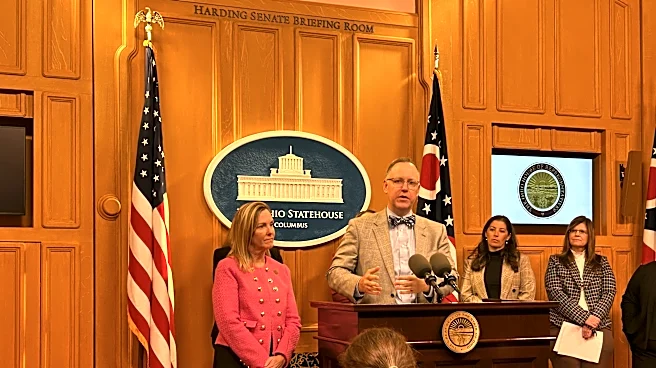
"That trauma is going to be with them for the rest of their life. The idea that there would be a small statute of limitations on that is simply absurd. It needs changed," said Ohio Sen. Bill Blessing, R-Colerain Township.
Extending or eliminating Ohio's statute of limitations for childhood
sexual abuse was among dozens of recommendations made Sept. 23 by the Safer Communities Legislative Workgroup. Blessing and Rep. Rachel Baker, D-Cincinnati, plan to push legislation to implement many of the proposals.
Bipartisan group recommends changes to domestic violence laws
The problem of domestic violence and sexual abuse is staggering: more than 188,000 Ohioans experience intimate partner violence each year. In 2025, 157 people died because of domestic violence − a spike from 114 deaths the year before, according to the most recent data from the Ohio Domestic Violence Network. And nearly $1.2 billion is spent each year on medical care, lost work productivity, loss of life and other costs related to abuse, according to the report.
"I realized that we had to address this, not in a piecemeal way with lots of little separate throwaway things on the wall and seeing what sticks, but through a really systematic look at the laws in Ohio and what we should be doing," Baker said.
The bipartisan report recommended:
- Increased reimbursement rates for forensic exams on sexual assault survivors. Each exam takes several hours and costs about $2,500, but hospitals are typically reimbursed about $600.
- Increasing the statute of limitations for adult survivors to file lawsuits from one year to at least five years. Senate Bill 421, which is pending in the Ohio House, would make that change.
- Providing money for law enforcement training on "lethality assessments" which help police determine how dangerous a domestic violence offender is. Currently, law enforcement uses a patchwork of assessments − or none at all.
- Spending more on crime lab staffing and equipment to eliminate backlogs. Ohio Gov. Mike DeWine is assembling a working group to ensure police departments are reporting rape kit data to the state.
- Requiring training for universities and colleges on Ohio's 2023 law penalizing strangulation.
- Aligning state law with federal policy that prevents individuals with certain domestic violence convictions or protection orders from possessing guns.
- Increase criminal and civil penalties for artificial intelligence-generated sexual abuse material.
Baker and Blessing intend to introduce legislation in the coming weeks and keep working on it next year with a new governor and a new set of lawmakers. For survivors and advocates, the stakes are high.
"Building a safer community, becoming the village that stops abuse is the work of every principled adult in our state,” said Rebecca Surendorff, co-founder of Ohioans for Child Protection.
Reporter Laura A. Bischoff contributed to this article.
State government reporter Jessie Balmert can be reached at jbalmert@usatodayco.com or @jbalmert on X.
This article originally appeared on Cincinnati Enquirer: Ohio may end time limits for child sex abuse survivors to take action