






Some insects make a real pest of themselves.
The invasive spotted lanternfly, now entering its breeding season, should be destroyed on sight. Cicadas are noisy but harmless and only become a menace every 17 years or so when the huge periodical broods emerge, as happened in southern Ohio in 2025.
And then there's the stink bug. Each fall, you'll find this smelly bug on your windows and doors trying to work its way into your house. And if they get inside, they can cause a foul odor (as their name implies).

So what can you do to get rid of them or keep them out? Here's what pest control companies and others recommend.
What do stink bugs look like?
The U.S. and Canada are home to approximately 260 stink bug species, according to Terminix. Worldwide, over 4,000 different types exist.
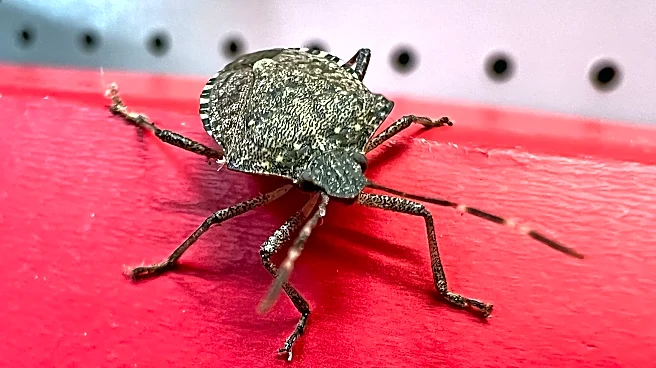
Most adult stink bugs are shaped like shields, with segmented bodies tapering toward the bottom and widening toward the head.
Adult stink bugs tend to grow up to two centimeters with antennae on the point of their head. Their six legs make them appear larger.
Stink bugs' wings, located near their heads, protect their bodies, according to Orkin, a pest control service.
A stink bug's coloring depends on its species. They can be black, green, brown or gray. Others have distinct patterns, such as the Florida predatory stink bug, which has red markings.
Do stink bugs bite?
Unlike other insects, stink bugs do not cause structural damage, do not bite and do not spread disease. Even though they are harmless, stink bugs can still be a nuisance.
They pose the biggest threat to fruits and vegetables. When they emerge during the spring, stink bugs feed on various crops, including apples, corn, peppers, tomatoes and soybeans, the Environmental Protection Agency reports.
Why are there so many stink bugs around my house?
Stink bugs reproduce in the summer and will try to find shelter from the cold temperatures during the fall, according to Orkin. Once a stink bug finds a good place to hide, they will release a smelly chemical to alert and attract others. This can lead to an infestation.
Stink bugs make their way into homes through cracks and crevices.
They do not reproduce in homes, according to the EPA. So, if they're already inside, they won't lay more eggs.
How to get rid of brown marmorated stink bugs?
If you only have a few stink bugs in your house, the best thing to do is pick them up and flush them down the toilet, Dr. Chris Hayes, director of the Hayes Structural Pest Research Lab at North Carolina State University, tells Country Living.
For a large number, vacuum them up. But don't leave them in the vacuum, Hayes says, because they will crawl out. Freeze them or put them in water to kill them.
Don't crush them, especially in large numbers, because they will release a chemical that smells.
How to keep stink bugs out of your house
To keep stink bugs from entering your home, Country Living recommends:
- Repairing holes or gaps in window and door screens
- Replacing worn weatherstripping around doors, garage doors and windows
- Sealing cracks around windows and trim
- Looking for gaps around where pipes, wires and cables enter the house
- Asking a pest professional about an exterior treatment
What is the best stink bug repellent? Peppermint oil? Homemade stink bug killer, traps
Using pesticides to get rid of stink bugs indoors is often ineffective, according to the National Pesticide Information Center.
However, Farm and Dairy has a recipe for a homemade stink bug killer that uses vinegar and dish soap that it claims will kill stink bugs when sprayed on them.
Likewise, Virginia Tech researchers created an inexpensive stink bug trap using a foil roasting pan, dish soap and a light to attract the insects.
The Spruce reports that peppermint oil has an odor that stink bugs hate, disorienting them and disrupting their navigation. That makes it a semi-effective repellant, according to the publication, but it doesn't kill the bugs outright and won't help with an existing infestation. The oil also degrades too quickly to be effective when used outdoors.
When do stink bugs go away?
According to Terminix, stink bug season lasts from the end of summer through fall, until it gets too cold for them to survive outside.
This article originally appeared on Cincinnati Enquirer: Getting stink bugs in the house? How to get rid of the smelly insects