



“Maybe that wasn’t such a good idea,” I thought after driving through a flooded section of Reading Road. But that’s the situation I was in two weeks ago when an intense, slow-moving storm deluged Cincinnati’s East Side.
As we approached the next low spot, just south of Galbraith Road, there was no decision to make. The road was closed, blocked by police cruisers to make sure no one tried anything foolish. It was the second time I changed course that night; earlier, I was forced to make a detour around Interstate 71, which was flooded near Kennedy Avenue.
Eventually we made it home via higher ground – I guess there’s a reason they named it Ridge Road – and saw the extent of the flooding, as reported by The Enquirer on Cincinnati.com, television
stations and people posting on social media. This was not your run-of-the-mill summer rainstorm.
When major weather events occur, our priority is to focus on the essential, public-service components of the story. Are there deaths or injuries? Are people stranded? How much more rain is expected? Are there power outages? Are roads closed? That’s where the work begins – and often ends – for many news organizations. At The Enquirer, we were just getting started.
As the water receded and the mop-up got underway, two major themes emerged in our coverage. First, we had just experienced a hundred-year storm – and quite possibly a 1,000-year weather event, according to some experts. Cincinnati’s Industrial Age-era combined sewer system, so called because it handles both waste and storm water, wasn’t built for the 4-6 inches of rain that fell inside an hour in Oakley, Hyde Park and other spots along the Madison Road corridor.
“We just don't build for that,” University of Cincinnati engineering professor Patrick Ray told The Enquirer. “We just say get out of the way.”
The second big “follow-up,” as we call it, centered on the automated floodgate that failed to close next to the bridge over Duck Creek in Oakley. Residents and business owners wanted answers, so we interviewed public officials and engineering experts to find out what happened and who’s responsible. And here is where The Enquirer’s reporting distinguished itself.
In the process of making calls and asking for documents related to the floodgate, Enquirer reporter Dan Horn obtained a 2020 engineering study that recommended the city replace the 100-year-old bridge with a taller, wider structure to minimize the risk of flooding along Madison Road. Why was the report, produced for the city by The Kleingers Group, essentially ignored? Cost appears to be one of the reason. But this week, Mayor Aftab Pureval did say interest earned from the $1.6 billion fund established after the sale of the Cincinnati Southern Railway could be used for infrastructure improvements to mitigate future flood damage, although he did not mention the Duck Creek bridge specifically.
Former Mayor Charlie Luken, who pushed for the railroad sale as a member of the Cincinnati Southern Railway board, has been critical of the city for not spending the railroad dollars fast enough. I asked him if, in his view, the Duck Creek bridge fit within the parameters of the fund.
“I can’t think of any reason why the money can’t be used for this,” Luken said via text message. “It sounds like ‘existing infrastructure’ to me.”
When I talk about the value of local journalism, particularly the kind you find in The Enquirer, I point to this exclusive reporting.
Video and images of the July 17 flood were all over the internet almost instantly. But only The Enquirer, leveraging its expertise and sourcing, revealed that the potential for the Duck Creek floodgate to fail was identified six years ago. With that knowledge, we the people can hold our leaders accountable.
If you are a subscriber, thank you for your investment in local journalism. If you’re not a subscriber, please consider supporting this important work.

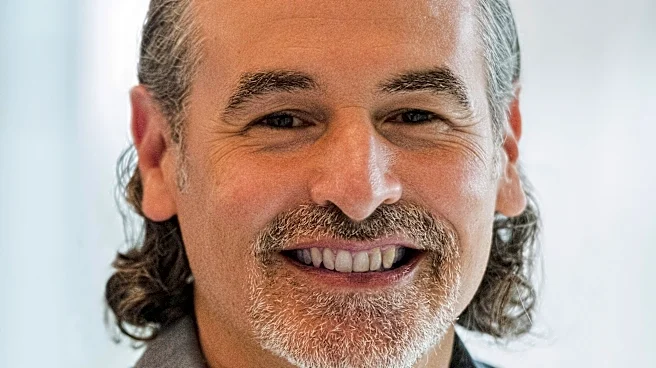
Enquirer Executive Editor Beryl Love writes a biweekly column that takes you behind the scenes at The Enquirer. Occasionally, he shares his thoughts on local issues, particularly as they pertain to a free press and open government. Email him at blove@enquirer.com. He can’t respond personally to every email, but he reads them all.
This article originally appeared on Cincinnati Enquirer: Enquirer reveals floodgate flaw was known in 2020 | From the editor