



On May 21, I was driving on I-71 North when traffic came to a stop. Police cars rushed past as I was approaching an accident.
As I came up on the scene, an officer was performing CPR on a man on the ground. My heart sank. I said a quick prayer, which was more a plea for a miracle. I couldn't imagine him surviving what I'd just witnessed.
Farther down the highway, several police cars were racing the opposite direction. I wondered what they were chasing, frustrated I wasn't seeing ambulances. That afternoon I learned the man hadn't been in a medical emergency. Robert Lee Rothwell III had been shot and killed on the highway. Investigators later said it wasn't random, but that didn't make it feel any less senseless.
My heart sank again. What is this
world we are living in? Every day, that question gets harder to sit with.
The sadness beneath the anger
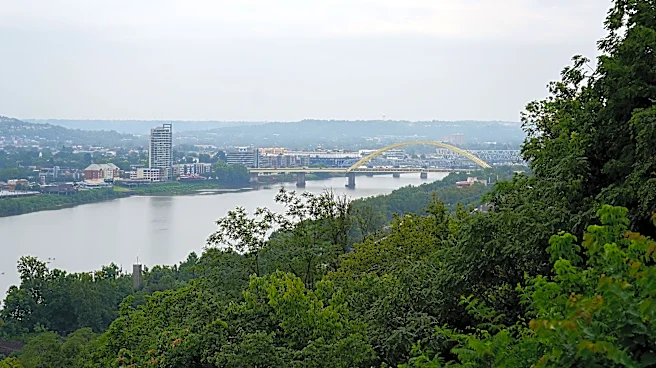
A few days later, I was at dinner with my wife, overlooking our city. I'd just told her everything above. As I finished, I looked out at the cars moving along the highway below and began to cry. I wasn't sobbing, but I couldn't speak for over five minutes. When I finally could, my first words were, "I'm just so sad."
I was surprised because for six months, anger had been the fuel I used to write a book about conscious consumerism. That night, I realized the anger was covering sadness.
Growing up in the 1980s, learning history in school, even just making friends, I felt an unspoken agreement: Despite real injustices − displacing Native Americans, slavery, the long fight for civil rights − we were at least moving toward something better. The older I got, the more I understood how privilege shaped that view. But I held onto the idea underneath it.
A world losing its humanity
Which brings me to now. We've taken dozens of steps back, and I'm not sure we've stopped. It's exhausting and leaves me feeling hopeless. What is this world we are living in? We're losing our humanity, and I see it almost everywhere.
In our politics, we no longer see each other as people with different views. We see enemies.
With immigration, whatever we believe about policy, most people crossing a border are trying to provide for their families. And unless you're Native American, that's your family's story too. We've lost the human journey.
With gun violence, we've protected the letter of the Second Amendment while losing the spirit behind it. Gun deaths remain among our leading causes of death. We've lost our human dignity.
And now AI is accelerating the same loss. It's harder to tell what's real. Social media once connected us to friends and family; now most of my feed is strangers, curated by an algorithm. We've lost human connection.
What is this world we are living in? I feel hopeless, but I am a hopeful person at my core. So what happens when a hopeful person runs into hopelessness? That's the question I carried home from dinner that night.
The power of one small act
I can't fix the economy. I can't fix our politics. I can't change our gun laws. I can't. I can't. I can't.
Eventually, I found a different question: What can I do?
I can hold the door for someone. I can let someone merge in traffic. I can grab coffee with a friend who sees politics differently than I do.
A lot of us are wrestling with some version of this. The problems feel too large, so it's easier to put our heads down and grind on. But hopelessness has wisdom to share, if we're willing to ask what we can do with it instead of moving past it.
There is something each of us can do today, right now, that makes a small, real difference to another person. That's how we start finding our humanity again.
Hopelessness is a good feeling to have. So is sadness. So is anger. These emotions are worth listening to. What they're telling us is that we've lost sight of each other, and it's time to look again.

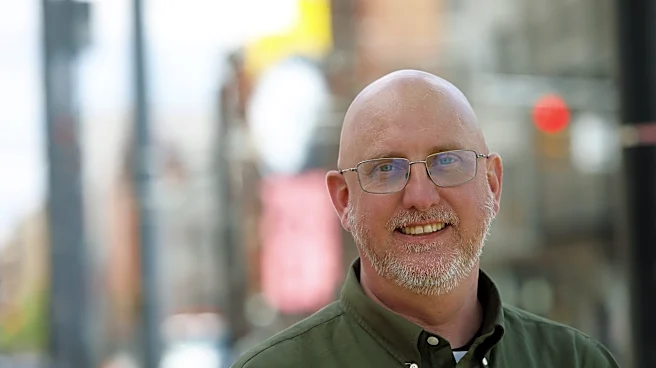
David Gaines lives in Dry Ridge and is the owner of La Terza Coffee in Springfield Township and the author of "Radical Business" and the forthcoming book, "Why We Buy, and Why It Matters" (coming October 2026).
This article originally appeared on Cincinnati Enquirer: What can we do when the world feels hopeless? | Opinion