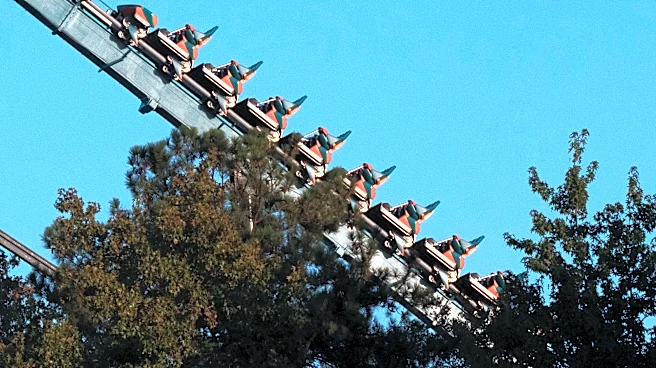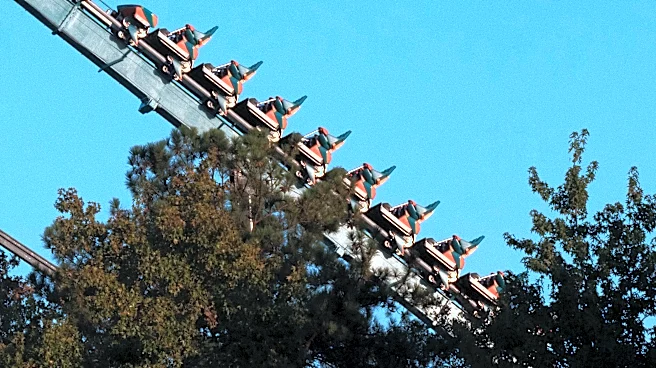




There is something curious about human nature. We don’t like to be frightened, yet we willingly pay for the experience. The thrill of a roller coaster comes from a remarkable contradiction: We sense that we are in real danger while being assured that we are perfectly safe.
Amusement parks have built an enormous industry around that contradiction. The faster the ride, the steeper the drop and the greater the sensation of danger, the more thrilling the experience. But the entire proposition depends on one essential understanding: The danger is supposed to be an illusion.
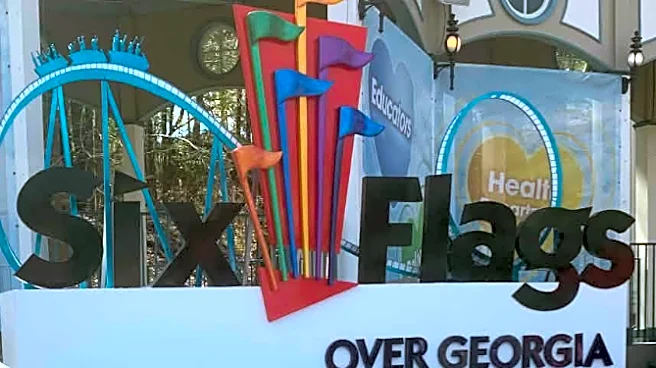
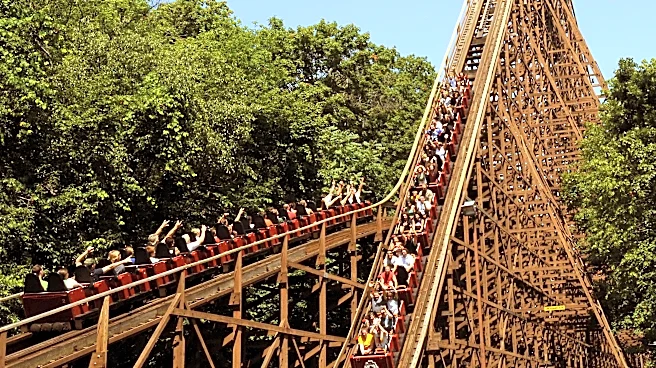
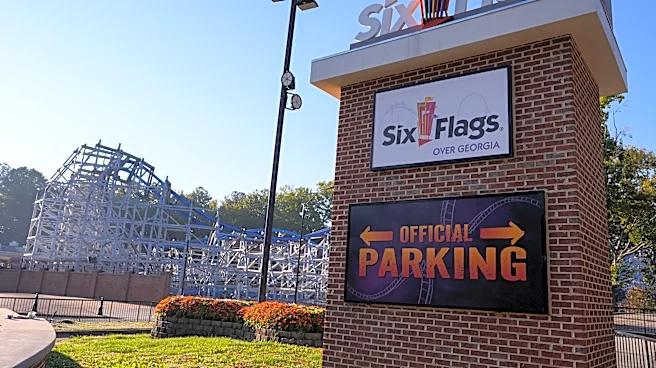
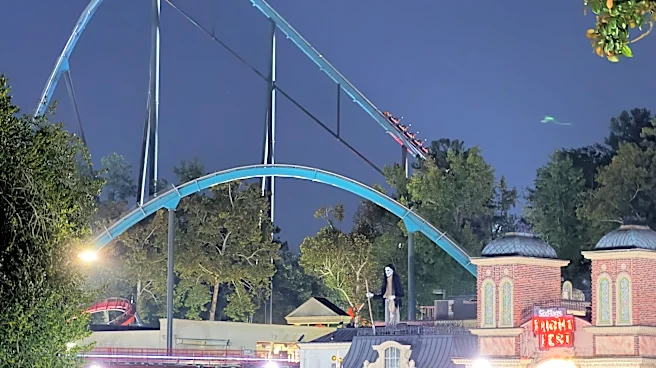
On Monday, that distinction became tragically real when a man fell to his death from a roller coaster at Six Flags Over Georgia and four other people were injured. Within hours,
Kings Island closed two of its most popular roller coasters, Orion and Diamondback.
A deadly accident raises questions at Kings Island

There are two important connections. All three roller coasters were built by the same Swiss manufacturer, Bolliger & Mabillard. And Kings Island and Six Flags Over Georgia have the same corporate owner.
Six Flags says the closures were made out of an abundance of caution. That was a responsible decision. But it raises obvious questions: What concerned the company enough to shut down two major attractions hundreds of miles from the accident? And what will it take to convince the public that those rides are safe to reopen?
The Kings Island coasters are different roller coaster models than the Georgia coaster. And sharing a manufacturer does not mean they share a safety defect. Investigators have not yet determined what caused the Georgia tragedy.
Nevertheless, closing two Kings Island attractions following an accident involving another ride from the same manufacturer raises questions that deserve answers.
For decades, amusement parks have competed to build roller coasters that are taller, faster, steeper and more thrilling than their competitors’ attractions. Kings Island has been an enthusiastic participant.
Orion features a 300-foot drop and reaches speeds of 91 miles per hour. Diamondback reaches approximately 80 miles per hour.
These are extraordinary engineering accomplishments. They are also enormously complicated machines carrying human beings at highway speeds through steep drops and sharp turns.
The industry has become remarkably successful at creating the sensation of danger. But has the competition to build ever more extreme roller coasters been matched by equally aggressive safety oversight?
Who makes sure Ohio's roller coasters are safe?

Many Americans might assume that the federal government regulates permanent roller coasters, just as it oversees commercial aviation. It does not.
The federal Consumer Product Safety Commission has jurisdiction over mobile amusement rides, but permanent rides at fixed amusement parks are largely regulated by individual states. In Ohio, that responsibility belongs to the Department of Agriculture.
Ohio generally requires at least two state inspections of roller coasters during a permit year. Park operators must also conduct daily pre-opening inspections and comply with maintenance and testing requirements. Those safeguards are important. Serious roller coaster accidents are rare relative to the millions of rides taken annually.
But there is a fundamental limitation to any inspection.
A safe roller coaster today is not necessarily safe forever.
These are high-velocity machines whose tracks, support structures, wheels, bearings and restraint systems that endure repeated mechanical stresses. Parts wear. Metal can fatigue. Components can fail. A machine that passes inspection today may develop a problem tomorrow.
That is why continuing inspection and preventive maintenance are so important. But how often should roller coasters really be inspected? Should inspection frequency depend not simply on the calendar, but on the number of times a ride operates, its age and the mechanical stresses imposed on its components?
Should a roller coaster traveling 90 miles per hour receive greater scrutiny than one operating at half that speed? Speed alone does not determine risk, but shouldn’t the engineering demands of each ride help determine its inspection requirements?
And why shouldn’t the public know when these inspections occurred?
Kings Island should show riders the safety reports
Consider what happens when a family purchases tickets to Kings Island. They may be familiar with the attractions, their speeds and their heights. But what do they know about the safety inspections of the machines they are about to board?
Why shouldn’t every roller coaster display the date of its most recent state inspection at the entrance to the ride? Better still, why not provide a QR code that allows customers to read the latest state inspection report, including any safety violations and corrective actions? The date of the most recent daily safety check could be displayed as well.
This would not guarantee that an accident could never happen. But it would give the public information at the very place where passengers decide whether to ride. And it would introduce a level of transparency appropriate for an industry whose customers place their life entirely in someone else’s hands.
The events in Georgia make that issue particularly urgent.
Before Orion and Diamondback reopen, the Ohio Department of Agriculture should conduct independent inspections of both rides, examining any equipment or design features relevant to the Georgia investigation. If the manufacturer has issued safety recommendations, those should be reviewed and the relevant findings disclosed. And when Ohio concludes the rides are safe to reopen, the public should have access to the inspection reports supporting that decision.
We should not have to rely solely on assurances from the company operating the rides.
To be clear, there is no established evidence that either Kings Island coaster has a safety defect. And we should not assume that a mechanical failure caused the Georgia death.
Kings Island deserves credit for taking precautionary action. But closing a ride is only the first step. Explaining why it was closed, what was inspected and why it is safe to reopen is equally important.
Kings Island now has an opportunity to lead the amusement park industry by making independent inspection reports readily available to its customers, not just following an accident, but throughout the operating season.
When someone straps into a roller coaster traveling 90 miles per hour, that person places extraordinary trust in the engineers who designed it, the company that maintains it and the government inspectors responsible for overseeing its safety.
That trust should be supported by more than assurances.
People willingly pay to be frightened. They do not pay to be endangered.
Amusement should be thrilling. It should never be lethal.

Dennis Doyle lives in Anderson Township and is a member of the Enquirer Board of Contributors.
This article originally appeared on Cincinnati Enquirer: Kings Island should make roller coaster inspections public | Opinion