

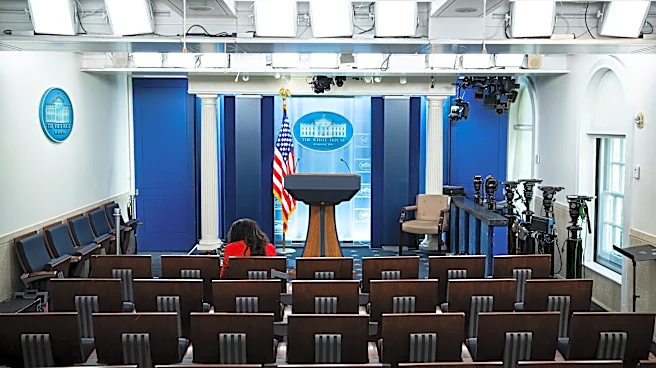
There is something revealing about a person who gets too comfortable in someone else’s house.
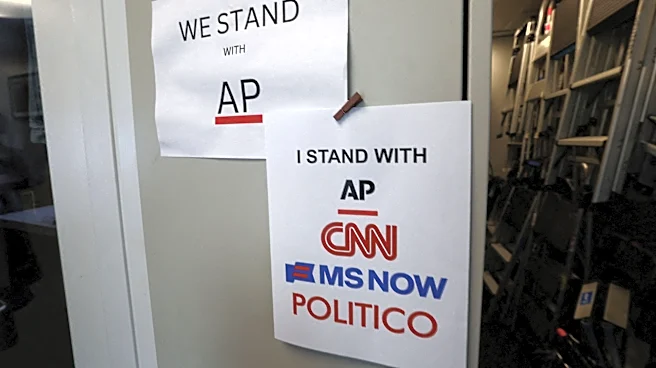
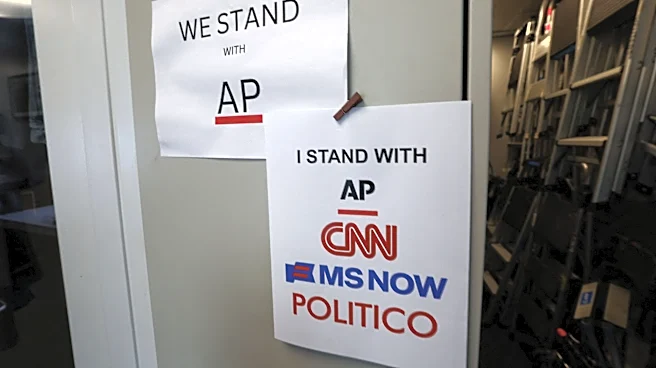
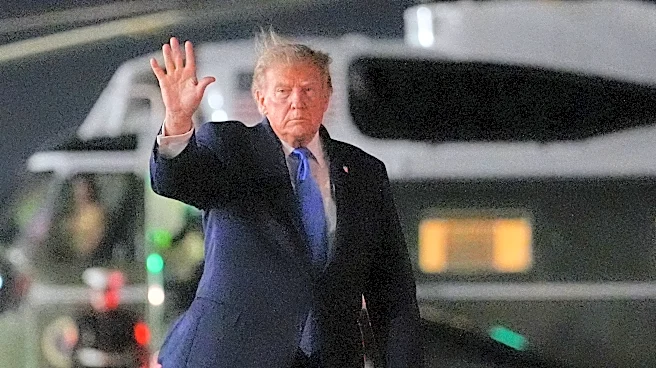
Speaking to reporters in the Oval Office on Sept. 18, President Donald Trump discussed banning CNN, MSNBC and Politico from the White House. When asked about the move, Trump said, "I don’t have to let them into my, into the people’s house."
"My" and "the people’s" are only a few words apart, but they are a world apart in meaning.
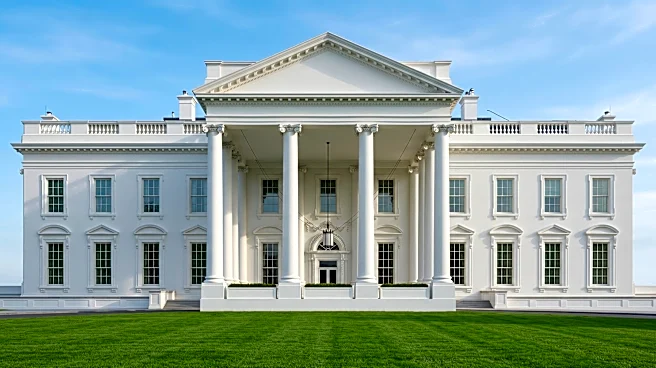
The White House is not Donald Trump’s house. It is not Joe Biden’s, Barack Obama’s, or George W. Bush’s. As the National Park Service puts it plainly: "The White House is owned by the American people." It serves as the president’s residence and workspace, but it remains a public institution held in the nation’s trust.
Every president
is, by definition, a temporary occupant. They can change the furniture, rearrange the rooms, or swap out a portrait of Franklin Roosevelt for Andrew Jackson. They can make the White House feel like home for a while. But there is a vital difference between being welcomed into a house and forgetting that you don't hold the deed.
That distinction becomes dangerous when applied to the press.
The press isn't a houseguest

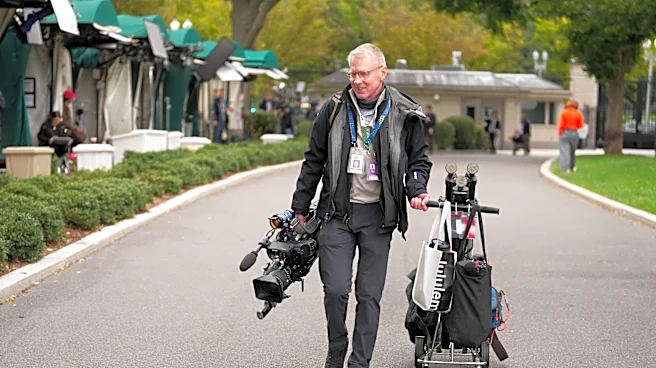
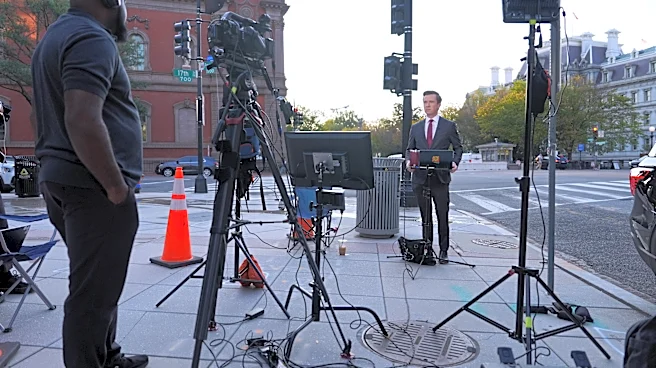
Trump’s announcement wasn't sparked by a single report or security breach, but by what he called "cumulative stories over the past few years." By the following day, journalists from CNN, MSNBC and Politico were denied entry.
When a president begins viewing the people's house as personal property, independent scrutiny looks like trespassing. But a free press is built for that exact boundary. The First Amendment doesn't guarantee every journalist a front-row seat in every room, but it does protect the public’s right to scrutinize those who exercise government power.
Journalists are not supposed to be flattering houseguests who compliment the wallpaper and ask if the host would like another cup of coffee. They ask uncomfortable questions. They report what those in power would prefer to keep behind closed doors. They allow ordinary citizens to see inside the institutions they own but cannot enter themselves. That is an extraordinary feature of American democracy − and one not every nation affords its people.
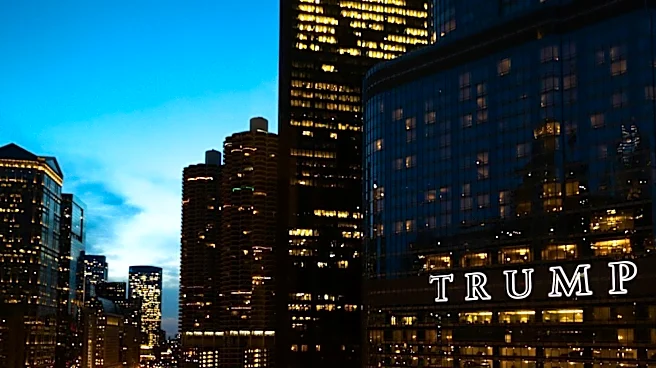
Donald Trump built a career putting his name in gold lettering on towers, casinos and golf courses. That branding makes sense for private real estate. But 1600 Pennsylvania Avenue is different. The letters on the front gate don't spell T-R-U-M-P. They spell O-U-R-S.
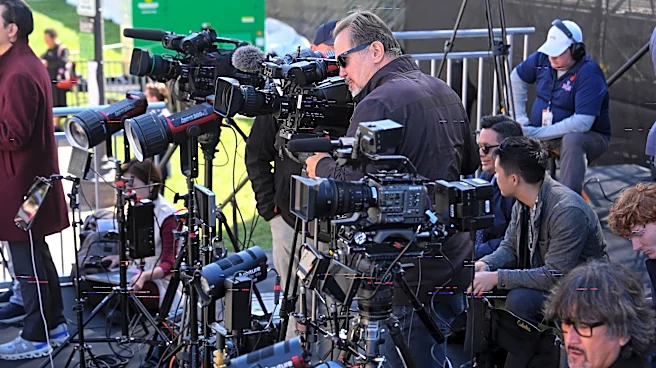
The White House Correspondents’ Association rightly emphasizes that the public has a fundamental right to an independent account of what its government is doing. A free press keeps that channel open: reporters standing outside the most powerful office in the nation, asking the occupant questions he would rather not answer.
The people hold the deed
Presidents change. Administration policies change. Decor changes. The people remain.
So, decorate the rooms. Rearrange the furniture. Build the ballroom. Swap the drapes. Stare down Andrew Jackson. But never forget whose floorboards you're standing on.
Every president receives the keys for a brief season, and every president eventually gives them back. The people stay. And the press must remain right there with them, asking questions, opening doors, checking the locks, and reminding whoever happens to be living there that power is borrowed, never owned.
So, Mr. President, with all due respect: Get your damn feet off the Resolute Desk.
You are the occupant.
We are the landlords.

Nick Anderson lives in Walnut Hills and is a member of the Enquirer Board of Contributors.
This article originally appeared on Cincinnati Enquirer: Trump has the keys. The American people own the White House | Opinion