




The Cincinnati Reds were supposed to be big sellers at the trade deadline. They wanted to do more, were expected to do more and maybe should've done more.
There still might be at least one big outcome to a really small deadline.
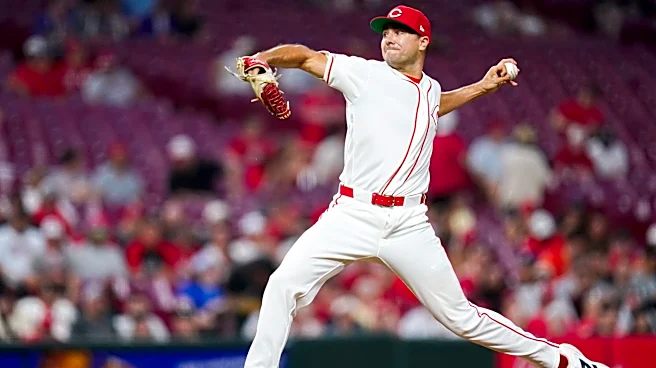
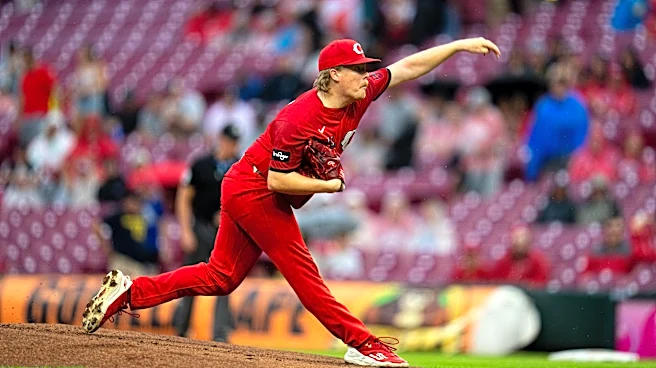
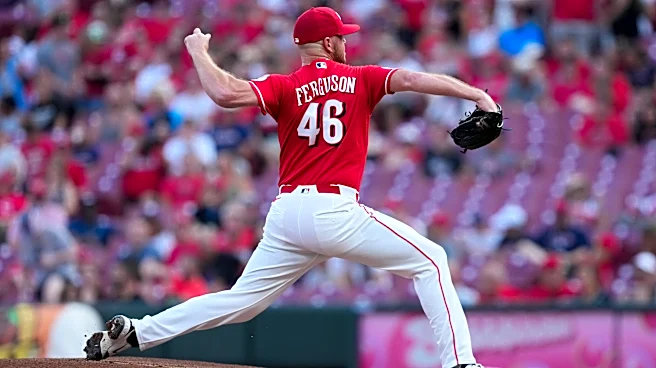
They were willing to listen to offers at the Aug. 3 deadline for previously untouchable pitcher Hunter Greene. The Reds also made the decision to keep underrated pitcher Brady Singer, who could get a qualifying offer to return for at least one more year.
That could suggest the Reds feel they have enough pitching depth to compete in 2027 and explore trading Greene after the season.
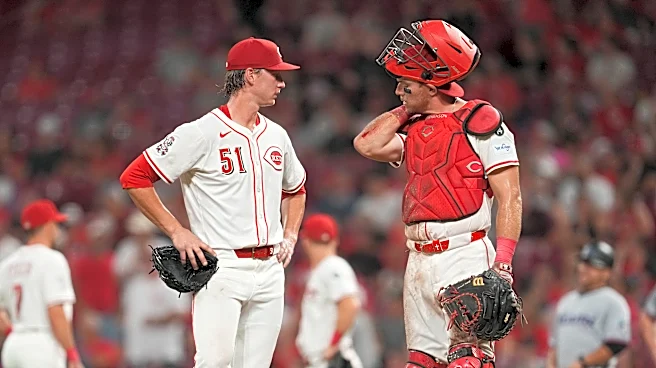
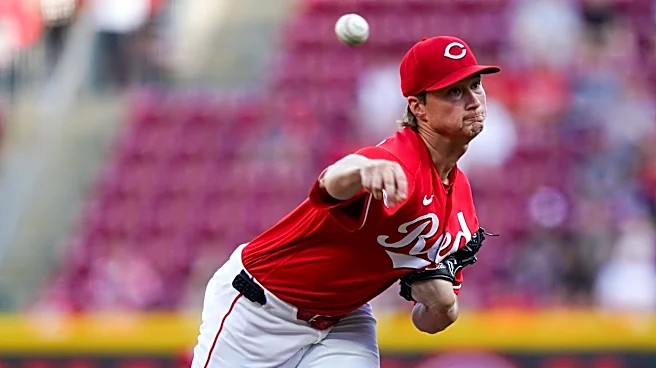
If the Reds are going to win next year, Singer is the kind of guy they need. He’s what they call a dawg. He eats innings. He pitches hurt. He’s a competitor.
He’s a pro. Singer is what the Reds need more of, a tough guy who gives them a chance to win.
He's pitched through a blister and being drilled on the foot by a line drive this season. Singer, who has a 2.70 ERA in his last 10 starts, is the only Reds starting pitcher who hasn't gone on the injured list the last two seasons.
Singer is far from a superstar, but he's everything Greene is not. Greene has yet to pitch a full season in the majors since making his ballyhooed debut in 2022.

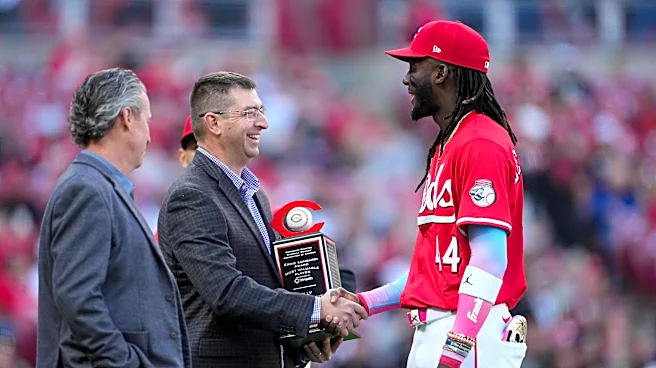
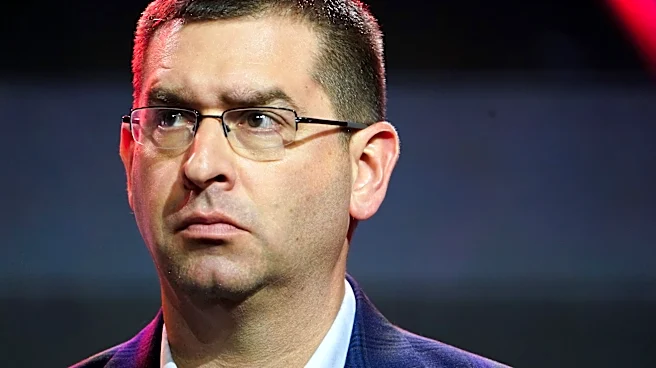
Team president Nick Krall and manager Terry Francona love Singer, because he sets an example in the clubhouse for all these young pitchers the Reds have pinned their hopes to. The Reds need more tough guys on the roster to change the lingering culture of the last regime.
Singer, who turns 31 on Aug. 4, will be a free agent after the season. But by not trading him, the Reds are expected to make Singer a one-year, qualifying offer of roughly $23 million. That’s a lot of money, sure, but the Reds have calculated that a starting rotation that includes Chase Burns, Andrew Abbott and Singer is a pretty good start to legitimately compete in 2027.
There's a good chance Singer would accept the offer in an uncertain free-agent market impacted by the likely lockout this winter. But if Singer were to decline the offer, the Reds will get a first-round compensation pick from the team that signs him. The Reds see that pick being more valuable than what teams were offering at the trade deadline.
Meanwhile, it's believed this was the first time the Reds have been open to dealing Greene, who just hasn't been able to stay on the mound.
It could be a big first step toward creating the kind of success that the Milwaukee Brewers have pulled off with similar limited resources. The Brewers know when to move top pitchers such as Cy Young Award winner Corbin Burnes, Josh Hader and Freddy Peralta and sustain a competitive window by getting strong enough returns of players ready to help the big-league club.
If Greene pitches well down the stretch, there might be an opportunity to field offers again even in an offseason of uncertainty. There could be 3-4 weeks before the likely lockout to explore trading Greene, a 2024 All-Star and two-time Opening Day starter.
It's taken a while for the front office to embrace the idea of a future without Greene. But Reds haven't consistently won with him – and Greene is no longer the future of the franchise.
Contact columnist Jason Williams at jwilliams@enquirer.com
This article originally appeared on Cincinnati Enquirer: What MLB trade deadline says about Hunter Greene's future | Williams