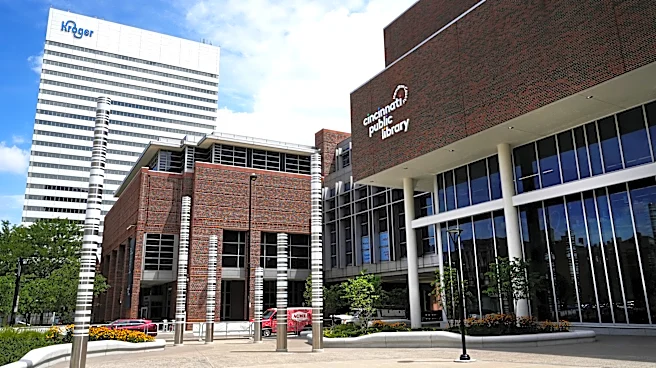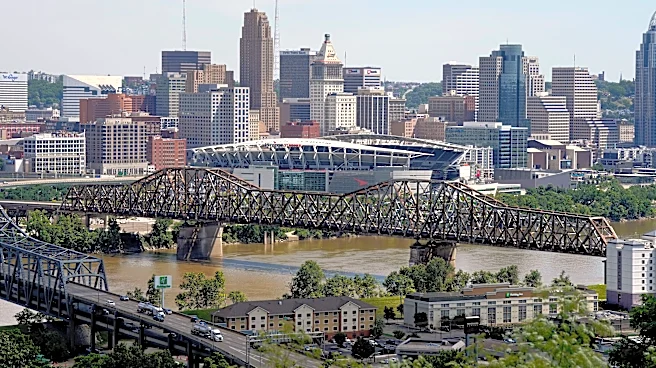





After 40 years without a dedicated plan, Cincinnati officials are preparing a new vision for Downtown.
Cincinnati Mayor Aftab Pureval and others are expected to announce a new neighborhood planning process in an press conference on Friday, Aug. 28 at 1 p.m. at the Contemporary Arts Center.
City Council member Mark Jeffreys; Gary Lindgren, head of the Cincinnati Business Committee; and Chase Mosijowsky, vice president of the Downtown Residents Council, are slated to attend.
What is a neighborhood plan?
Neighborhood plans are legal planning documents developed by the city alongside local community councils and area businesses. They are typically used as guides for development, and influence how and where the city spends money in that neighborhood.
Most recently, Cincinnati City
Council approved a neighborhood plan for Hyde Park, a process that took seven years.
City officials are expected to lay out next steps for building Downtown's neighborhood plan.
Why does Downtown need a neighborhood plan?

Downtown is in the middle of one of its biggest development cycles in years, with major investments underway from the Brent Spence companion bridge to the new $540 million Marriott convention hotel.
More people are living and visiting Downtown, too, as old office buildings continue to be converted into housing, and the newly revamped First Financial Center helps drive tourism to the urban core.The last time the city approved a neighborhood plan for Downtown was in 1986. The area has changed dramatically since then, with the revitalization of the convention center district, construction of the streetcar and the renovation of Fountain Square.
It's not yet known what will be included in Downtown's new neighborhood plan.
But The Enquirer has reported on several sites up for redevelopment that could become key parts of the plan:
- Piatt Park and the surrounding buildings around Garfield Place are slated for a makeover.
- Ten acres of land west of the convention center, reclaimed by the city during design of the Brent Spence project, could be used for housing, commercial properties or an arena.
- The Masonic Temple at 317 E. Fifth St. is a Downtown icon that may become an entertainment hub.
- In July, Hamilton County received $25 million in federal funding to cap Fort Washington Way, bridging the divide between Downtown and The Banks.
The Enquirer will update this story.
This article originally appeared on Cincinnati Enquirer: After 40 years, a new Downtown plan will direct development and growth