



Stopped trains are a regular problem in the village of Lockland, where firefighters' path to a fatal house fire was slowed by a sitting train Oct. 18.
The village of 3,500, located in the center of Hamilton County, stood at No. 2 in Hamilton County for reports of train delays over the past year, federal data shows.
In the last 12 months, the Federal Railroad Administration received 48 reports of stopped trains on railroad tracks that cut a north-south path through Lockland.
Sharonville ranked No. 1, with 268 of 576 reports coming from Hamilton County.
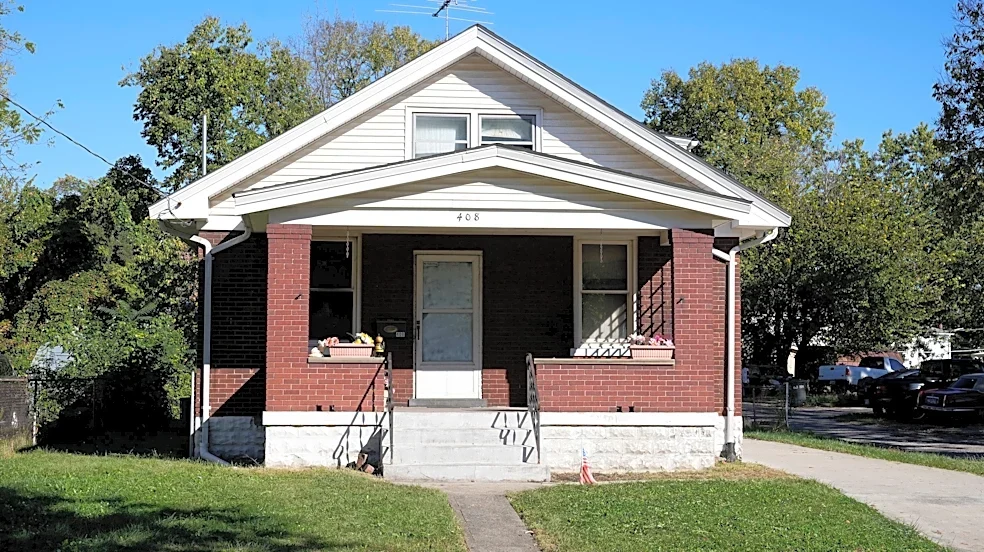
On the morning of Oct. 18, 89-year-old Marian Haefner died in a home in the 400 block of Patterson Avenue.
Firefighters from Lockland, along with ones from Reading, took between 6 1/2 and 7 minutes
to reach the home, Lockland Fire Chief Doug Wehmeyer told The Enquirer.
"Absent the train," he said, "Lockland would have arrived in 30 seconds."

Smalley Road, Wyoming most often sites of traffic stalled by stopped trains
Emergency responders and everyday citizens stuck in traffic can submit reports to the Federal Railroad Administration when trains block roads.
In Lockland in the last 12 months, the agency received reports about 31 trains blocking Smalley Road, 14 blocking Wyoming Avenue, and one each blocking Millsdale Street, Dunn Street and an unspecified industry crossing.
In one of the most recent entries, from Oct. 13, a driver reported being late to a meeting, along with "congestion and gridlock" after being stopped on Wyoming for between a half hour and an hour.
Smalley Road was blocked for "more than a day" on July 15 and 16, another entry said, reporting that pedestrians were climbing over and through stopped train cars, and that first responders were unable to cross Smalley.
"This is a daily occurrence at this site," another report said.
One person reported missing a doctor's appointment because of a stopped train. Another said his business was impacted by "these inconsiderate f-----!"
Another charged the railroad with degrading "commerce, community reputation and public safety."

'Enough's enough,' Lockland mayor says
Lockland Mayor Mark Mason told The Enquirer he sends photos and videos of people climbing through stalled trains to railroad executives and elected officials.
College students have told him professors have barred them from class after trains prevented them from getting to campus on time. Employees have told him they've lost jobs for tardiness caused by stopped trains.
"Enough's enough," he said.
Mason said he's been pushing for solutions for his entire nine years as mayor, highlighting the danger caused by stopped trains.
With the death of a local resident, he said, "The nightmare has finally come to fruition."
Asked if the woman who died on Patterson Avenue would have survived if firefighters arrived more quickly, he said: "I think she'd have had a better chance."

No federal laws pertain to blocked crossings, reporting site says
The site that collects stalled train reports reminds submitters that "there are no federal laws or regulations pertaining to blocked crossings."
"This information is only being used to track the location and impacts of blocked crossings. FRA’s purpose of collecting this information is to learn where, when, for how long, and what impacts result from blocked highway-rail grade crossings."
The agency, part of the U.S. Department of Transportation, may share reports with railroads, state and local governments and other federal authorities, according to the site. It does not confirm reports.
This article originally appeared on Cincinnati Enquirer: Lockland No. 2 in county for stalled train reports in last year