



Opposition to the Cincinnati Public Schools levy intensified this week with the launch of an ad campaign led by a former school board member and a political strategist with ties to prominent Democrats.
The campaign, which is expected toinclude direct mail, online ads and radio spots
, is a significant step for opponents who previously limited their criticism to public comments and a letter asking district officials to consider removing the levy from the Nov. 3 ballot.The ads are bankrolled by a political action committee called The Coalition for an Affordable Cincinnati, which has yet to file a campaign finance report that would reveal its donors. According to campaign records, political strategist Jay Kincaid and former school board member Ozie
Davis founded the PAC on Sept. 29.
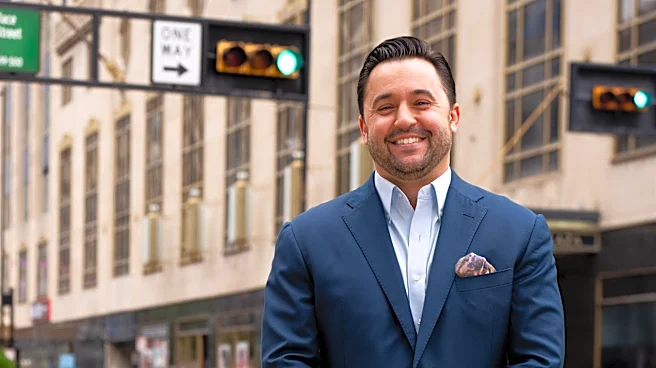
Kincaid, who has worked with former Cincinnati Mayor John Cranley and other Democratic candidates, said he opposes the levy because he does not believe district officials have made a compelling case to voters for how the money will be used and because he fears the cost of the levy to taxpayers is too great.
The schools levy is 7 mills and would cost property owners $245 per $100,000 of property value annually for five years.
"This isn't no forever. It's no for now," Kincaid said of his opposition. "Let's make sure that if we do this, if we raise taxes, we get it right."
Kincaid would not disclose the source of funding for the PAC, which is not required to file its first finance report until Oct. 22 and could wait until after the election to reveal a full list of donors. But he said the PAC has not received contributions from the Cincinnati USA Regional Chamber or the Cincinnati Business Committee, the two powerful groups that have objected to the levy going on the ballot this year.
Brendon Cull, CEO of the chamber, and Gary Lindgren, president of the CBC, recently sent a letter to CPS officials asking them to remove the levy from the ballot.
"The rushed process, the initial decision to pursue an income tax levy before flipping to a property tax, the still developing strategic plan and the lack of a broad coalition to support the plan or a levy effort are all reasons for concern," Cull and Lindgren said in the letter.
Neither Cull nor Lindgren could be reached to comment Friday, but Kincaid said the Chamber and CBC did not organize the PAC and are not leading its efforts to defeat the levy. He said he and Davis, who had previously criticized the decision to put the levy on the ballot, decided on their own to launch the PAC and the anti-levy ad campaign.
Although he would not disclose the PAC's donors, he said financial support is strong enough to run "a well-funded campaign."
"It's a robust budget," Kincaid said.
Davis, who served on the CPS board from 2018 to 2020, has been critical of the levy for months, arguing that the cost to taxpayers is too high. "Families are already struggling to make ends meet, and a 20 percent tax increase will only make it harder," Davis said in an emailed statement. "I worry about what that means for our students, because when families struggle, it's our kids who'll pay the price."
Although he could not immediately be reached for additional comment, Davis said in a Facebook post that he is not being paid to serve as treasurer of the PAC but is "being paid to consult the campaign." He provided no other details about his compensation.
Davis, who has supported previous school levies and is a board member of the Cincinnati chapter of Parents for Public Schools, faced criticism online from levy supporters this week as the PAC's ad campaign and Davis' role in it became public.
"As much as he says he's for kids, it's disappointing to see him out there campaigning against the children of this city," said Julie Sellers, president of the Cincinnati Federation of Teachers.
Sellers and others who support the levy described the creation of the PAC as a significant escalation in the anti-levy campaign. She said the letter from the Chamber and the CBC suggests wealthy business interests in the city want to dictate how public education works and whether it is properly funded. She said she believes those interests are funding the anti-levy PAC.
"People of this city are not supportive of Fourth Street billionaires making decisions about how our schools are run," Sellers said.
Lindgren, who leads the CBC, is a board member of IDEA Public Schools, a national network of charter schools. Levy supporters have argued that increased state spending on charter schools is one of the reasons public schools face growing financial challenges.
Ohio taxpayers last year provided about $1.2 billion in subsidies to private charter and religious schools through the state's voucher program, which has expanded significantly in the past few years. Taxpayer funding of private schools in Ohio is about five times greater today than a decade ago.
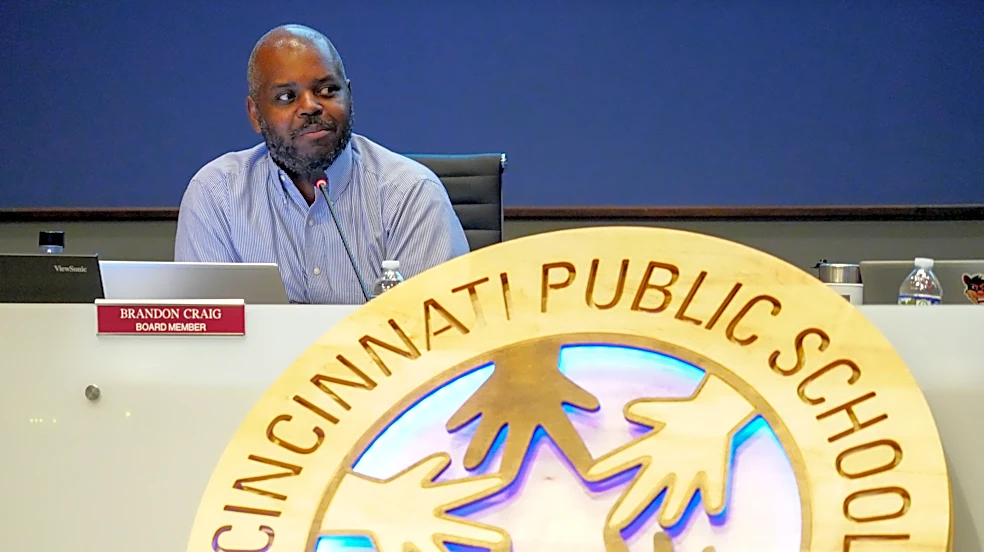
In response to the letter from the Chamber and the CBC, Cincinnati School Board President Brandon Craig said the financial challenges confronting the district are serious. Without the levy, he said, the district will be limited to providing the absolute necessities without investing in improving student outcomes or modernizing school buildings.
The anti-levy campaign focuses on the cost to taxpayers, who fund schools through property taxes. An early proposal for the levy recommended seeking an income tax instead, but the school board reversed course after the union and others objected to taxing income.
The PAC's first radio began airing in Cincinnati this week, featuring Davis raising concerns about the potential for higher costs for residents.
"That's more pressure on families, and it's our kids who will pay the price," Davis said in the ad. "We just can't afford it."
This article originally appeared on Cincinnati Enquirer: New ads attack Cincinnati Public Schools levy. Who's paying for them?