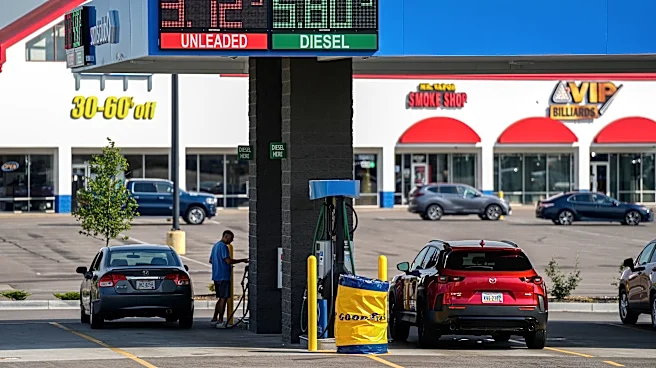




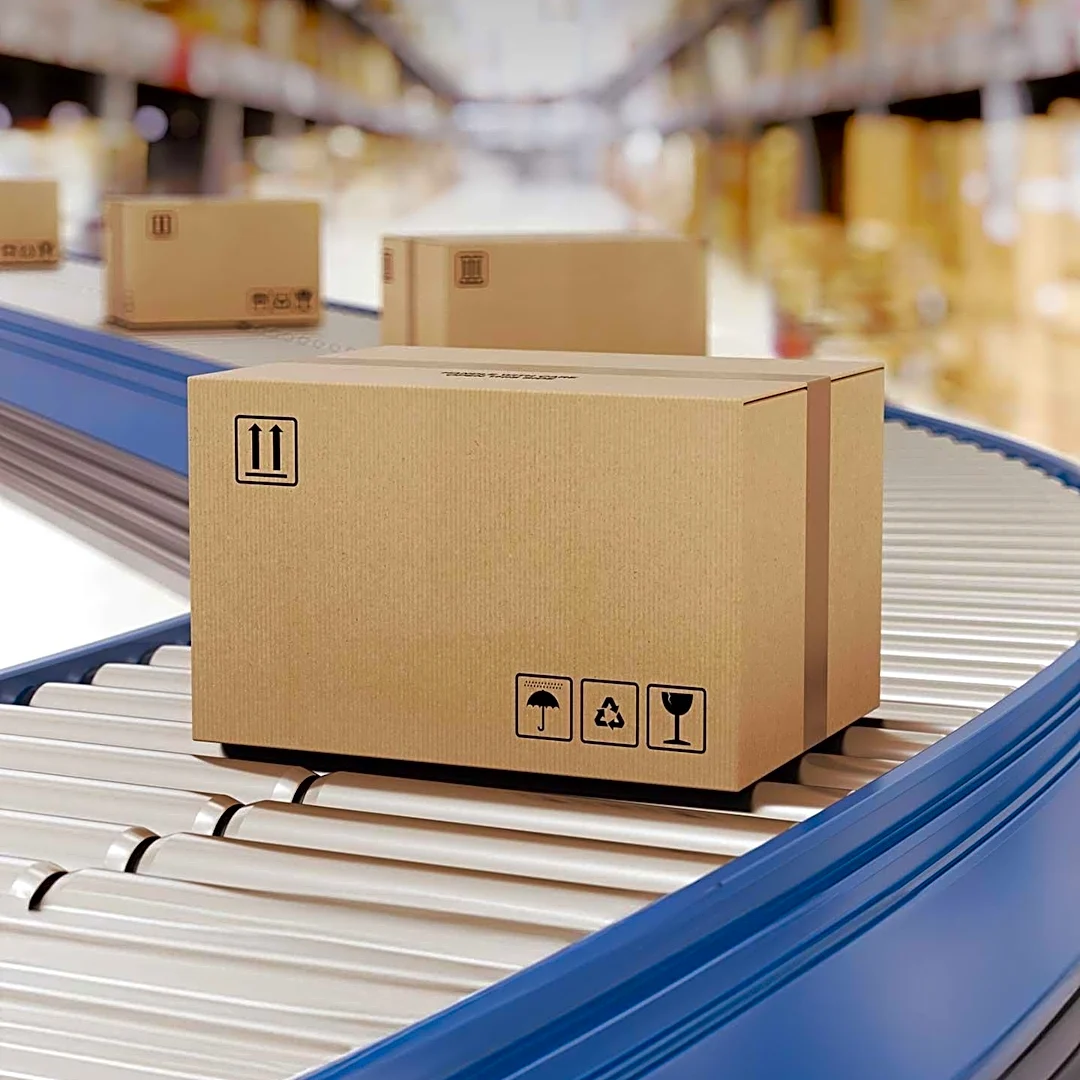





Most people associate fuel taxes with their daily commute, but what many don’t realize is that diesel powers the economy. Nearly all freight in the U.S. is moved on a truck or train – both run on diesel. When diesel prices rise, the effects ripple through the entire supply chain.
Governor DeWine recently signed into law a 90-day suspension of the state gasoline and diesel tax. This will, of course, have an immediate impact on everyone who lives in the state, but it could also come with an unexpected economic upside.
Other states have taken steps to address rising fuel costs, but most have stopped short of providing broad relief. Georgia enacted a 30-day fuel tax suspension, and Alabama, Arkansas, Indiana, Missouri, Utah and Texas enacted exemptions
tied to diesel for agricultural equipment. Ohio's 90-day suspension of its 47-cent-per-gallon diesel tax stands as the most meaningful.
Ohio's highways could become a magnet for fuel stops

Ohio is a crucial American crossroads; the state has over a billion tons of freight pass through it annually, driven heavily by the major corridors of I-70 and I-75.
For carriers operating across multiple states, fuel stops are strategic business decisions. A 47-cent-per-gallon tax savings represents roughly a 7% discount on diesel and can translate to about $100 in savings on a 200-gallon fill-up. At a time when transportation providers are facing higher operating costs, capacity constraints and increased regulatory pressure, those savings matter.
The 90-day duration was also a strategic choice as we head into peak holiday shipping. Halloween, Thanksgiving and of course Christmas represent major drivers of freight; volumes are typically up 15-20% compared to the rest of the year. For a state that serves as a key crossroads for goods moving across the country, the timing helps maximize both the economic impact and the competitive advantage of the tax suspension.
Ohio's position as a logistics leader was not built overnight. Decades of investment in highways, rail networks, river transportation, logistics infrastructure, third-party logistics providers and a skilled workforce have made the state a critical link in the movement of goods across North America. The diesel tax suspension builds on that foundation.
At a time when supply chains remain under pressure and every transportation dollar matters, Ohio is making a statement. Supporting the efficient movement of goods is not simply a transportation policy. It is an economic development strategy.
Kerry Byrne is the Co-CEO of Total Quality Logistics (TQL).
This article originally appeared on Cincinnati Enquirer: Ohio's gas tax holiday isn't just about saving at the pump | Opinion