
Enquirer Opinion Editor Kevin Aldridge recently stepped into the batter’s box to make the case for investing in children, framing two proposed Hamilton County levies around a compelling question: What
are our children worth?
It’s a question worth asking. But it risks putting two very different tax proposals under the same umbrella − and suggesting that a vote against either one somehow places a lesser value on children.
It doesn’t.
Two levies, two different cases

The Hamilton County Children’s Services levy and the Cincinnati Public Schools levy should stand or fall on their own merits. Both involve children. Both ask property owners to pay more. But the reasons for the additional money − and the questions taxpayers should ask before providing it − are quite different.
Children’s Services is asking voters to approve a four-year, 5.61-mill levy to continue funding a system responsible for protecting abused and neglected children. These are not optional programs. Ohio law requires the county to investigate allegations of abuse and neglect and to provide care for children who cannot safely remain at home.
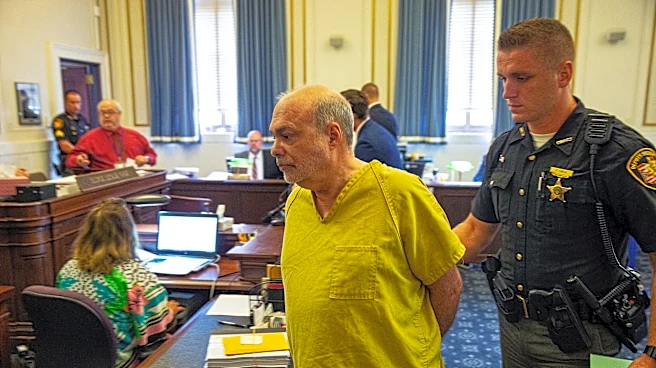
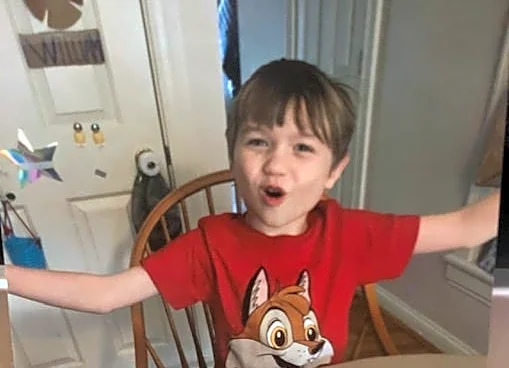
The recent death of 7-year-old William Evans-Ellis is a horrifying reminder of why that responsibility matters. His mother and two other adults have been charged with aggravated murder and other offenses.
Whatever the criminal proceedings ultimately establish, William’s death underscores the stakes. Children who may be living in dangerous homes need an agency with the people, resources and authority to investigate quickly and intervene when necessary.
The county says the cost of doing that job has risen dramatically, particularly because of foster-care placement costs and the increasing needs of children requiring specialized care. It has already cut approximately $36 million by reducing or eliminating nonmandated programs.
If those numbers withstand scrutiny, the Children’s Services levy should be a no-brainer. The county has identified the obligation, identified the increased cost and explained what happens if the money isn’t available.
CPS has a vision. Where's the spending plan?

Cincinnati Public Schools presents taxpayers with a different proposition.
CPS is asking voters to approve a five-year, 7-mill property-tax levy expected to generate approximately $66 million annually. This is new, incremental revenue − about $330 million over five years − on top of the funding CPS already receives. For the owner of a $100,000 home, it would mean approximately $245 a year in additional property taxes.
But when taxpayers are being asked to provide $330 million in new money, they are entitled to know what they are buying. What, specifically, will CPS do with the additional money, and what measurable improvements should taxpayers expect in return?
We already know some of the problems that need to be fixed. CPS received only 2.5 stars out of five on its latest Ohio report card. Achievement received two stars. Early literacy received two. Progress received two. Gap closing received two. Graduation received two.
There is progress that deserves recognition. The graduation rate increased to 85.7%, college and career readiness improved substantially, and the district reported growth in 16 of 20 tested areas. But the problems remain formidable.
Start with attendance.
An independent analysis of state and federal data put CPS chronic absenteeism at an average of approximately 47% during the 2022-25 period, compared with approximately 26% statewide.
Nearly half of CPS students are chronically absent. That doesn’t mean nearly half are absent on any given day. It means nearly half miss at least 10% of the school year.
That may be the district’s most fundamental problem. We can debate curriculum, class size, reading programs, technology and how much money reaches the classroom. But none of them can educate a child who isn’t there.
CPS has now begun to answer the broader question of where it wants to go. This week, the district unveiled the framework of a new strategic plan intended to guide CPS toward 2030. It identifies four broad priorities, including stronger classroom instruction, preparing students for life after graduation, making students safe and ready to learn, and improving district operations and the allocation of resources. The board has not yet approved the plan, and implementation details are still being developed.
Those are aspirations. But aspirations are not a spending plan.
Connect the money to the results

CPS is asking taxpayers for approximately $330 million in new revenue over five years. Voters should be able to draw a straight line from those additional dollars to specific initiatives and measurable results.
Take chronic absenteeism. If nearly half of CPS students are chronically absent, what is the goal? Is it 40%? 35%? By when? What will CPS spend to get there, and how will taxpayers know whether it worked?
Academic performance presents the same questions.
How will another $66 million a year improve reading and math? How much will reach classrooms? Which existing programs are working and deserve expansion? Which aren’t? And what measurable results should taxpayers expect after five years and approximately $330 million in additional revenue?
These numbers don’t automatically make the case against additional funding. They make the case for connecting the money to a plan.
That issue isn’t new. During the levy deliberations, board member Ben Lindy questioned asking voters for additional money before the strategic plan was finished, describing the proposal at that stage as “not fully baked.” The unveiling of the new strategic plan begins to answer that concern. Now CPS needs to take the next step.
Connect the new dollars to specific priorities. Establish measurable targets for attendance, reading, math and graduation. Tell voters where CPS expects those numbers to be in five years. Then, report publicly each year on whether the district is getting there.
Aldridge’s question − what are our children worth? − has an easy answer: a great deal. The harder question is whether each institution asking taxpayers for additional money has demonstrated what it needs the money for and what it intends to accomplish with it.
Children’s Services has made a compelling case that additional funding is necessary to continue protecting vulnerable children. CPS has now given taxpayers a vision. Before November, it needs to show them how $330 million in new money will turn that vision into measurable results.
And November’s voters should judge each levy on its own merits.

Dennis Doyle lives in Anderson Township and is a member of the Enquirer Board of Contributors.
This article originally appeared on Cincinnati Enquirer: Our children are worth it. But CPS still must make its case | Opinion