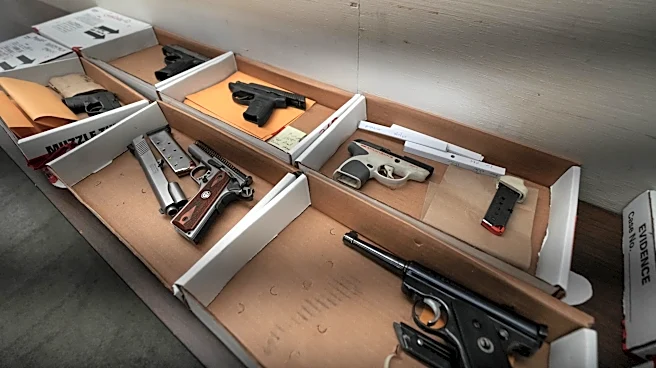









After a USA TODAY Network Ohio investigation found that 1 in 3 people who used a gun to kill a current or once intimate partner statewide last year were legally prohibited under state or federal law from owning a firearm, people working in domestic violence prevention and in the statehouse responded.
The findings show that laws meant to keep guns out of the hands of convicted offenders, as well as abusers under protection orders, often do little to prevent domestic or intimate partner violence from escalating to homicide.
Here's what domestic violence prevention advocates and one Ohio lawmaker had to say about the findings:
YWCA of Greater Cincinnati responds
"This troubling finding, coupled with rising
domestic violence incidents in our community, underscores the urgent need for stronger enforcement of existing laws, greater accountability, earlier intervention and access to emergency shelter and safe housing for those fleeing violence.
"We cannot accept these tragedies as inevitable. Preventing domestic violence requires a collective commitment from law enforcement, policymakers, community organizations and all of us to recognize warning signs, protect survivors, hold offenders accountable and ensure that emergency shelter and stable housing are available to help survivors rebuild their lives in safety."
State Sen. Kyle Koehler, R-Springfield, responds
"Law Abiding citizens have a 2nd Amendment right to “bear arms” that “shall not be infringed”. Being convicted of a felony comes with a possible loss of your freedom (jail) and the loss of your 2nd Amendment rights. That is a choice a criminal makes when they choose to violate Federal Laws. Repeatedly allowing a criminal back on the street when they are repeatedly found with a firearm is dangerous for citizens and reflects on law-abiding gun owners who are exercising their 2nd Amendment right in a legal and safe manner."
Kristin Shrimplin, Women Helping Women, responds
"Our agency remains very concerned about increasing intimate partner violence/domestic violence committed against survivors and their children. Month after month, we are serving more survivors and providing more services. A snapshot of September internal data shows that our services to survivors have spiked by 32% (Sept 2026 compared to Sept 2025).
"Strangulation is a significant indicator of future intimate partner violence/DV homicide. The more strangulation we can prevent in this region, it stands to reason the better chance our region has to reduce the risk of DV homicide. The same with gun violence."
This article originally appeared on Cincinnati Enquirer: Advocates, lawmaker respond to investigation of illegally armed abusers