



There is never a good time to ask taxpayers to dig deeper into their pockets. But there are times when the cost of not doing so is too great. This is one of those times.
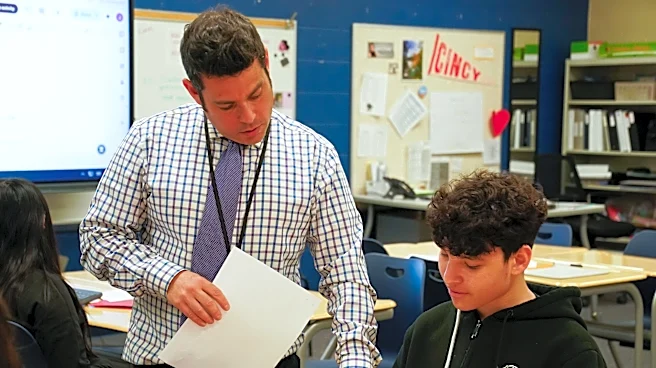
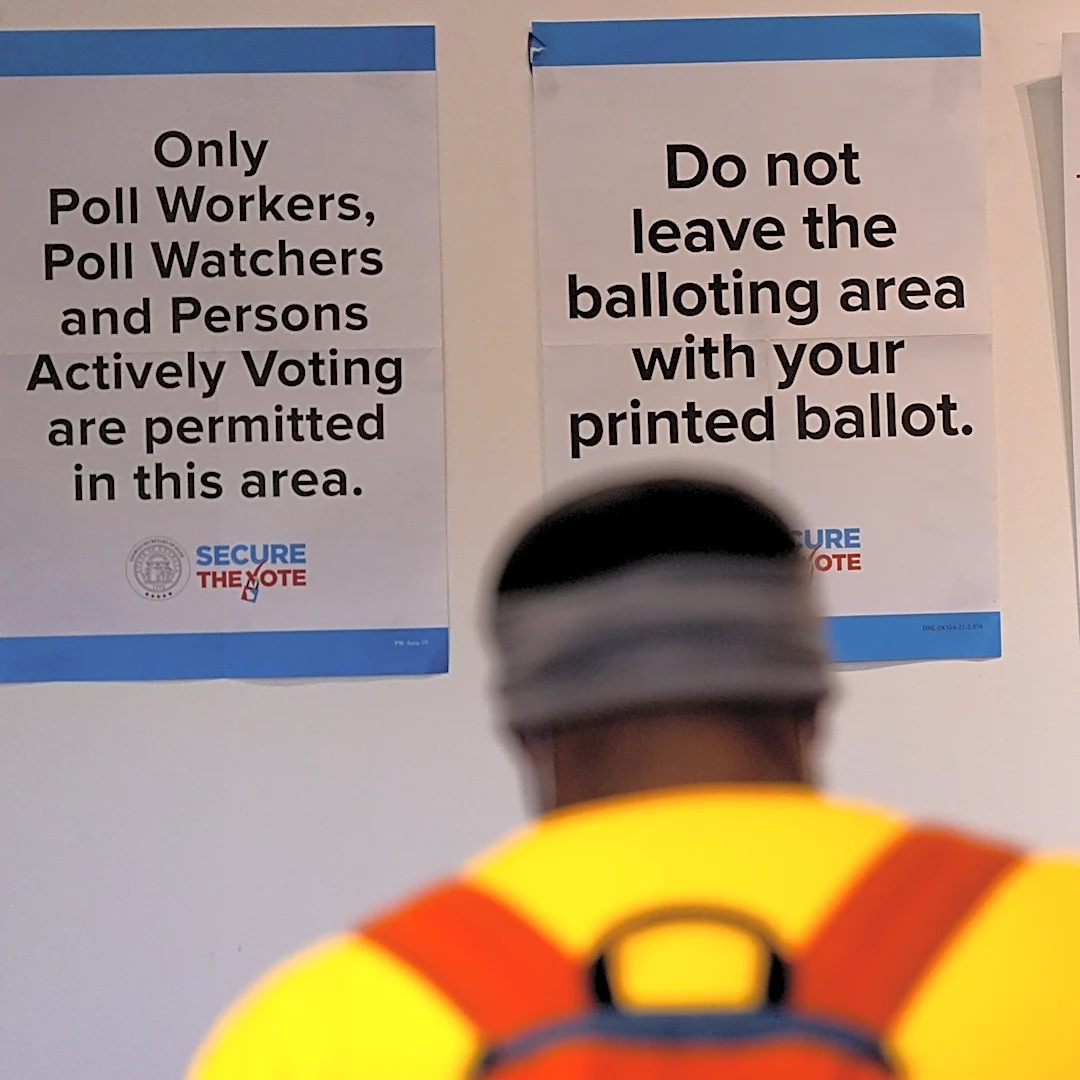
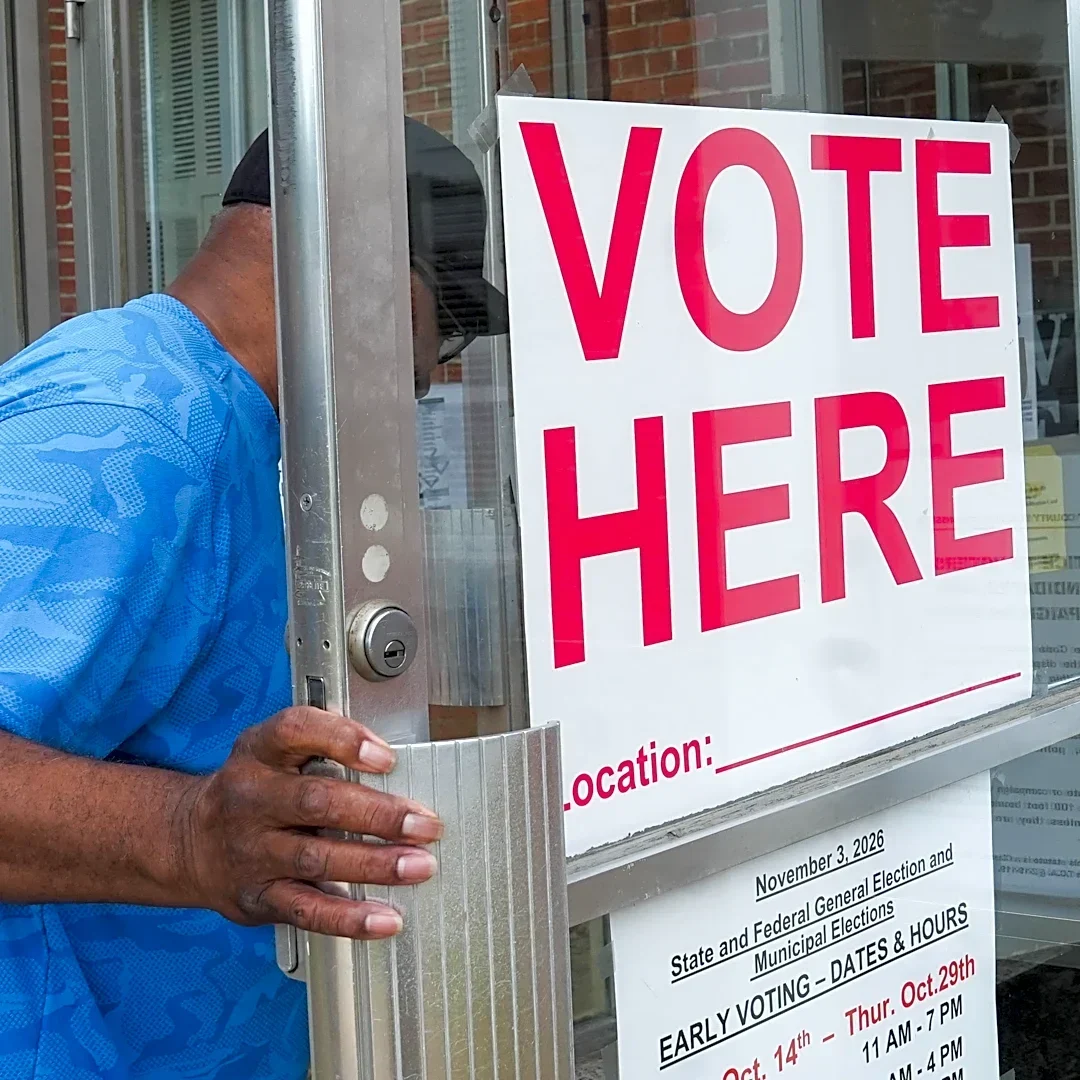
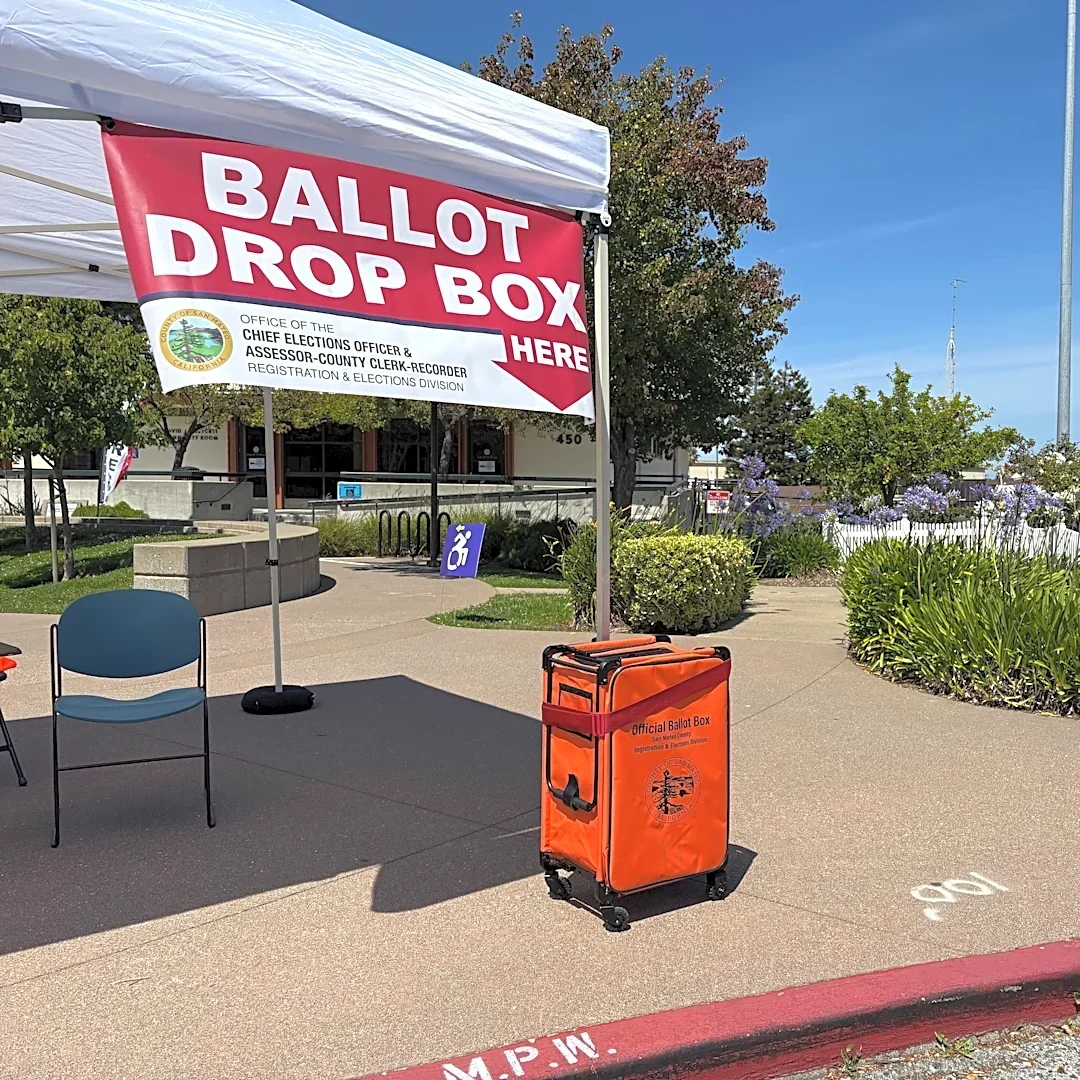
Cincinnati Public Schools is asking voters to approve a five-year, 7-mill levy on Nov. 3 that would generate approximately $66.3 million annually to support more than 34,000 students.
This is a new-money levy. It would cost the owner of a home valued at Cincinnati’s median value of $225,000 about $551 annually, or $46 a month. If the levy fails, homeowners’ taxes would remain unchanged by this measure, and CPS would receive no additional revenue from it.
But there would be consequences.
Without
new funding, CPS faces difficult decisions that could include school consolidations, larger classes, staff layoffs, reduced transportation, cuts to athletics and extracurricular activities, and fewer educational programs.
That’s a steep price for children to pay.
Still, the financial burden on taxpayers cannot be dismissed. Families are already squeezed by higher grocery bills, gas prices, rents, utilities and property taxes. For seniors on fixed incomes and residents struggling to stay in their homes, another tax increase is no small matter.
Their concerns are legitimate. But so is the future of our children. And after weighing what’s at stake, the editorial board believes the choice is clear.
Cincinnati voters should say yes to the CPS levy.
CPS has shown taxpayers that progress is possible

For years, residents have complained about CPS asking for money without producing the academic results they expect. Many have said they need to see improvement before opening their wallets again.
Well, CPS has something to show them.
The district earned three out of five stars on its latest Ohio school report card, improving from 2.5 stars. Its Progress rating jumped from two to four stars, while its Gap Closing rating increased from two to three stars. Achievement improved in 15 tested areas, and students with disabilities demonstrated particularly strong growth in mathematics.
Those aren’t insignificant gains.
CPS still has serious challenges. Its one-star graduation rating is troubling, and chronic absenteeism remains far too high. But even there, the district reduced absenteeism from 70% to 58.5%.
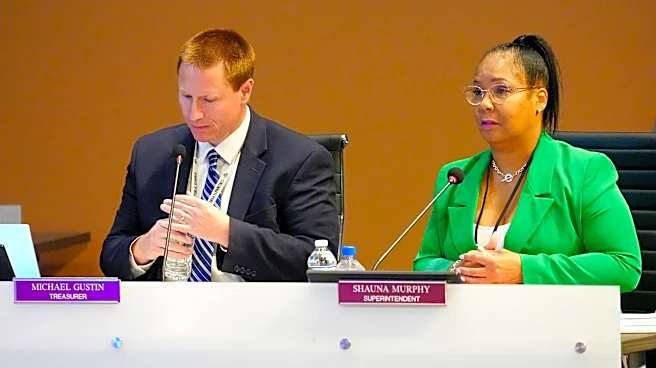
Superintendent Shauna Murphy acknowledges more work remains. Voters should demand continued improvement.
But progress matters. And when taxpayers say they want better results before investing more, they ought to acknowledge those results when they come.
CPS isn’t a failing district. It’s an improving one.
And for those who insist it isn’t good enough to deserve additional funding, I have a question: How exactly do you expect a school district to get better by taking away the resources it needs to improve?
CPS has made the cuts. Now the state must do its part.

Before asking taxpayers for more money, school districts have an obligation to demonstrate responsible stewardship of the money they already receive. CPS has made a compelling case.
The district has cut approximately $125 million over three budget cycles, including closing a nearly $58 million gap this year. It has eliminated positions, implemented furloughs, tightened hiring and spending, and consolidated or repurposed schools.
Those are painful decisions. And while CPS has worked to protect classroom instruction, there’s only so much left to cut without hurting students.
CPS has gone 10 years without asking voters for new operating money. That’s hardly the behavior of a district running to taxpayers whenever it encounters financial difficulty.
Yet CPS projects an $89 million cash deficit by fiscal 2030 without additional recurring revenue or further cuts.
Ohio lawmakers deserve substantial blame.
Nearly three decades after the Ohio Supreme Court declared the state’s school funding system unconstitutional, lawmakers still haven’t delivered a sustainable solution. State funding decisions continue putting pressure on districts, while changes to property tax laws create additional uncertainty.
It’s a vicious cycle. The state fails to adequately fund schools. Districts turn to property owners. Taxpayers grow frustrated. And schools get blamed for asking residents to pay more.
This must change.
And if lawmakers continue refusing to fix the system, voters should remember that when those officials seek reelection.
Saying no won’t make CPS’s challenges disappear

Consider what CPS is being asked to accomplish.
Its students and families speak 89 languages. Thousands face housing instability. The challenges are so significant that CPS opened a Safe Sleep Lot for families living in vehicles.
Think about that. Children who may not know where they’ll sleep at night are expected to show up at school the next morning ready to learn.
Unlike selective private schools, CPS must educate every child who comes through its doors, regardless of ability, disability or economic circumstances. That responsibility doesn’t disappear when the budget gets tight. Neither should our commitment to those children.
And consider the potential consequences of rejecting the levy.
For some students, school transportation is the difference between attending regularly and missing class. For others, sports, band, or extracurricular activities are what keep them engaged.
In a district already battling chronic absenteeism, eliminating those opportunities makes little sense. Pay-to-play might be an inconvenience for some families. For others, it means no play at all.
We cannot demand better attendance and graduation rates while stripping away the tools that help students succeed.
Strong schools also attract families, strengthen property values and produce the educated workforce businesses need. When we fail to invest in children, communities pay through lost opportunities and greater demands on social services.
It’s a familiar proposition: Pay now or pay later.
We'd rather invest in our children today than pay the price of failing them tomorrow.
Cincinnati’s children are worth the investment

Approving this levy won’t solve every problem confronting CPS.
Murphy and her team must continue improving academics, attendance and graduation rates while demonstrating responsible stewardship of taxpayer dollars. Public support isn’t a blank check. It comes with expectations of transparency, accountability and results.
But CPS has made difficult cuts, delivered measurable academic progress and waited a decade before returning to voters for new money. That deserves consideration. And, in our view, it has earned our support.
We understand why some taxpayers will hesitate. We share their frustration with a state funding system that keeps putting local communities in this position.
But voting no won’t fix that system. It will only make an already difficult situation worse for Cincinnati’s children. We should hold state lawmakers accountable for their failures without making students pay the price.
Cincinnati has a choice on Nov. 3. We can build on the progress our schools have made, or risk sending them backward.
Our children are worth more than the cost of this levy. And the cost of failing them is one Cincinnati cannot afford.
Vote yes on the CPS levy.
Opinion and Engagement Editor Kevin S. Aldridge writes this on behalf of The Enquirer's editorial board, which includes Editor Beryl Love and Senior News Director of Content Jackie Borchardt. Editorials are fact-based assessments of issues that are important to the communities we serve. These are not the opinions of our reporting staff members, who strive for neutrality in their reporting.
This article originally appeared on Cincinnati Enquirer: Cincinnati's schools are improving. Don't turn back now | Editorial