








Most people look forward to the extra hour of sleep that comes when we change the clocks at the end of daylight saving time. Their pets, however, may have other plans.
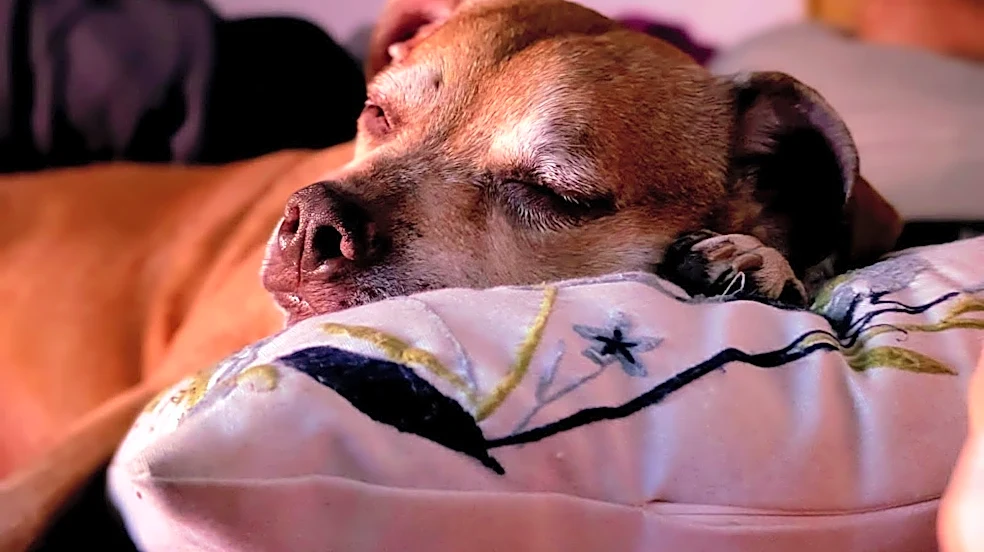
Most Americans will soon set their clocks back one hour. Humans may welcome the supposed extra hour of rest, but dogs and cats don't know the clocks have changed. Pets are creatures of habit. They rely on routines such as feeding times, walks, sleep schedules and other daily cues. When those routines suddenly shift by an hour, some pets notice right away.
Before you reset your clocks, here's what pet owners should know about helping their dogs and cats adjust.
When does the time change for the end of daylight saving time in 2026?
Daylight saving time ends at 2 a.m. on Nov. 1, the earliest possible date for the annual time change.
Why some pets struggle with daylight saving time

Some pets may have trouble
adjusting to the time change. Dogs, for example, often follow predictable routines for waking up, taking walks, eating meals and going to bed. When the schedule is disrupted, it can lead to your furry friend getting confused or anxious, according to the American Kennel Club.
Suddenly moving our clocks in the fall can unsettle and confuse pets. Some pets may even become anxious, seek more attention than usual, experience digestive issues or have bathroom accidents.
Cats are also driven by routine. After the time shift, some owners may notice their cats meowing for breakfast an hour early or becoming more active at unusual times, according to Community Animal Hospitals.
How to help your pets adjust when clocks fall back, spring forward
Here are a few ways to help your pets adjust to the time change, according to MetLife Pet Insurance:
- Gradually shift feeding times over the several days before the time change. Moving mealtimes by about 10 minutes per day can make the transition easier.
- Expect your pet to ask for food, walks or attention according to the old schedule. Be patient as your pet adjusts.
- Watch for signs of stress, including pacing, scratching, loss of appetite or increased clinginess.
Debate over changing clocks for the end of daylight saving time isn't over

While pet owners prepare their dogs and cats for the annual time change, lawmakers in Washington are still debating whether Americans should keep changing their clocks at all.
Unless Congress acts before Nov. 1, Ohioans will turn their clocks back one hour when daylight saving time ends. If lawmakers eventually make daylight saving time permanent, Ohio would get later winter sunsets, but winter sunrises would also occur nearly an hour later.
The bill has passed the U.S. House but remains pending in the Senate. According to the 2026 legislative calendar, the Senate is out of session until Nov. 6, and the House won't reconvene until Nov. 9.
How Ohio's sunrises and sunsets would shift under permanent daylight saving time

Permanent daylight saving time would have little effect in summer because Ohio already observes daylight saving time from March to November.
On the date of the summer solstice, sunrises would range from 5:53 a.m. in Akron to 6:12 a.m. in Cincinnati, while sunsets would occur between 9:02 p.m. and 9:07 p.m.
The biggest change would come in winter, when both sunrise and sunset would shift one hour later. On the day of the winter solstice, sunrise would occur as late as 8:47 a.m. in Akron, 8:50 a.m. in Columbus and 8:53 a.m. in Cincinnati, while sunsets would move to 6 p.m., 6:10 p.m. and 6:18 p.m., respectively.
Permanent daylight saving time wouldn't create additional daylight. Instead, it would shift an hour of winter daylight from the morning into the evening.
This article originally appeared on Cincinnati Enquirer: When does the time change? Why end of daylight saving time may affect pets