







How low will we go?
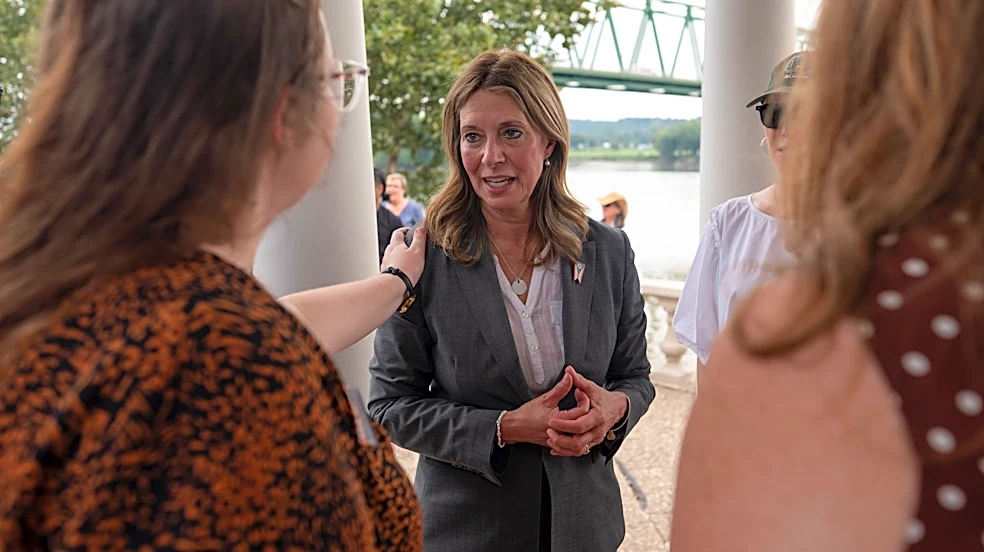
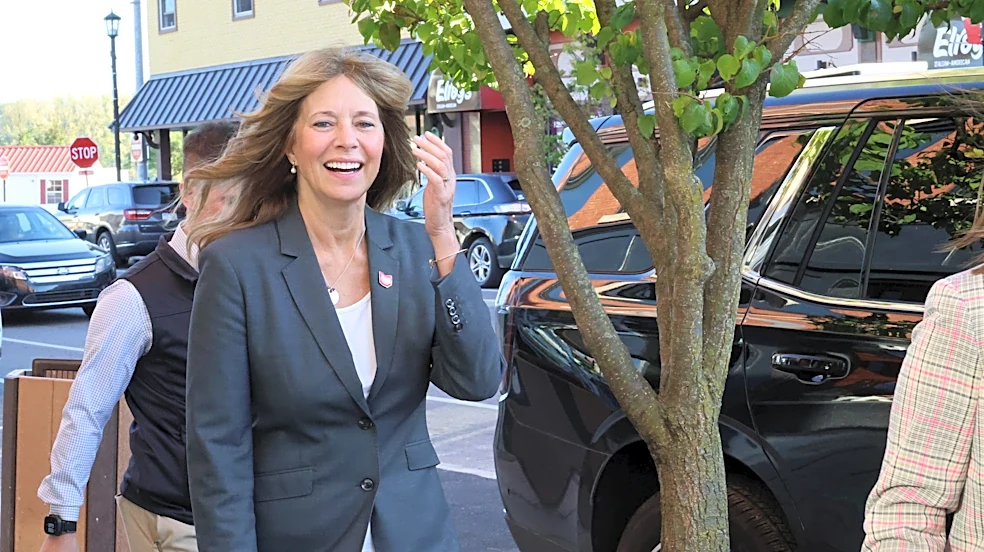
An ad attacking Amy Acton, the Democratic candidate for Ohio governor, features her estranged mother accusing Acton of lying about her childhood and urging Ohioans to vote against her.
Acton’s brother responded that their stepfather raped Acton when she was 12, that authorities removed the children from their mother’s custody, and that their mother remained with him. Court records supplied by Acton’s campaign confirm that her stepfather was charged with raping her.
So this is where we are in American politics. To defend her qualifications for public office, Acton is being forced to revisit childhood sexual abuse and publicly answer her estranged mother.
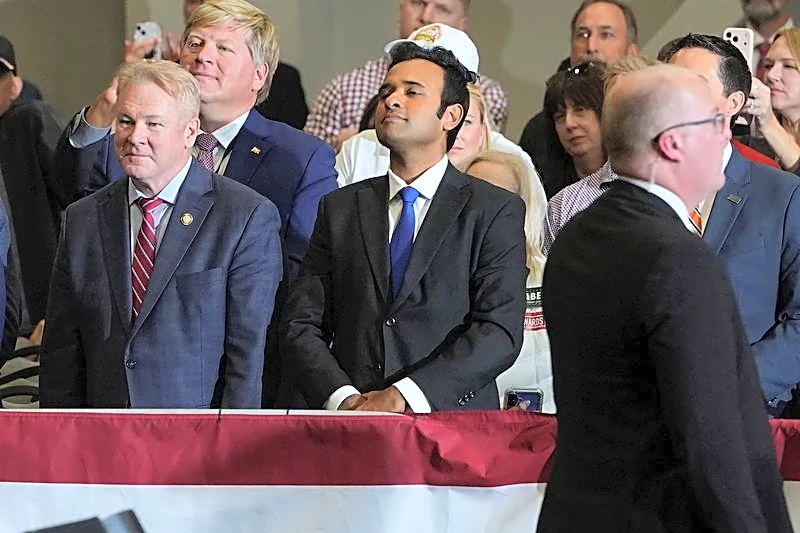
Ramaswamy confirms his campaign produced the ad

After
being mute for days about whether this was an Ad he authorized, Vivek Ramaswamy has now acknowledged that the ad came from his campaign. And is standing behind it, notwithstanding that there are court records substantiating it.
We need to ask what this decision tells us about the man who wants to govern Ohio.
His campaign’s response to the controversy included calling Acton a “serial fabulist.” It uses her mother’s accusations to argue that Acton cannot be trusted.
Consider what that requires voters to do: judge a woman’s fitness for office by sorting through the accusations of a mother from whose custody she was removed as an abused child.
What useful judgment about governing Ohio are we supposed to reach through that ordeal?
Acton’s public record is open to scrutiny. Her decisions as Ohio’s health director, her pandemic response, her policy proposals and her statements as a candidate are all legitimate subjects for tough questioning. Ramaswamy has every right to challenge them.
What should be off-limits in political campaigns?

We have become accustomed to campaigns built around making the other candidate unacceptable. Two years ago, according to the Wesleyan Media Project, 66% of broadcast television ad airings in Ohio’s Senate race between Sept. 1 and Oct. 6 were attacks. Both sides participated.
But the prevalence of attack advertising helps explain how campaigns can lose their bearings. Each attack must break through the noise created by the last. A painful family history becomes another opportunity to command attention.
The assumption is that this works. Yet a major review of research found that negative campaigning was more memorable without establishing that it consistently won votes. It also found erosion of trust in government.
A campaign reveals how a candidate exercises power before receiving the greater powers of public office. It shows what he authorizes, whose judgment he accepts, and what harm he considers permissible in pursuit of his ambitions.
Ramaswamy putting Acton’s estranged mother before a camera to dismiss Acton’s account of her childhood as lies − despite court records documenting a charge and indictment for raping her − crosses a line that voters should be able to recognize.
Ramaswamy wants Ohioans to judge Acton’s character by listening to her estranged mother deny her child’s rape, which is a matter of court record. His decision to make this ad tells us something about him.

Dennis Doyle lives in Anderson Township and is a member of the Enquirer Board of Contributors.
This article originally appeared on Cincinnati Enquirer: Ramaswamy campaign ad raises questions about political ethics | Opinion